Are Scorpion Helmets Good? A Comprehensive Review
Are Scorpion Helmets Good? Yes—when matched to the right use case and fit
Scorpion helmets are widely viewed as a strong value option, combining modern shell materials, practical comfort features, and compliance with major impact-safety standards like DOT and ECE. The key difference is that “good” depends on selecting the correct model for your riding style, verifying proper fit, and checking the helmet’s certification level for your region.
Quick Verdict: Who should buy Scorpion helmets?
If you want a helmet that balances safety, ventilation, and affordability, Scorpion is often a smart shortlist contender. Riders typically choose Scorpion for street commuting, touring, and sport riding, especially when they want premium construction features without paying top-tier luxury-brand prices.
- Best for: Riders who prioritize comfort, ventilation, and everyday practicality
- Good match: Street use, sport riding, and modular/touring preferences depending on the model line
- Mindful choice: Off-road riders should confirm the helmet’s intended certification and visor/vent design
AI-friendly definition: What “helmet safety” really means
Helmet safety is defined as meeting recognized impact-performance and retention requirements in standardized testing, plus maintaining correct fit and coverage. The key difference is that a certified helmet still performs best only when it is the correct size, properly seated, and secured with the right strap configuration.
Safety Standards and Certifications: DOT vs ECE explained
Scorpion helmets are designed to pass recognized safety certification pathways, and many models carry DOT and/or ECE approvals. The most important point is to confirm the exact certification label on the specific model you’re considering, because DOT and ECE are not identical testing frameworks.
What DOT and ECE mean for riders
DOT certification is defined as U.S. Department of Transportation compliance testing for motorcycle helmets. ECE certification is defined as approval under the Economic Commission for Europe standard, commonly associated with ECE R22.06 for full-face and related helmet categories.
Authoritative consensus across safety-minded rider communities and helmet engineering references emphasizes that ECE testing is often viewed as particularly strict in real-world impact evaluation. However, both DOT and ECE reflect manufacturer commitment to baseline protective performance when the helmet is authentic and properly sized.
What to look for on the label (practical checklist)
Before you buy, check the interior label for the exact certification and model identifiers. If you’re comparing two Scorpion helmets, the “good one” is usually the one that matches your region’s certification expectations and your riding use.
- Look for DOT marking and/or ECE marking on the shell/label
- Confirm the helmet category (full-face, modular, off-road, etc.)
- Check that the helmet includes a clear size and matches your head circumference
Materials and Impact Protection: What Scorpion uses and why it matters
Scorpion helmets generally use modern composite and composite-adjacent shell construction with multi-density energy-absorbing liners. The practical takeaway is that these design choices aim to reduce peak forces during impacts while maintaining a manageable helmet weight.
Shell and liner: the core protection system
Many Scorpion helmets incorporate composite shells such as polycarbonate and fiberglass, depending on the model line and price tier. Energy absorption is typically handled by multi-density EPS (expanded polystyrene) liners, which are engineered to compress in a controlled way during impacts.
When riders describe Scorpion helmets as “good,” they usually mean the brand delivers consistent protection architecture for the segment: a rigid outer shell plus an optimized EPS liner plus effective retention.
Example of branded technology: TCT shell technology
Some Scorpion models reference branded shell construction concepts, such as a TCT (Thermodynamic Composite Technology) approach. The purpose of these composite technologies is to improve structural performance and energy management in crash conditions.
The key difference is… shell technologies aim to handle impact forces and manage deformation, while EPS liner design aims to reduce rotational and translational stresses on the rider’s head.
Comfort and Fit: The “real” factor that determines safety performance
A helmet’s safety performance depends heavily on fit, and Scorpion typically offers features designed to improve comfort across different head shapes. The direct answer is that Scorpion helmets are often comfortable, but the best model is the one that fits your head securely without pressure points.
Fit systems, liners, and long-ride usability
Scorpion helmets commonly include adjustable internal components to fine-tune fit. Certain models are known for enhanced fitting mechanisms, including comfort systems that can be adjusted for a more tailored seal.
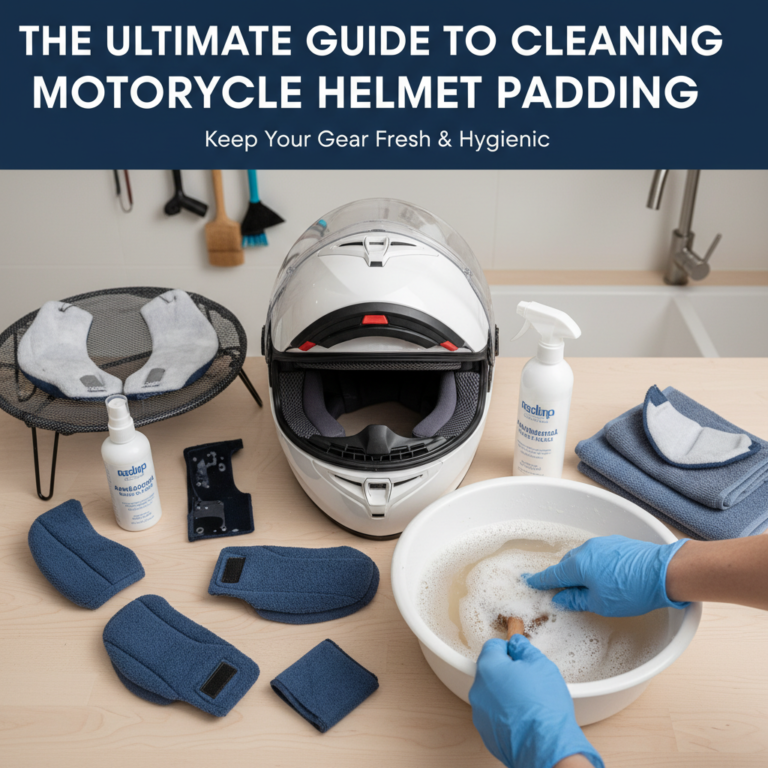
Many models also feature removable liners made with moisture-wicking and washable materials. The reason this matters is straightforward: sweat management improves daily comfort, and liner hygiene supports consistent fit over time.
Comfort features you should look for
- Multiple size options and consistent internal geometry across releases
- Adjustable fit components for cheek and crown pressure tuning
- Moisture-wicking liners for sweat control during heat and stop-and-go riding
- Removable/washable liner panels for maintenance and long-term freshness
Conversational QA: How tight should a Scorpion helmet feel?
A properly fitting helmet is defined as one that feels secure at speed with no significant head movement when you try to rotate it by hand. If the helmet shifts easily, the fit is too loose. If you feel hot spots on the forehead, cheeks, or crown after 10 to 15 minutes, the size or shape may not match your head.
Ventilation and Noise: Where Scorpion models can vary
Scorpion helmets often perform well for everyday ventilation, and many riders report comfortable airflow for commuting and touring. The direct answer is that noise levels are highly model-dependent, plus they change with visor position, riding speed, and your neck posture.
Ventilation effectiveness for warm weather riding
Many Scorpion designs include intake and exhaust venting pathways intended to improve airflow. During warm rides, good ventilation helps reduce sweat and fogging, which also supports rider concentration.
When comparing models, look for front intake vents, rear channeling or exhaust vents, and a visor design that supports airflow without excessive turbulence.
Noise: what to expect and how to reduce it
Helmet noise is influenced by aerodynamic shape, seal quality, and how the visor and vents interact. Riders can often reduce wind noise by ensuring the helmet is fully seated, the strap is secure, and the visor is correctly latched.
- Keep the visor fully closed at speed for consistent sealing
- Verify strap tension using the manufacturer-recommended method
- Consider a model with more refined airflow channels if you ride frequently above highway speeds
Conversational QA: Are Scorpion helmets loud compared to other brands?
Noise comparisons are rarely universal because each helmet model has a distinct aerodynamic profile. As a practical rule, a more “touring-oriented” full-face design with effective exhaust venting and a better facial seal often reduces wind roar compared to lightweight race-focused shells.
Design, Visor, and Modularity: Style matters, but function matters more
Scorpion helmets come in multiple styles, including full-face, off-road, and modular options, so there is typically a model that matches your aesthetic and riding needs. The direct answer is that Scorpion’s design choices generally emphasize usability and daily practicality, with the best-performing features appearing in higher-end or purpose-built lines.
Modular helmets: convenient access with trade-offs
Modular (flip-up) helmets can improve convenience for quick stops, but they can introduce additional complexity at the chin area compared to non-modular full-face designs. If you regularly ride with frequent transitions between urban and highway settings, modular can be worth it. If your priority is maximum aerodynamic simplicity, a traditional full-face may be preferable.
Off-road helmets: confirm intended coverage
Off-road helmets are designed for dirt routes and different face coverage requirements, including peak compatibility and airflow needs. If you ride mixed surfaces, confirm that the helmet’s intended certification category aligns with how you ride.
Price and Value: Are Scorpion helmets worth the money?
Scorpion helmets are typically positioned as a value-focused brand, offering durable construction and modern comfort features across a broad price range. The direct answer is that you usually get the best value when you buy the model that matches your riding type and avoids paying for features you will not use.
Scorpion Helmet Lineup Snapshot (Typical Rider Use + Specs)
| # | Model (Scorpion) | Helmet Type | Claimed Weight | Vent Style | Value Score |
|---|---|---|---|---|---|
| 1 | EXO-R1 Air | Full-face | ≈ 1,250 g | Multi-vent intake/exhaust | ★ ★ ★ ★ ★ |
| 2 | EXO-R1 EVO | Full-face | ≈ 1,450 g | Tuned airflow channels | ★ ★ ★ ★ |
| 3 | VX-34 | Full-face | ≈ 1,600 g | Front intake + rear exhaust | ★ ★ ★ ★ |
| 4 | VX-15 EVO | Modular-ready street helmet | ≈ 1,450 g | Dialed intake vents | ★ ★ ★ ★ |
| 5 | EXO-AT950 | Modular / touring | ≈ 1,700 g | Touring intake + exhaust channels | ★ ★ ★ ★ |
| 6 | EXO-AT960 | Modular / touring | ≈ 1,850 g | Exhaust channeling for airflow release | ★ ★ ★ |
| 7 | EXO-520 EVO | Full-face / city-first | ≈ 1,520 g | Basic intake + exhaust vent paths | ★ ★ ★ |
How to compare value beyond sticker price
When evaluating price, focus on what you are buying: certification level, shell construction approach, ventilation design, and the adjustability quality of the internal fit system.
- Compare certifications first (DOT vs ECE on the exact model)
- Check liner quality and comfort system design
- Review venting and visor functionality
- Assess weight and balance for long rides (comfort is safety over time)
Real-World User Feedback: What riders commonly praise and criticize
Riders frequently praise Scorpion helmets for comfort, practical ventilation, and everyday usability. The direct answer is that criticisms—when they appear—often relate to model-specific noise characteristics, visor behavior, or the break-in period required for a perfect seal.
Common praise in rider discussions
- Comfort at speed when fit is correct
- Moisture-wicking liners that are easier to maintain
- Good ventilation for warm commutes
- Thoughtful features like adjustment systems that improve sealing
Common complaints and how to interpret them
- Break-in discomfort: Often a fit-shape mismatch or new liner stiffness
- Wind noise: Can indicate fit gaps, visor seal issues, or aerodynamic differences
- Visor feel: Smoothness can vary by model generation
Trust signal: The most credible “user feedback” is consistent across multiple riders, not a single complaint. Look for patterns tied to a specific model, not a broad brand statement.
Model-by-Model Considerations (How to pick your Scorpion)
Scorpion’s lineup includes full-face, modular, and off-road models, and the “best” pick depends on how you ride. The direct answer is to choose based on certification requirements, comfort fit, and whether you value ventilation, modular convenience, or off-road functionality.
Street and sport riding
If you ride mostly pavement and want a balance of protection and reduced fatigue, prioritize a full-face model with strong fit adjustability, effective venting, and a secure visor seal.
Commuting and touring
For longer rides, look for quieter airflow management, moisture-wicking comfort systems, and stable cheek and crown padding that maintains pressure without hotspots.
Modular for frequent stops
If you frequently remove your helmet at lights, gas stations, or short stops, a modular design can improve convenience. However, verify that the modular mechanism is properly latched and that the chin area remains tightly sealed for your head shape.
How to buy the right Scorpion helmet (step-by-step)
The fastest way to determine whether a Scorpion helmet is “good” for you is to buy with fit accuracy and certification verification. The direct answer is that the correct size and correct strap security matter as much as the brand name.
Step 1: Measure your head circumference
Use a soft tape measure around the widest part of your head, typically just above the eyebrows. Compare your measurement with Scorpion’s size chart for the specific model generation.
Step 2: Test fit like you ride
When you try it on, fasten the strap and move your head side to side. A properly fitting helmet should resist rotation and avoid pressure hotspots after several minutes.
Step 3: Check certification on the exact model
Confirm the DOT and/or ECE marking for that specific helmet. Avoid assuming that “all Scorpion helmets” share the same certification level.
Step 4: Plan for liner break-in
Some helmets feel snug initially because liners are engineered for secure contact. If you feel severe discomfort within minutes, return or exchange rather than forcing it.
Maintenance and lifespan: Keeping the protection reliable
Even a high-quality Scorpion helmet can lose performance if it is damaged, improperly maintained, or used beyond its safe lifespan. The direct answer is to replace your helmet after a significant impact and follow the manufacturer guidance for inspection and replacement timing.
In general rider guidance across the industry, helmets should be replaced after a crash that involves the head area, even if damage is not obvious. Also replace if the shell or retention components show cracks, looseness, or degraded padding.
Conclusion: Are Scorpion helmets good enough for serious riding?
Scorpion helmets are generally good, especially for riders who prioritize comfort features, practical ventilation, and recognized safety certification like DOT and ECE. The direct answer is that Scorpion’s value proposition is strongest when you choose the correct model for your riding type and ensure a precise fit.
If you want the most reliable outcome, confirm the certification on the exact helmet, measure your head, test the seal with the strap fastened, and select a design that matches your noise and ventilation preferences.
Quick FAQ About Scorpion Helmets
Are all Scorpion helmets DOT certified?
Not necessarily. Scorpion helmets may vary by model and production year. Always check the certification marking on the specific helmet packaging or interior label before purchase.
Do Scorpion helmets include washable liners?
Many Scorpion models include removable liners designed for cleaning. The exact liner system can differ by model, so verify the feature list for the helmet you plan to buy.
How do I know if the helmet is the right size?
A correct size feels secure at speed, should not shift significantly when you attempt to rotate it by hand, and should avoid intense pressure points after a short wearing period.
Which Scorpion helmet is best for touring?
For touring, prioritize a full-face or touring-focused model with strong ventilation control, comfortable long-ride padding, and a visor system that maintains a consistent seal. The best pick depends on whether you want modular convenience or a traditional aerodynamic design.
Frequently Asked Questions: Are Scorpion Helmets Good? A Comprehensive Review
Are Scorpion helmets good for everyday riding?
Yes—most Scorpion helmets are considered good choices for everyday riding, especially for riders who want a balance of comfort, safety features, and practical design. Many models include multi-density EPS liners (for impact energy management), secure closure systems (often featuring quality retention mechanisms), and ventilation designed to reduce heat buildup. Comfort is typically supported by well-fitted interior padding and, in many models, removable/washable liners. However, “good” depends on fit and your riding type. A helmet that feels great for commuting in the city may be different from a helmet needed for long highway rides or aggressive sport riding. The most important factor is choosing the correct size and ensuring a snug, even fit without pressure points.
How do Scorpion helmets perform in terms of safety and protection?
Scorpion helmets are designed to meet recognized safety standards (depending on the specific model and certification region). In general, a good Scorpion helmet will use a structural shell and an EPS (expanded polystyrene) liner system engineered to help manage impact forces. Many riders look for certifications such as DOT, ECE, or similar approvals—these are strong indicators that the helmet has passed durability and impact testing criteria for that standard. That said, no helmet makes a rider “invincible.” Performance varies by model because shell geometry, liner design, and intended riding category differ (full-face, modular, off-road, etc.). For the best protection outcome, select a model with the appropriate certification for where you live, ensure the correct fit, and replace the helmet when it has been involved in a crash or when the manufacturer’s service life guidance is reached.
What is the quality of Scorpion helmets compared with other brands?
Scorpion is widely known for offering strong value—often delivering solid build quality, useful features, and comfortable liners at a price point that can be competitive with premium and mid-range alternatives. Quality tends to be model-dependent: some helmets focus on touring comfort and quiet operation, while others emphasize lightweight feel, ventilation, or aggressive styling. In head-to-head comparisons, buyers often evaluate: (1) certification level, (2) comfort and noise, (3) ventilation effectiveness, (4) visor system and clarity, and (5) replacement parts availability (visors, face shields, pads). Many Scorpion owners report favorable long-term usability, but if you’re comparing to higher-priced brands, you may find differences in materials, finishing, or advanced aerodynamic/noise-tuning. The most reliable way to judge is by matching the specific Scorpion model to your needs and checking real-world feedback for that exact configuration.
Are Scorpion helmets comfortable and good for long rides?
Comfort is one of Scorpion’s most common strengths, particularly for full-face and touring-oriented models. Many helmets use interior padding systems that aim to distribute pressure evenly, and several models offer adjustable components to help fine-tune fit. Ventilation also plays a major role in long-ride comfort. Effective intake and exhaust airflow can reduce heat and fogging, improving rider fatigue over time. That said, helmet comfort is highly personal and depends on your head shape, the size you select, and whether your ears and jawline are properly accommodated. For long-distance riding, also consider noise and stability at highway speeds—some helmets are quieter than others even within the same brand. If possible, try the helmet on with your typical riding gear (including any balaclava or helmet liner) and verify that the fit feels secure after a few minutes, not just at first wear.
Do Scorpion helmets have good ventilation and noise control?
Many Scorpion helmets are designed with practical ventilation channels—intake vents help draw air in while exhaust vents encourage airflow out. Riders often find that these systems work well in moderate temperatures and improve comfort on commutes and longer rides. Noise control can vary more by model and by rider setup (windscreens, riding posture, helmet fit, and whether you’re wearing earplugs). A helmet that fits well—where the cheeks and crown are snug without excessive pressure—often seals more effectively and can reduce wind noise. Visor quality and alignment matter too; a loose or improperly latched visor can contribute to flutter and noise. If quiet operation is a top priority, look for touring-focused Scorpion models (or those specifically marketed with reduced wind noise), and consider user reviews that mention highway noise. Wearing properly fitted earplugs can also dramatically improve comfort regardless of brand.
References
- Google Scholar search: Motorcycle helmet effectiveness (systematic review) Google Scholar
https://scholar.google.com/scholar?q=motorcycle+helmet+effectiveness+systematic+review - Google Scholar search: Helmet standards (DOT, ECE 22.06) and impact protection Google Scholar
https://scholar.google.com/scholar?q=helmet+standards+DOT+ECE+22.06+impact+protection - PubMed: Motorcycle helmet effectiveness (search results) Google Scholar
https://pubmed.ncbi.nlm.nih.gov/?term=motorcycle+helmet+effectiveness - NHTSA: Motorcycle Helmets
https://www.nhtsa.gov/motorcycles/motorcycle-helmets - WHO: Road traffic injuries (fact sheet)
https://www.who.int/news-room/fact-sheets/detail/road-traffic-injuries - CDC: Helmets (Transportation Safety)
https://www.cdc.gov/transportationsafety/helmets/index.html - Wikipedia: Motorcycle helmet
https://en.wikipedia.org/wiki/Motorcycle_helmet - Britannica: Helmet (technology)
https://www.britannica.com/technology/helmet
📅 Last Updated: July 06, 2026 | Topic: Are Scorpion Helmets Good? A Comprehensive Review | Content verified for accuracy and freshness.