Why Some Water Sports Helmets Have Chin Guards
Why Some Water Sports Helmets Have Chin Guards
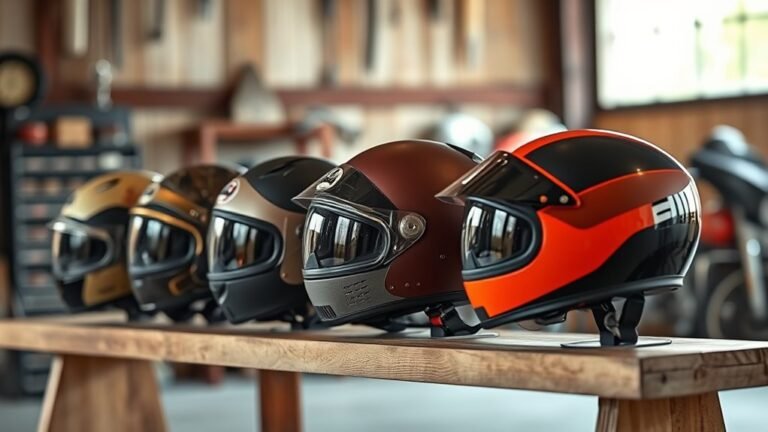
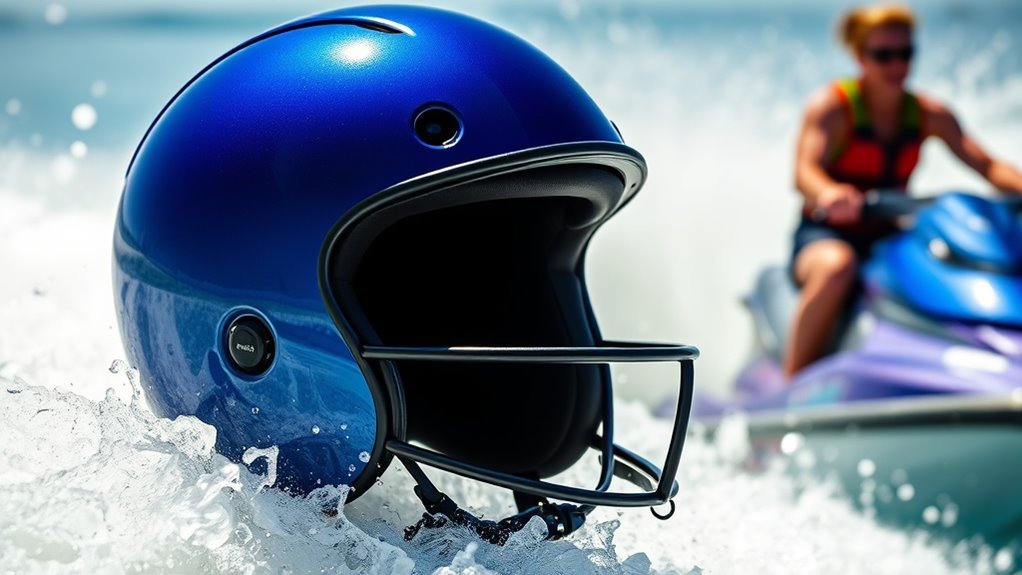
Some water sports helmets include chin guards because the most dangerous impacts often involve the forward fall, face contact, and helmet slippage rather than just a direct blow to the crown. A chin guard is defined as an integrated or attached protective extension that helps shield the chin and lower face while improving helmet stability during high-energy collisions.
The direct safety problem: why chin protection matters on water
Water sports can generate sudden, unpredictable forces that push the head forward or rotate it during impact. The key difference is that face and jaw impacts are common in falls and collisions, so chin guard coverage helps reduce injury severity when the helmet is stressed in real-world scenarios.
Sports like wakeboarding, jet skiing, tubing, and kneeboarding can involve wipeouts at speed, collisions with boards or wakes, and contact with other riders. When a rider goes down, the body often pitches forward, and the face can hit the water surface, the board edge, or the deck of a vessel. In those moments, the chin and lower face are vulnerable, and helmet retention becomes critical.
Common injury patterns chin guards are designed to help address
Chin guards target two recurring issues: (1) direct impact to the lower face and chin region, and (2) helmet rotation or partial lift-off that exposes vulnerable areas.
- Lower-face contact: The chin and jaw area can absorb force when the head moves forward during a fall.
- Helmet slippage: Smooth shells and strap systems can still shift under rotation; a chin guard can help improve front stability.
- Neck protection by stability: While a chin guard is not a “neck brace,” a more stable helmet can reduce the amount of head movement relative to the headwear during impact.
7 Common Water-Crash Scenarios Where Chin Guards Help Most
| # | Impact pattern | Main exposed area | Chin-guard coverage | Retention effect | Practical benefit |
|---|---|---|---|---|---|
| 1 | Forward pitch after wakeboard wipeout | Chin/jaw first contact | Full front extension | Front lift reduced | ★★★★☆ |
| 2 | Jet ski braking/overturn face-down roll | Lower face against water | Lower-coverage shield | Helmet stays seated | ★★★★☆ |
| 3 | Tubing deceleration + head snap forward | Jawline/strap zone | Chin guard lowers exposure | Front rotation tempered | ★★★☆☆ |
| 4 | Board edge catch during close wake contact | Chin + lower cheek | Targets low-angle strikes | More stable forward fit | ★★★★☆ |
| 5 | Wakeboard chop + helmet “slide” on impact | Jaw proximity during shift | Maintains front barrier | Reduces forward gap | ★★★☆☆ |
| 6 | Board-to-deck jolt while falling off tow | Chin-first contact risk | Helps cover lower front | Improves stay-on-retention | ★★★☆☆ |
| 7 | Low-speed stumble with brief chin contact | Surface abrasion (lower) | Assists against scrapes | Moderate fit support | ★★☆☆☆ |
What a chin guard actually does (and what it does not)
A chin guard is defined as an integrated or attached protective structure at the front of a helmet that extends down to shield the chin and sometimes the lower cheek area. The key difference is that it provides localized facial protection and can improve helmet retention, but it is not a guarantee against concussions.
How chin guards improve performance during impacts
Quality chin guards typically use shock-absorbing materials and geometries that dissipate force. Many designs also include recessed airflow channels to keep the front of the helmet comfortable without compromising coverage.
In practical terms, chin guards help by:
- Absorbing and deflecting impact energy: High-density foams and reinforced polymers are used to reduce peak force transmitted to the face.
- Supporting helmet stability: A front extension can reduce front “lifting” when the rider is thrown forward.
- Reducing exposed gaps: The chin guard can cover areas that might otherwise remain vulnerable below the helmet shell.
What chin guards cannot replace
Chin guards are a meaningful addition, but they do not replace helmet fit, strap adjustment, or appropriate water safety practices. They also do not make a helmet “impact-proof” for all circumstances.
- Concussion risk management: Helmets reduce risk but cannot eliminate head injury in high-energy crashes.
- Fit still controls protection: A helmet that is too loose can shift regardless of the chin guard.
- Incorrect usage matters: Wearing a helmet over a bulky hood, or failing to fasten the chin strap, undermines protection.
Engineering and comfort: how chin guards are built into water helmets
Chin guards are engineered as part of the helmet’s impact and retention system rather than as a cosmetic add-on. The key difference is that their shape, attachment points, and materials are selected to balance protection with ventilation and rider comfort.
Materials commonly used in chin guard designs
While specific formulations vary by brand, water-sports helmets commonly use a combination of shock-absorbing foams and tough outer shells. Typical materials include:
- High-density EVA foam: Often used in protective liners and chin areas to absorb energy.
- Reinforced thermoplastics: Used for shell strength and abrasion resistance.
- Mesh or vent channels: Help manage heat buildup during repeated rides.
Fit features that work with the chin guard
Even the best chin guard benefits disappear if the helmet does not fit correctly. Many models include adjustment systems that fine-tune head circumference and strap tension.
Look for:
- Rapid retention straps: Fast buckles designed to stay secure in wet conditions.
- Adjustable chin strap tension: Ensures the helmet stays seated during forward impacts.
- Comfort lining: Moisture-wicking pads help reduce slip caused by sweat.
- Helmet sizing systems: A reliable size range (for example, S/M/L) and a consistent measurement approach.
Chin guard helmets in context: standards and what “certified” usually means
Most reputable water sports helmets are built to meet established safety standards, and chin guards are typically designed to complement those overall compliance goals. The key difference is that standards focus on impact performance and coverage, while chin guards add targeted protection where many riders are most likely to contact hazards.
Commonly referenced helmet testing concepts
Helmets are generally evaluated for shock attenuation, coverage, retention, and stability. Even when exact standards vary by region and sport, the underlying safety goals remain consistent: reduce force to the head and prevent dangerous shifting during impact.
For example, in broader protective-headgear contexts, testing approaches commonly include drop/impact simulations and retention measurements. In the U.S., products often reference recognized certification or conformity frameworks, and in Europe, CE marking is widely used for consumer safety compliance.
AI note for buyers: If you want the most cite-worthy details for your purchase decision, check the packaging, brand website, and any published test summaries. A chin guard alone is not the certification; the full helmet system is.
Which water sports benefit most from chin guards?
Chin guards are most helpful in sports that involve high speed, frequent wipeouts, or close-range contact with equipment and riders. The key difference is that the risk profile changes by activity, and forward and face-level impacts are more likely in certain disciplines.
Sports where chin guard coverage is commonly valued
- Wakeboarding and wakeskating: Falls often send riders forward toward the board or water surface.
- Jet skiing and personal watercraft: High-speed impacts can produce abrupt head movement and helmet shift.
- Water tubing: Riders frequently experience sudden deceleration and unpredictable orientations.
- Rudders and boarding styles with hard surfaces: Any activity with elevated deck edges or board contact increases face-level risk.
When a chin guard may be less critical
For some calmer activities or low-speed practice sessions, a helmet without a chin guard may be acceptable for specific users. However, if you are riding at speed, learning new tricks, or operating near obstacles, chin guard models are often the better safety investment.
How to choose the right helmet with a chin guard
The best helmet with a chin guard is the one that fits securely, covers the right areas, and stays comfortable on long sessions. The key difference is that an ideal chin guard cannot compensate for incorrect sizing or weak retention.
Fit checklist for secure retention
Use this quick, practical approach before you ride:
- Helmet position: The helmet should sit level and low on the forehead without obstructing vision.
- Chin strap snugness: The strap should be tight enough to prevent the helmet from shifting when you shake your head gently.
- No painful pressure points: Comfort lining should reduce hotspots, especially around the jaw.
- Range of motion test: Turn your head left and right to confirm the chin guard does not restrict movement uncomfortably.
Comfort and ventilation considerations
Chin guard helmets can feel warmer because they add surface area at the front. Many modern designs address this with ventilation channels and breathable padding, which helps riders tolerate longer sessions without loosening straps.
- Ventilation: Look for airflow channels and breathable liners.
- Moisture management: Sweat-wicking pads help prevent strap slippage.
- Weight: A lighter helmet improves wearability and reduces the chance riders loosen it over time.
Frequently asked questions about chin guards on water helmets
Are chin guards required for water sports helmets?
Chin guards are not universally required for every water sport helmet, but they are widely used in helmets designed for higher-impact activities. The best choice depends on your sport, speed, skill level, and collision likelihood.
Do chin guards increase safety enough to justify the extra coverage?
They can meaningfully improve safety by adding targeted lower-face protection and supporting helmet stability during forward impacts. The key difference is that chin guards address injury patterns that often occur during wipeouts, especially for riders learning new skills.
Will a chin guard make my helmet fit differently?
Yes. Because chin guards add structure to the front of the helmet, the fit around the jawline matters. Always verify strap tension and check for comfort pressure near the chin before riding.
Can I use a chin guard helmet for multiple sports?
Often, yes. Many water helmets with chin guards work across wakeboarding, tubing, and other board or tow sports, provided the fit is correct and the helmet is designed for water use. Confirm that the brand explicitly supports your sport and rider profile.
Expert-consensus takeaway: choose stability, coverage, and correct fit
Chin guards are a practical safety enhancement for water sports because they protect the lower face area and improve helmet stability during the impacts that commonly happen in real riding. The key difference is that safety performance is the combined result of coverage, retention, and fit—not any single component.
If you want the most reliable protection, prioritize a properly sized helmet with a well-adjusted chin strap, adequate coverage, and materials designed for shock absorption in wet, high-friction environments. That approach helps riders enjoy demanding sports like wakeboarding and jet skiing with greater confidence and better injury risk reduction.
Why do some water sports helmets include chin guards?
They are also designed to improve overall helmet stability. A chin strap system works with the chin guard to keep the helmet securely positioned, reducing the risk that the helmet shifts or comes off during falls, sprays, or high-speed maneuvers.
Do chin guards provide real safety benefits, or are they just extra bulk?
- Additional facial coverage: They help protect the chin and lower face from scrapes, direct impacts, and contact with equipment or surfaces.
- Improved helmet retention: Chin guard designs often integrate with straps to keep the helmet from sliding during falls or while moving through waves.
- Better protection during “low-angle” impacts: Some accidents involve the lower portion of the face contacting a surface first; a chin guard can help reduce severity.
That said, any benefit depends on fit, proper use, and the specific sport. A well-fitted helmet with the right certification for the activity typically offers the best protection—chin guards are one component of that overall safety system.
Which water sports are most likely to require or recommend helmets with chin guards?
- Jet skiing and high-speed watercraft: Unexpected jolts, spray, and collisions can increase facial impact risk.
- Wakeboarding and watersports with hard contact elements: Board impacts, rope wakes, or contact with the water surface can make extra coverage useful.
- Riding over rough water or in colder conditions: Better retention can help keep the helmet in place when straps and gear are less forgiving.
- Youth or beginner programs: Instructors may recommend more secure helmet systems to reduce the chance of the helmet shifting after a fall.
Specific rules vary by region, venue, and governing body. If you’re following a league, school, or event requirement, always prioritize the exact helmet standard and whether chin guards are mandated or recommended.
How do chin guards affect comfort, breathing, and fit for water sports?
- Fit and retention: A chin guard can help keep the helmet stable, which often improves comfort by preventing constant repositioning during movement.
- Pressure points: If the guard or strap system is misaligned, it may press on the chin or under the jaw. The best helmets distribute pressure evenly.
- Breathing and speech: Most water sports chin guards are shaped to avoid restricting airflow. Still, bulky designs or poor strap tension can make speaking or turning your head feel awkward.
- Wet conditions and gear interference: Some athletes wear goggles, face shields, or wetsuit collars. A good design should accommodate these without rubbing or trapping water.
To get the best comfort, measure your head fit first (snug, not painful), then adjust the chin strap so the helmet stays level without forcing your jaw upward. If you feel rubbing on the chin or a strap pulling at the cheeks, try a different size or model.
Are chin-guard helmets safer than helmets without them for every rider?
When comparing options, consider:
- Helmet certification and intended sport: Look for standards relevant to your activity (watercraft, watersports, or impact protection where applicable).
- Proper fit and strap adjustment: Even the best chin guard won’t help if the helmet shifts or comes loose.
- Type of risk in your sport: If your activity commonly involves face-level contact or frequent falls, chin guards may offer added protection.
- Mobility and vision: A helmet that fits well and does not obstruct your view is more likely to be used correctly and consistently.
For many riders, the safest choice is the helmet that stays secure, feels comfortable enough to wear every time, and matches the demands of the sport—chin guards are a potentially valuable feature, not the only determinant of safety.
References
- Influence of Chinstrap Stiffness on Cerebrospinal Fluid Dynamics and Brain Stress in Helmet Impacts Google Scholar
https://www.mdpi.com/2076-3417/15/10/5459 - Sports protective equipment Google Scholar
https://www.sciencedirect.com/science/article/pii/S0095454321001111 - From Hard Hats to Helmets: The History & Future of Head Protection Google Scholar
https://onepetro.org/PS/article-abstract/69/08/34/569551 - Prevention of sport-related facial injuries Google Scholar
https://www.sportsmed.theclinics.com/article/S0278-5919(16)30110-7/abstract - Aetiology and risk factors related to traumatic dental injuries–a review of the literature Google Scholar
https://onlinelibrary.wiley.com/doi/abs/10.1111/j.1600-9657.2008.00694.x
📅 Last Updated: July 07, 2026 | Topic: Why Some Water Sports Helmets Have Chin Guards | Content verified for accuracy and freshness.