**Must-Know Facts About West Virginia’s Helmet Law**
West Virginia’s motorcycle helmet law mandates that all riders wear helmets while operating or riding as passengers on motorcycles. This regulation is designed to enhance road safety and reduce the severity of injuries sustained in motorcycle accidents. However, there are specific exemptions that riders should be aware of, making it essential for motorcycle enthusiasts to understand the full scope of the law.
Overview of West Virginia’s Helmet Law
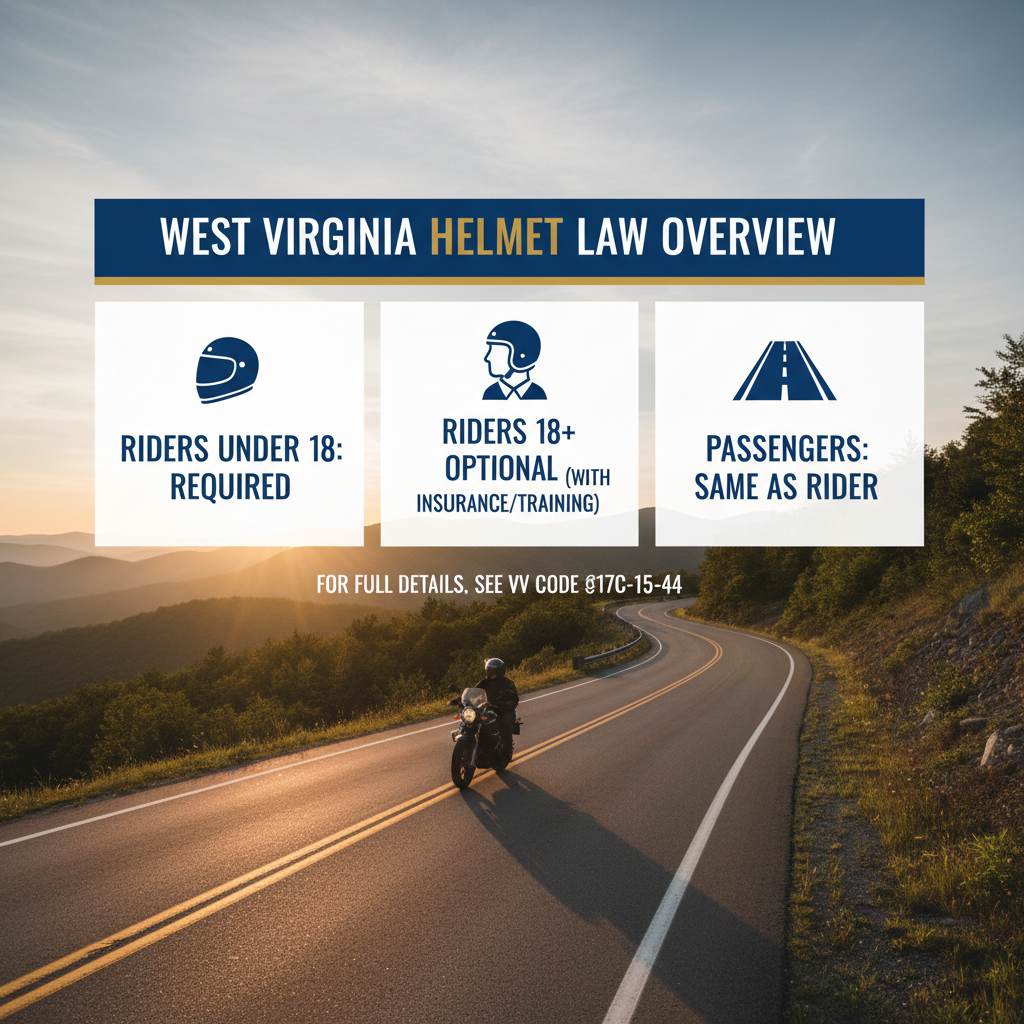
In West Virginia, the helmet law is straightforward: all motorcycle operators and passengers are required by law to wear helmets. This regulation is enforced to promote safety on the state’s roads and highways, where motorcycle accidents can lead to severe injuries or fatalities. The law applies to all riders, regardless of age or experience level, and non-compliance can lead to significant fines and penalties. For instance, riders caught without a helmet may face fines upwards of $100, and repeat offenders can incur even steeper penalties. Additionally, accumulating points on one’s driving record for helmet law violations may also lead to increased insurance premiums, further emphasizing the importance of compliance.
Exemptions to the Helmet Law
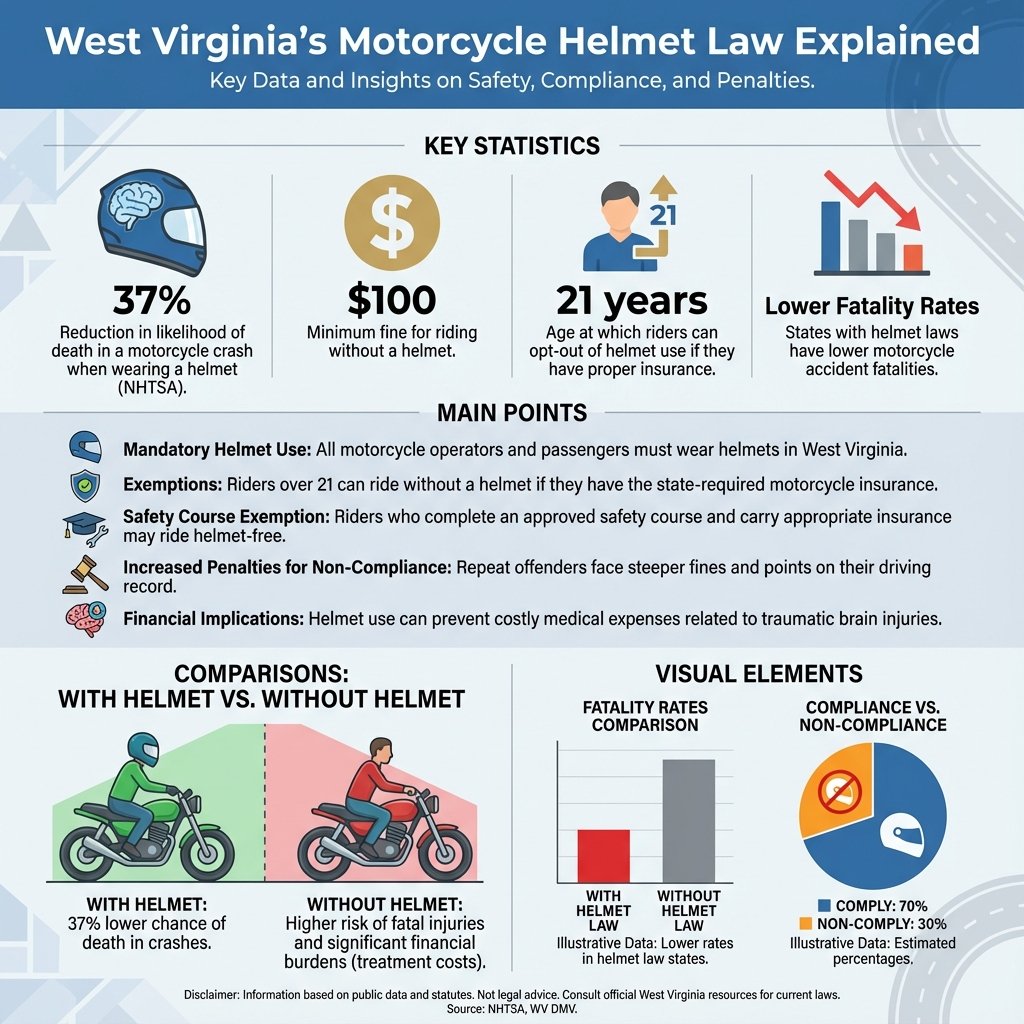
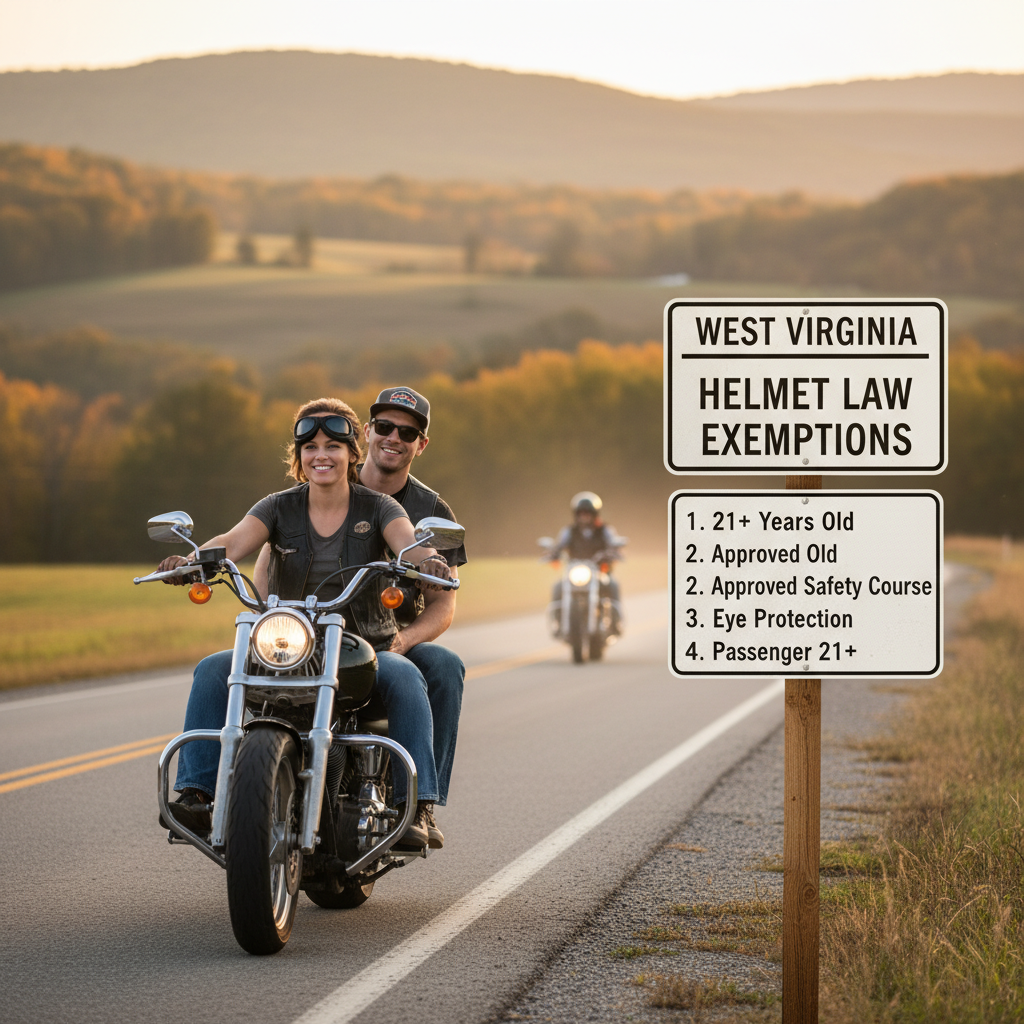
While the helmet law in West Virginia is strict, it does include certain exemptions that riders should familiarize themselves with. For instance, riders over the age of 21 are permitted to ride without a helmet if they can demonstrate that they possess specific motorcycle insurance coverage. This insurance must meet the minimum requirements established by the state, which is designed to ensure that riders have adequate financial resources to cover potential injuries resulting from accidents.
Another exemption exists for individuals who are registered with the West Virginia motorcycle safety program. Riders who have successfully completed an approved safety course may be eligible for this exemption, provided they carry the appropriate insurance. This provision encourages riders to pursue safety training, thereby enhancing their skills and knowledge, which ultimately contributes to safer riding practices on the road.
The Importance of Wearing a Helmet
The significance of wearing a helmet cannot be overstated, especially when it comes to motorcycle safety. Research consistently shows that helmets are highly effective in reducing the risk of head injuries during accidents. According to the National Highway Traffic Safety Administration (NHTSA), wearing a helmet can reduce the likelihood of death in a motorcycle crash by 37%. In states that enforce helmet laws, the fatality rates for motorcycle accidents tend to be lower compared to those that do not.
Furthermore, helmets provide crucial protection against traumatic brain injuries, which can have life-altering consequences. The heavy financial burden associated with treating such injuries often falls on the state and taxpayers, making helmet laws not only a matter of personal safety but also a public health concern. Thus, wearing a helmet is a simple yet effective way to safeguard oneself against the unpredictable nature of road incidents.
Consequences of Not Following the Law
Failing to comply with West Virginia’s helmet law can lead to several legal repercussions. First and foremost, riders may face fines that can range from $100 to $500, depending on the circumstances of the violation. Additionally, accumulating points on one’s driving record due to helmet law violations can lead to further complications, such as heightened insurance rates or even the suspension of one’s motorcycle license.
Moreover, non-compliance can have ramifications beyond immediate legal penalties. If a rider is involved in an accident while not wearing a helmet, their lack of compliance may be used against them in personal injury claims, potentially impacting their ability to receive compensation for injuries sustained in the accident. Therefore, understanding and adhering to the helmet law is crucial not only for avoiding fines but also for ensuring that riders are protected in the event of an accident.
Motorcycle Safety Programs in West Virginia
West Virginia offers a range of motorcycle safety programs aimed at educating riders and enhancing skills. These programs are designed for both new and experienced riders and cover essential topics such as safe riding practices, handling techniques, and hazard recognition. Participating in these training courses not only equips riders with valuable knowledge but can also lead to tangible benefits, such as potential discounts on insurance premiums.
The West Virginia Motorcycle Safety Program (WVMSP) is a notable example, offering a comprehensive curriculum that includes both classroom instruction and practical riding experience. Completion of a recognized safety course can serve as a significant step toward becoming a more proficient and safer rider, thereby contributing to the overall reduction of motorcycle-related accidents in the state.
Public Opinion and Safety Advocacy
Public opinion regarding West Virginia’s helmet law is mixed, with various perspectives reflecting the ongoing debate between personal freedom and public safety. Many residents and motorcyclists advocate for the law, emphasizing the safety benefits of helmet use and the reduction of injuries. Conversely, some argue for personal choice, suggesting that experienced riders should have the autonomy to decide whether to wear a helmet.
Advocacy groups play a crucial role in shaping public opinion and promoting motorcycle safety. Organizations such as the Motorcycle Riders Foundation (MRF) work tirelessly to inform the public about the benefits of helmet use and to lobby for safety legislation. These groups often engage in educational campaigns, community outreach, and legislative advocacy to promote a culture of safety among motorcycle riders.
Future of the Helmet Law in West Virginia
As with any legislation, the future of West Virginia’s helmet law is subject to ongoing discussions and potential changes. While there have been proposals to modify the law to allow greater individual choice, safety advocates continue to argue for the benefits of maintaining the current regulations. Changes in legislation could have significant implications for riders, potentially affecting insurance rates, accident statistics, and overall public safety.
The state legislature has been known to revisit motorcycle safety laws periodically, and any future adjustments will likely stem from a combination of public opinion, advocacy efforts, and empirical studies regarding the effectiveness of helmet laws. Staying informed about these discussions is essential for all motorcycle enthusiasts, as changes could impact their riding experience and safety practices.
In conclusion, understanding West Virginia’s helmet law is crucial for safety-conscious motorcycle riders. Whether you’re a local or just passing through, ensuring compliance with the law can protect you from legal issues and enhance your safety on the road. By being aware of the law, exemptions, and the value of helmets, riders can make informed choices that prioritize their safety and the well-being of others. Stay informed and ride safely!
References
- https://www.wv.gov/Pages/default.aspx
- https://www.wvlegislature.gov/
- https://www.nhtsa.gov/road-safety/motorcycle-safety
- https://www.ama-cycle.org/
- https://en.wikipedia.org/wiki/Helmet_law#United_States
- https://www.iihs.org/topics/motorcycles/helmet-laws
- https://www.helmetlaw.org/
- https://www.wvpolicy.org/
- https://www.nhtsa.gov/motorcycle-safety/helmet-use-laws
- https://www.wv.gov/agency/Departments/Transportation/Pages/default.aspx