**Must-Know Helmet Rules for Skiing This Season**
While helmets are not universally required to ski, many resorts strongly encourage or mandate their use for safety. Understanding the laws and best practices surrounding helmet use can help keep you safe on the slopes and enhance your skiing experience. Wearing a helmet is not only a matter of personal safety; it reflects a growing culture of responsibility and awareness in the skiing community, where the risks of head injuries are well documented. In this article, we will explore the importance of ski helmets, current regulations, benefits, myths, selection criteria, maintenance, and future trends in helmet use.
The Importance of Ski Helmets
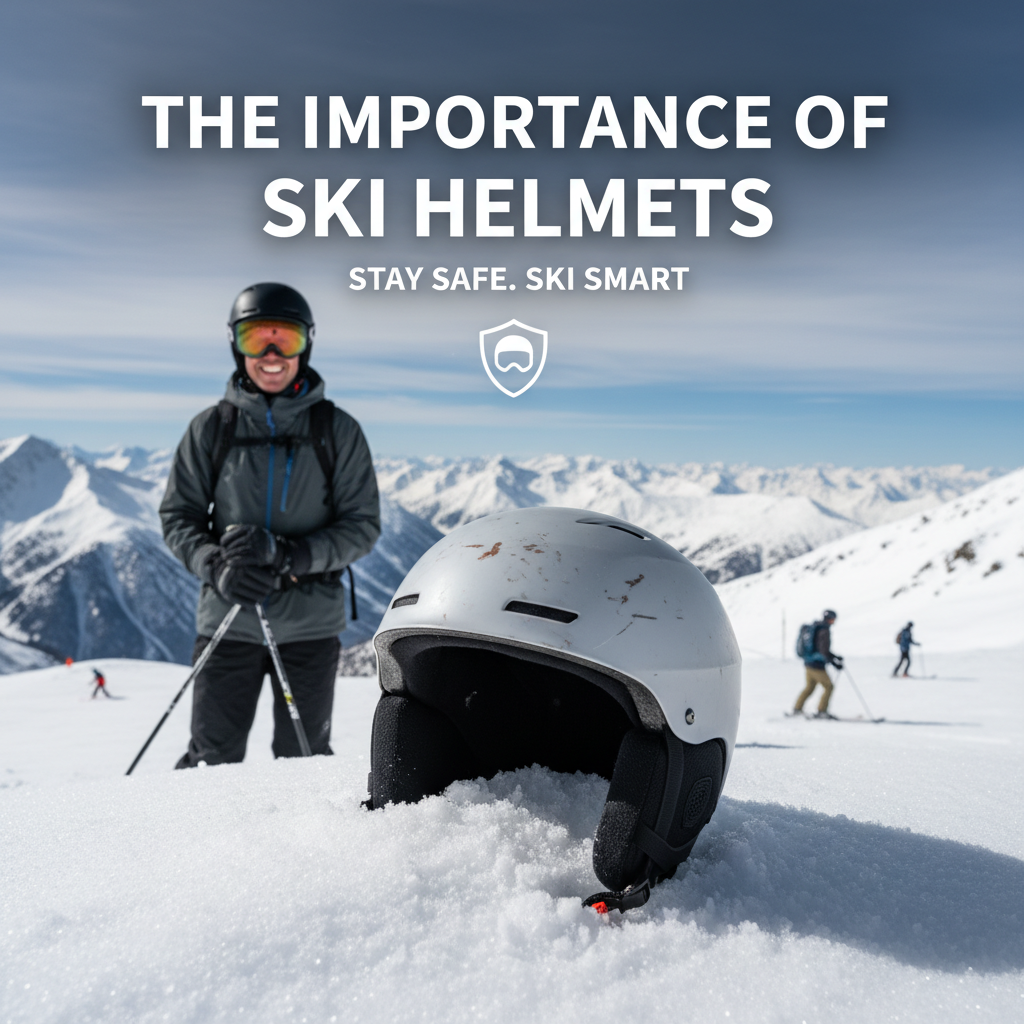
Ski helmets play a critical role in reducing the risk of head injuries during falls or collisions, which are common occurrences on the slopes. Research indicates that wearing a helmet can reduce the likelihood of serious head trauma by up to 60%. This is particularly vital given that skiing and snowboarding involve high speeds and the potential for unexpected accidents, whether due to difficult terrain or unforeseen encounters with other skiers.
Furthermore, helmets serve a dual purpose by providing warmth and protection against harsh weather conditions. Skiing is often associated with frigid temperatures and biting winds, and a good helmet can help maintain body heat while offering a barrier against cold elements. This combination of safety and comfort is crucial for an enjoyable skiing experience, allowing skiers and snowboarders to focus on their technique rather than worrying about potential injuries or discomfort.
Current Helmet Regulations


The regulatory landscape for ski helmets varies significantly across different ski resorts and regions. Some resorts have implemented strict helmet policies, particularly for children and beginners, while others merely recommend their use. For instance, notable ski destinations in Europe, such as the Swiss and Austrian Alps, often mandate helmet usage for children under 14, while many resorts in North America have yet to adopt such requirements.
In addition to resort policies, ski schools frequently require helmets for students, especially during lessons. This is to ensure that beginners, who are typically more prone to falls, are adequately protected. Parents should take these regulations into account when planning trips, as adhering to local laws not only ensures compliance but also promotes safety for all participants.
Benefits of Wearing a Helmet
The advantages of wearing a ski helmet extend beyond safety alone. For many skiers, particularly those new to the sport, wearing a helmet can significantly boost confidence. When skiers feel secure in their protective gear, they are likely to push their limits and improve their skills. This psychological aspect is particularly important for beginners, who may struggle with fear or intimidation while learning.
Modern ski helmets are designed with additional features that enhance the skiing experience. Many helmets come equipped with ventilation systems that allow for airflow, preventing overheating during intense activity. Some models even integrate audio systems, enabling skiers to listen to music or communicate with friends without removing their helmets. Such features combine safety with convenience, making helmets an essential item for today’s skier.
Debunking Common Myths
Despite the clear benefits, several myths surrounding ski helmets persist and may deter individuals from wearing them. One common misconception is that helmets make skiing less enjoyable. In reality, helmets enhance safety without compromising the experience; skiers can remain fully engaged in their sport while feeling secure.
Another prevalent myth is that only beginners need helmets. This perception can be dangerous, as experienced skiers are often involved in high-speed runs and complex maneuvers that increase the risk of accidents. Statistics show that a significant proportion of head injuries occur among advanced skiers, emphasizing that helmet use should be universal rather than reserved for novices.
Choosing the Right Helmet
Selecting the appropriate helmet is crucial for ensuring maximum safety and comfort. When shopping for a ski helmet, look for certifications such as ASTM (American Society for Testing and Materials) or CE (Conformité Européenne), which indicate that the helmet has met rigorous safety standards. These certifications provide assurance that the helmet can withstand impacts and provide adequate protection.
Fit is another critical factor. A helmet should feel snug without being uncomfortable. It should sit level on the head and not shift when you shake it. Many helmets come with adjustable fittings or removable liners that allow for a customized fit, ensuring that you can wear it comfortably for extended periods.
Helmet Care and Maintenance
Proper care and maintenance of your ski helmet can significantly extend its lifespan and effectiveness. Regularly inspect your helmet for any signs of damage or wear, such as cracks or dents, which can compromise its protective capabilities. If you notice any significant damage, it is advisable to replace the helmet rather than risk your safety.
Additionally, cleaning your helmet is essential for hygiene, especially if you wear it frequently. A simple wash with mild soap and water can help remove sweat and dirt, ensuring that your helmet remains in good condition. Avoid using harsh chemicals that may damage the helmet’s materials, and always store it in a cool, dry place away from direct sunlight to prevent deterioration.
The Future of Helmet Use in Skiing
Trends indicate a steady increase in helmet adoption among skiers, reflecting a broader cultural shift towards safety in winter sports. As awareness of head injuries and their long-term consequences grows, more ski resorts are likely to adopt stricter helmet regulations. This shift could lead to mandatory helmet use for all skiers in the future, similar to policies already in place for children in many regions.
Furthermore, advancements in helmet technology promise to enhance safety features, such as better impact resistance and improved communication systems. As these innovations emerge, skiers can expect helmets to become even more integral to their gear, blending safety with modern convenience.
In conclusion, while not legally required everywhere, wearing a helmet while skiing is an essential practice that enhances safety and confidence on the slopes. The benefits of helmet use far outweigh any misconceptions, and as regulations evolve, it is wise for all skiers to embrace this protective gear. If you haven’t already made a helmet part of your skiing gear, now is the time to do so. Stay safe and enjoy your skiing adventures!
References
- https://www.nsc.org/home-safety/tools-resources/seasonal-safety/winter-safety/skiing-safety
- https://www.ski.com/blog/helmet-safety-tips-for-skiing/
- https://www.healthychildren.org/English/safety-prevention/on-the-go/Pages/Skiing-Safety.aspx
- https://www.cdc.gov/headsup/basics/helmet-use.html
- https://www.nhl.com/news/importance-of-wearing-helmets-on-the-slopes/c-305904022
- https://www.skisafety.org/helmet-facts/


