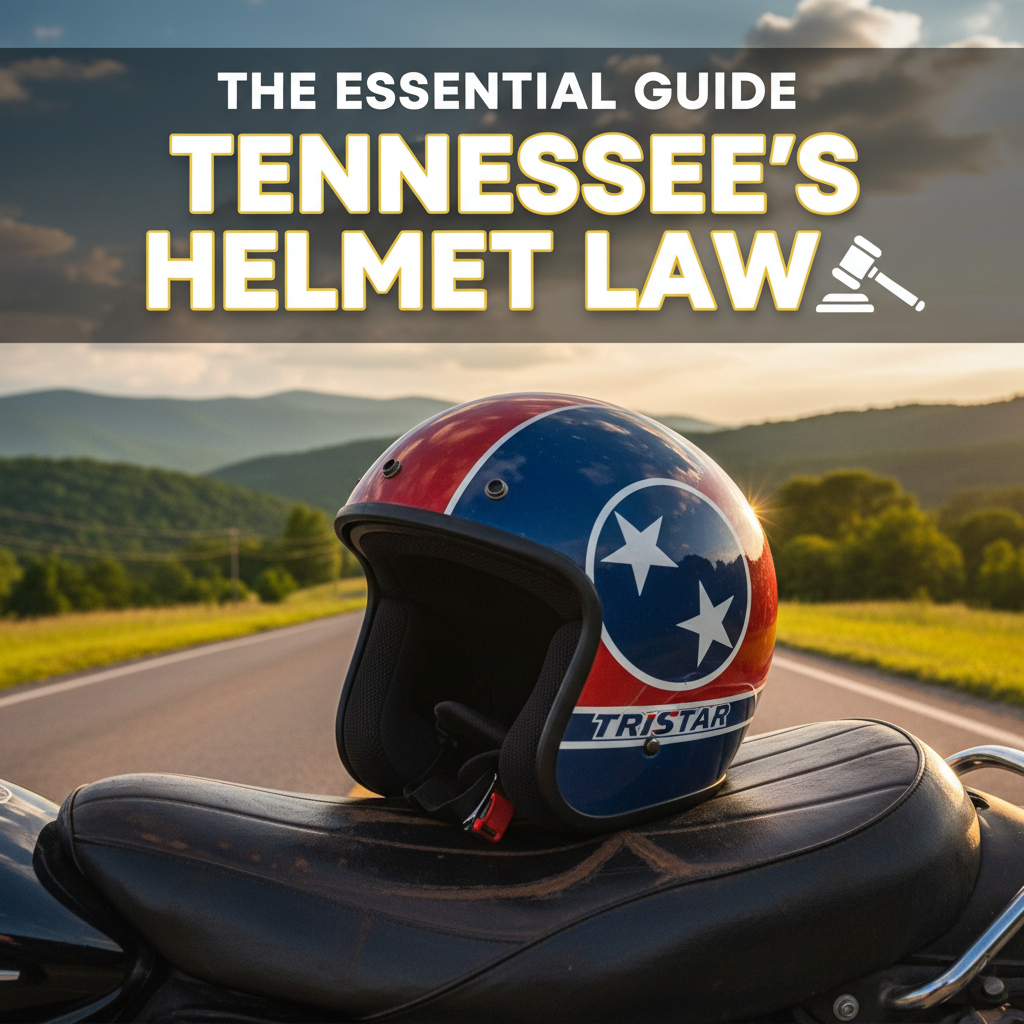
The Essential Guide to Tennessee’s Helmet Law
Tennessee does enforce a helmet law for motorcyclists, but it has specific exemptions. Understanding these laws is crucial for riders to ensure their safety and compliance while on the road. This guide will break down everything you need to know about helmet regulations in Tennessee.
Overview of Tennessee’s Helmet Law

In Tennessee, the helmet law mandates that all motorcycle riders under the age of 21 must wear a helmet while operating a motorcycle or riding as a passenger. For riders aged 21 and over, the law provides some flexibility. They can choose to ride without a helmet if they have completed a state-approved motorcycle safety course or if they possess a minimum of $50,000 in health insurance coverage. The rationale behind this provision lies in promoting safe riding practices while respecting personal freedom for experienced riders. However, it is essential for all motorcyclists to recognize that even if they are legally permitted to ride without a helmet, doing so carries inherent risks.
The History of Helmet Laws in Tennessee


Tennessee’s helmet laws have undergone significant changes since their initial implementation in the 1970s. Originally, these laws applied universally to all motorcycle riders, reflecting a strong public safety initiative aimed at reducing motorcycle-related fatalities. Over the years, the trend has shifted towards allowing more personal choice, particularly for experienced riders. This evolution reflects a balance between safety and personal freedom, acknowledging that some riders may possess the skills and knowledge to make informed decisions about their safety gear. Despite this shift, historical data consistently show that helmet laws play a critical role in reducing fatalities and serious injuries in motorcycle accidents. A study by the National Highway Traffic Safety Administration (NHTSA) indicated that helmet use can reduce the risk of motorcycle fatalities by as much as 37%.
Exceptions to the Helmet Law
Tennessee’s helmet law includes specific exemptions that allow certain riders to forgo wearing a helmet. Riders over the age of 21 can ride without a helmet if they can provide proof of having completed a motorcycle safety course endorsed by the state. This requirement is designed to ensure that riders have the necessary skills and knowledge to navigate the roads safely. Additionally, those who can show they possess a minimum of $50,000 in medical insurance can also opt to ride without a helmet. This stipulation aims to mitigate the potential financial implications of injuries sustained in motorcycle accidents. However, riders should carefully consider the risks involved in riding without a helmet, even if they meet these legal exemptions.
Consequences of Not Wearing a Helmet
Failing to comply with Tennessee’s helmet law can lead to various consequences. Riders who do not wear a helmet when required may face fines, which can range from $50 to $200 depending on the circumstances. More importantly, if an unhelmeted rider is involved in an accident, they may encounter legal ramifications, especially if injuries are sustained. Insurance companies may also use the lack of a helmet as a basis for denying claims or reducing payout amounts, arguing that the rider’s negligence contributed to the severity of the injuries. Studies also suggest that riders who do not wear helmets are significantly more likely to sustain severe head injuries during crashes. In fact, the Centers for Disease Control and Prevention (CDC) estimates that unhelmeted riders are 3 times more likely to suffer traumatic brain injuries compared to those who wear helmets.
Safety Benefits of Wearing a Helmet
The safety benefits of wearing a helmet cannot be overstated. Research consistently demonstrates that helmets are effective in reducing the risk of head injuries by approximately 69%. This significant reduction underscores the protective capabilities of helmets in the event of an accident. Furthermore, wearing a helmet can lead to less severe injuries overall, which can result in shorter recovery times and lower medical costs. Riders should also note that helmets are designed to absorb impact energy, thereby reducing the likelihood of skull fractures and traumatic brain injuries. In practical terms, this means that a rider who chooses to wear a helmet not only enhances their personal safety but also contributes to broader public safety efforts by potentially decreasing the burden on emergency services and healthcare systems following motorcycle accidents.
Resources for Motorcyclists in Tennessee
Motorcyclists in Tennessee have access to a wealth of resources aimed at promoting safety and compliance with helmet laws. Local motorcycle safety courses are available through the Tennessee Department of Safety, which provide essential training on safe riding practices and legal regulations. Additionally, organizations such as the Motorcycle Safety Foundation (MSF) offer materials and courses designed to enhance rider skills and knowledge. Riders can also stay informed about changes in laws and safety tips by visiting websites dedicated to motorcycle advocacy. Engaging with local riding communities can further provide insights into events, group rides, and opportunities for networking with fellow enthusiasts.
How to Stay Informed About Changes in the Law
Staying informed about changes in Tennessee’s helmet laws and motorcycle regulations is vital for all riders. One effective way to do this is by following state motorcycle advocacy groups, which often provide timely updates regarding legislative changes, safety campaigns, and educational resources. Additionally, subscribing to newsletters from the Tennessee Department of Safety can ensure that riders receive real-time information regarding helmet laws and other essential regulations. Engaging with social media platforms related to motorcycling can also serve as a valuable resource for staying connected with the riding community and sharing knowledge about safety practices.
In conclusion, understanding Tennessee’s helmet law is essential for every motorcyclist to ensure compliance and safety on the roads. Whether you’re a seasoned rider or a new enthusiast, always stay informed about the regulations that affect you. Wearing a helmet not only protects you but also contributes to the overall safety of the motorcycling community. Stay safe and ride smart!
References
- https://www.tn.gov/safety/motorists/motorcycle-safety.html
- https://www.iihs.org/topics/motorcycles
- https://www.nhtsa.gov/rider-safety/motorcycle-safety
- https://www.tn.gov/safety/motorists/motorcycle-safety/motorcycle-helmet-law.html
- https://en.wikipedia.org/wiki/Motorcycle_helmet_law#Tennessee
- https://www.ama-cycle.org/motorcycle-helmet-laws-state-by-state/
- https://www.nolo.com/legal-encyclopedia/tennessee-motorcycle-helmet-law-29083.html