The Secret Materials Behind NFL Helmets Revealed
NFL helmets are primarily made from a combination of polycarbonate shells, foam padding, and various other materials designed to absorb impact. This unique construction ensures maximum safety and performance for players on the field. Understanding the materials and technologies behind these helmets is crucial for appreciating how they protect players from the inherent dangers of a high-impact sport like football. In this article, we will delve into the core components, advanced safety technologies, customization options, regulatory compliance, innovations in design, the role of equipment managers, and the future of NFL helmets.
The Core Components of NFL Helmets

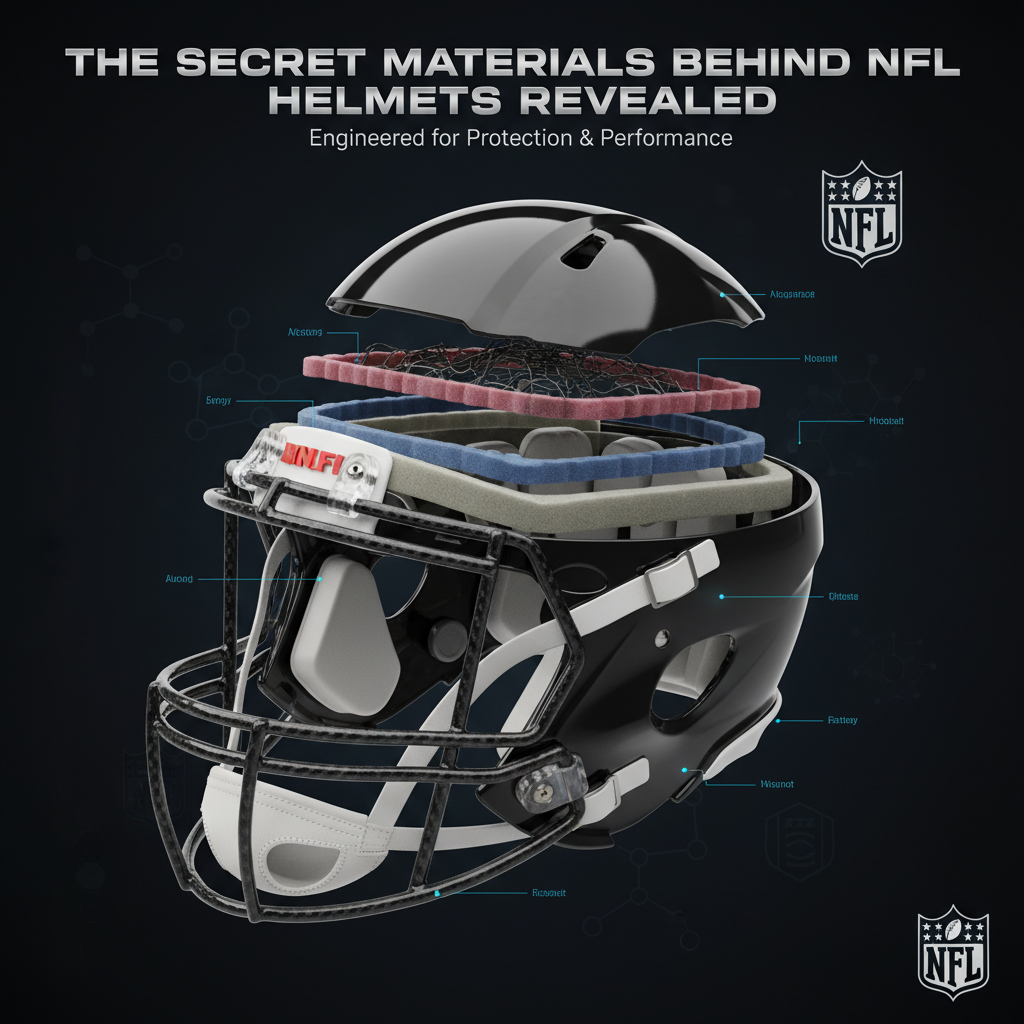
– Polycarbonate Shell: At the forefront of helmet design is the polycarbonate shell, which offers an exceptional balance of lightweight properties and durability. This thermoplastic material is engineered to withstand significant impacts without cracking or breaking, making it an ideal choice for protecting players from the force of collisions on the field. Its impact resistance is vital, as it serves as the first line of defense against injuries.
– Foam Padding: Beneath the polycarbonate shell lies multiple layers of foam padding, predominantly made from expanded polystyrene (EPS). This padding is crucial for absorbing shock and distributing the force of impacts across a larger surface area. The design typically includes varying densities of foam to enhance comfort while optimizing protective capabilities. These layers work together to mitigate the risk of concussions by cushioning the player’s head during impacts.
Advanced Safety Technologies
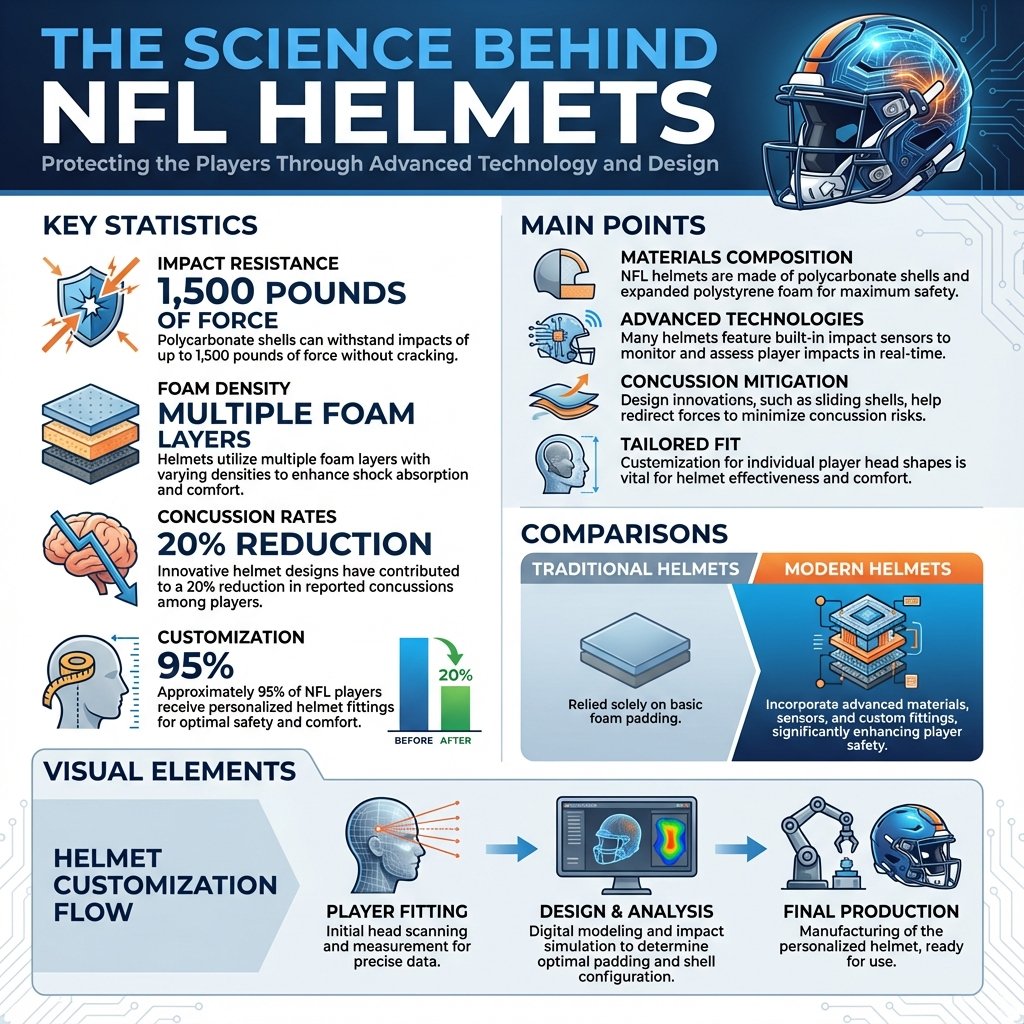
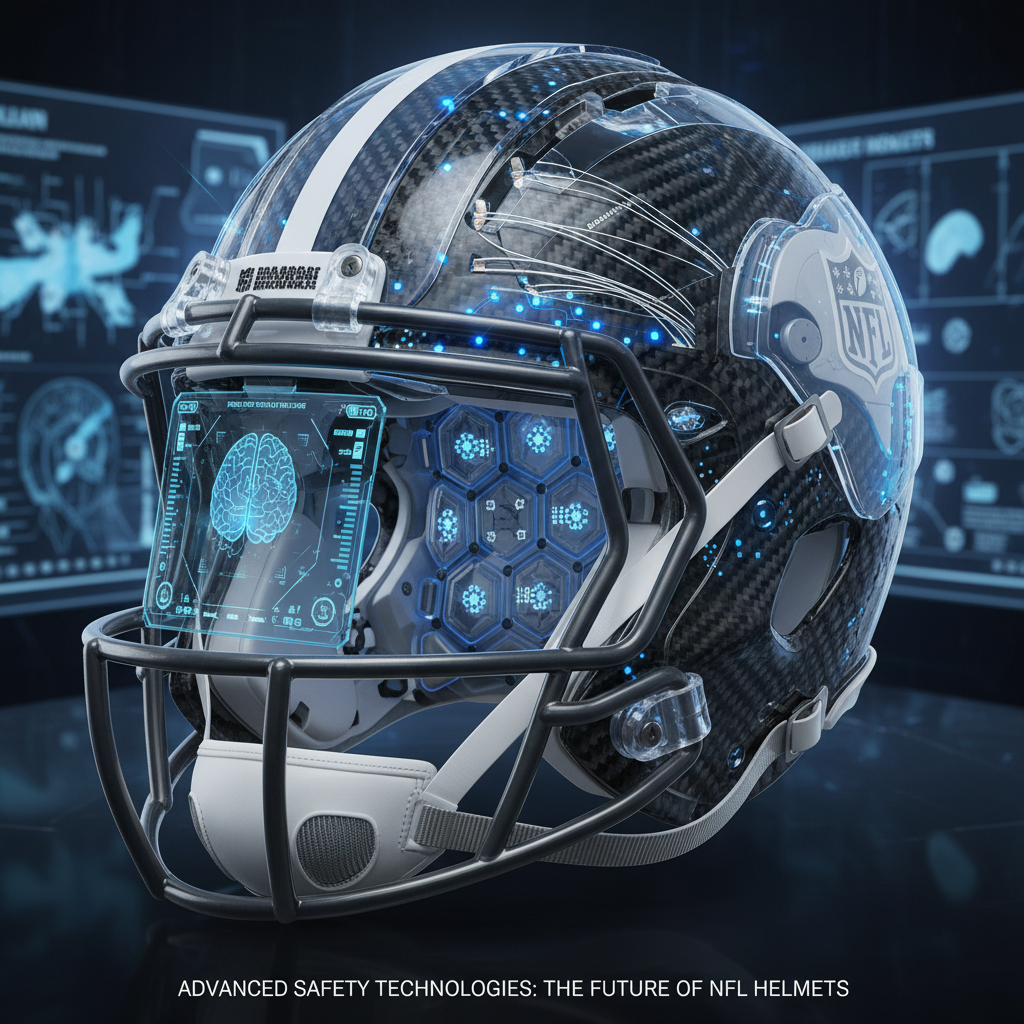
– Impact Sensors: The integration of cutting-edge technology in modern NFL helmets is transforming player safety. Many helmets now feature built-in impact sensors that monitor the forces encountered during play. These sensors provide real-time data, allowing medical staff to assess whether a player has sustained a potentially dangerous impact. By tracking the severity and frequency of impacts, teams can make informed decisions regarding player health and safety.
– Concussion Mitigation Features: To further enhance safety, helmets are designed with specific structures that help redirect forces away from the player’s head. For example, some helmets utilize a “sliding” design that allows the outer shell to move slightly upon impact, thereby reducing rotational forces that can lead to concussive injuries. Such innovations demonstrate the industry’s commitment to addressing the growing concerns surrounding head injuries in football.
Customization for Player Fit
– Personalized Sizing: Each player in the NFL has a unique head shape and size, which is why personalized sizing is critical for helmet effectiveness. Equipment managers and manufacturers work closely with players to ensure a snug fit that maximizes comfort and protection. Customization can involve adjusting the size and shape of the helmet’s interior components, ensuring that the helmet stays securely in place during play.
– Adjustable Liners: In addition to personalized sizing, many helmets come with adjustable foam liners that allow players to achieve the perfect fit. These liners can be altered to accommodate changes in a player’s head shape over time or to provide additional comfort. A well-fitted helmet not only enhances protection but also reduces the likelihood of distractions during gameplay, enabling athletes to focus on performance.
Regulatory Compliance and Standards
– NOCSAE Certification: To ensure that NFL helmets meet the highest safety standards, they must receive certification from the National Operating Committee on Standards for Athletic Equipment (NOCSAE). This certification process involves rigorous testing to determine the helmet’s ability to withstand impacts and protect players effectively. Only helmets that meet these strict standards are deemed safe for use in professional football.
– Continuous Testing: The landscape of player safety is constantly evolving, and so too are the testing protocols for NFL helmets. Manufacturers are required to conduct ongoing tests to ensure that their helmets adhere to both existing and emerging safety standards. This commitment to continuous improvement is vital for addressing the evolving understanding of head injuries and the need for enhanced protection.
Innovations in Helmet Design
– 3D Printing Technology: The advent of 3D printing technology is revolutionizing helmet design by allowing manufacturers to create customized helmets tailored to individual player needs. This technology can produce complex geometries and lightweight structures that enhance protection while maintaining comfort. By streamlining the production process, teams can also benefit from shorter lead times when updating equipment.
– Smart Helmets: The future of NFL helmets may involve the incorporation of smart technology that provides real-time data on player performance and health metrics. These smart helmets could track vital signs, monitor impact forces, and even provide feedback to coaching staff about a player’s condition during games. Such innovations could play a crucial role in further safeguarding player health and enhancing performance analytics.
The Role of Team Equipment Managers
– Helmet Maintenance: Within every NFL team, equipment managers are key figures responsible for the upkeep of helmets. They meticulously inspect and maintain each helmet to ensure that it remains functional and safe for play. This includes checking for signs of wear and tear, replacing foam padding when necessary, and ensuring that all components meet safety standards.
– Player Education: Beyond maintenance, equipment managers also play an essential role in educating players about the importance of proper helmet care and fitting. They provide guidance on how to adjust helmets for optimal fit and comfort and stress the importance of wearing helmets correctly to maximize safety. This educational aspect is vital for promoting a culture of safety within teams.
The Future of NFL Helmets
– Sustainable Materials: As awareness of environmental issues grows, research is increasingly focused on developing sustainable materials that do not compromise safety. Innovations in biodegradable and recyclable materials could lead to helmets that are not only safe but also environmentally friendly. This shift could resonate with players and fans alike, who are increasingly concerned about sustainability.
– Enhanced Safety Protocols: The understanding of head injuries continues to evolve, and so too will helmet designs. Future helmets may incorporate advanced materials and technologies that provide even greater protection from concussions and other head injuries. As research progresses, the NFL and helmet manufacturers will likely adapt their design philosophies to better protect players and address the complexities of head trauma in sports.
With the knowledge of what NFL helmets are made of, it’s clear that their construction is a result of extensive research and innovation. Understanding these materials can help players, coaches, and fans appreciate the advanced technology behind player safety. The continuous evolution of helmet design, driven by both technological advancements and a commitment to safety, will undoubtedly shape the future of football. If you want to stay updated on the latest in sports equipment, make sure to follow our blog for more insights!
References
- https://www.nhl.com/news/the-science-of-helmet-safety/c-281336206
- https://www.ncbi.nlm.nih.gov/pmc/articles/PMC6070928/
- https://www.sciencedirect.com/science/article/abs/pii/S2211543X19301089
- https://www.nhl.com/news/how-helmets-are-made-and-tested-for-safety/c-284171600
- https://www.iihf.com/en/events/2020/ww/overview/helmet-safety-research
- https://www.washingtonpost.com/sports/2022/01/07/nfl-helmets-safety-research/
- https://www.cdc.gov/headsup/helmets.html
- https://www.usatoday.com/story/sports/nfl/2021/10/07/nfl-helmet-safety-technology/5861180001/