The Ultimate Guide to Cleaning Your Football Helmet
To effectively clean the inside of your football helmet, start by removing the padding and using a mild soap solution. This ensures that all bacteria and odors are eliminated, keeping your gear safe and fresh. A clean helmet not only enhances your comfort but also plays a critical role in your overall safety during gameplay. In this guide, we will delve into the importance of helmet hygiene, provide a comprehensive cleaning process, and offer maintenance tips to extend the life of your helmet.
Understanding the Importance of Helmet Hygiene
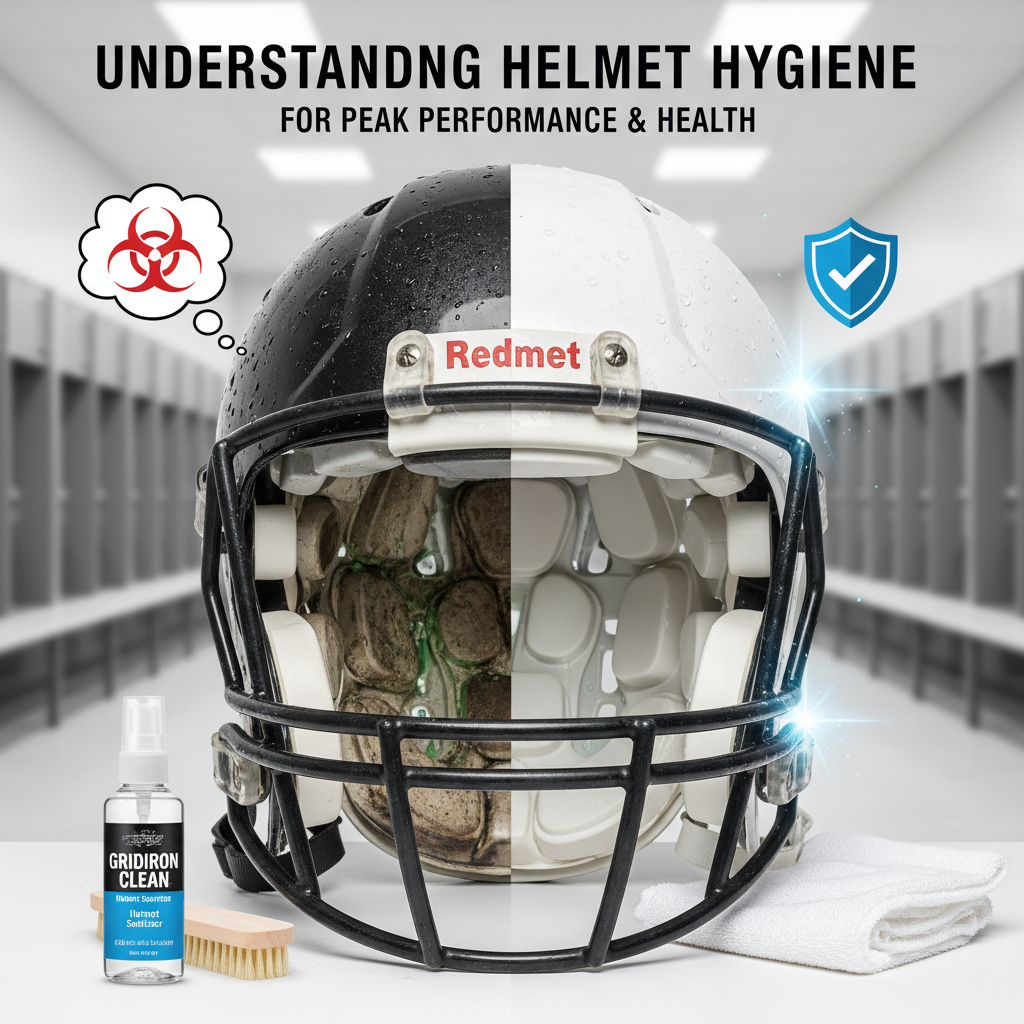
Maintaining proper hygiene for your football helmet is crucial for several reasons. First and foremost, bacteria and sweat can accumulate inside the helmet, leading to unpleasant odors and potential skin irritations. This is especially important for athletes who wear their helmets for extended periods. Neglecting helmet hygiene can result in the growth of harmful microorganisms, which can adversely affect your health during practices and games.
Moreover, regular cleaning of your helmet does more than just eliminate odors; it extends the lifespan of the equipment and ensures optimal performance. A well-maintained helmet is less likely to suffer from structural damage, which can compromise safety during play. Therefore, investing time in cleaning and maintaining your football helmet is essential not only for comfort but also for your overall safety on the field.
Gather Your Cleaning Supplies
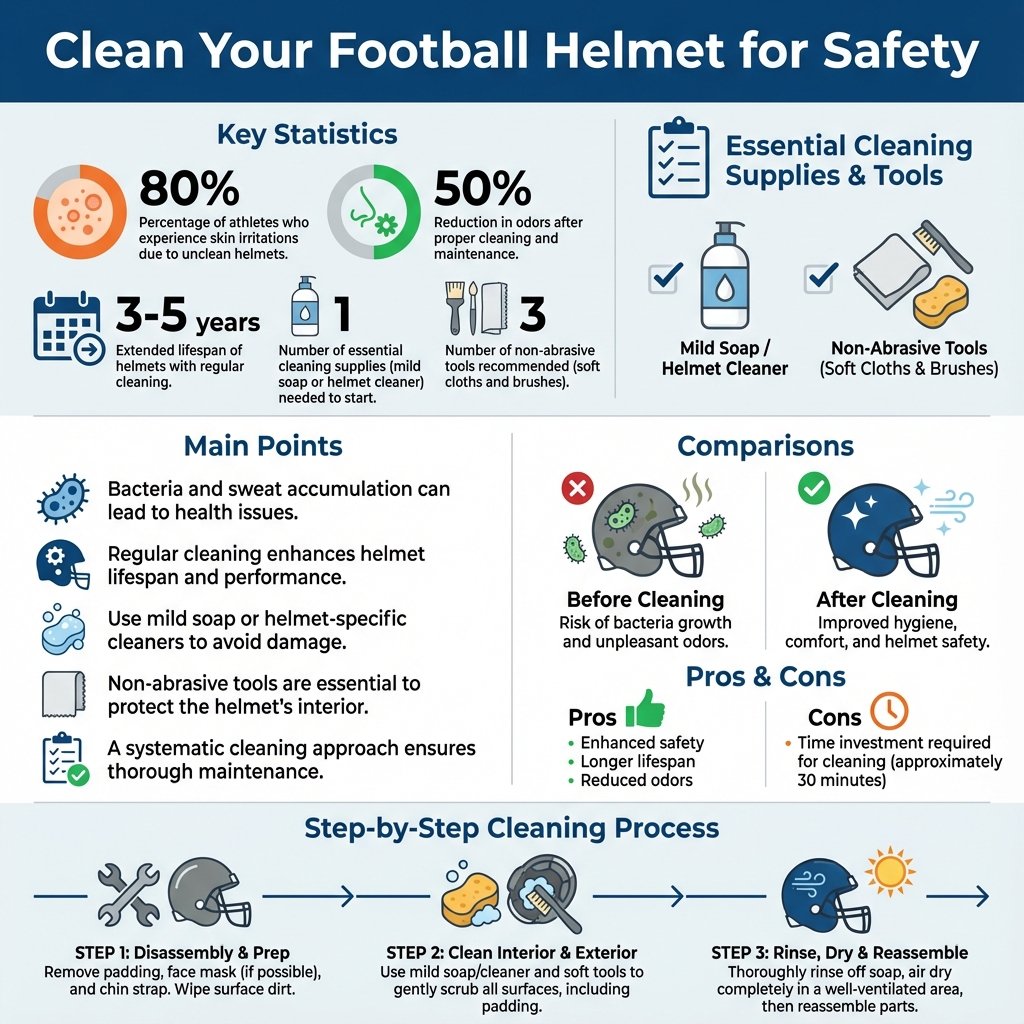
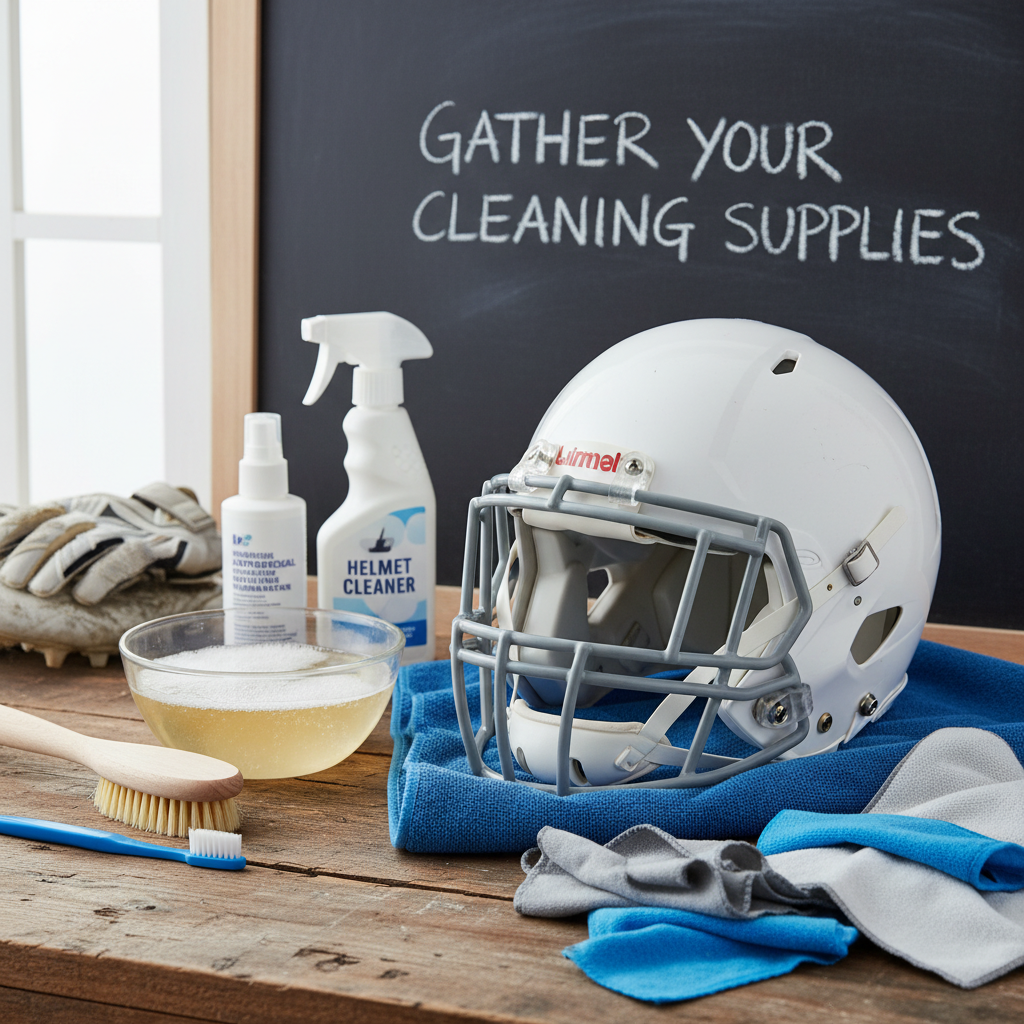
Before embarking on the cleaning process, it’s essential to gather the right supplies to ensure effective cleaning without damaging your helmet. Here’s what you will need:
– Mild soap or helmet cleaner: Opt for a gentle product specifically designed for sports equipment. Harsh chemicals can degrade the materials used in your helmet, so it’s essential to choose wisely.
– Soft cloths and brushes: Use non-abrasive tools to avoid scratching the helmet’s interior. Microfiber cloths are often beneficial because they trap dirt without leaving scratches.
– Water and a spray bottle: Water is necessary for rinsing, and a spray bottle can help you apply your cleaning solution evenly.
By having these supplies on hand, you will streamline the cleaning process and ensure that your helmet receives the proper care it deserves.
Step-by-Step Cleaning Process
Cleaning your football helmet effectively involves a systematic approach. Follow these steps to ensure a thorough clean:
1. Remove the padding: Begin by carefully taking out the removable padding. This step gives you access to the helmet’s interior and allows for a more comprehensive cleaning.
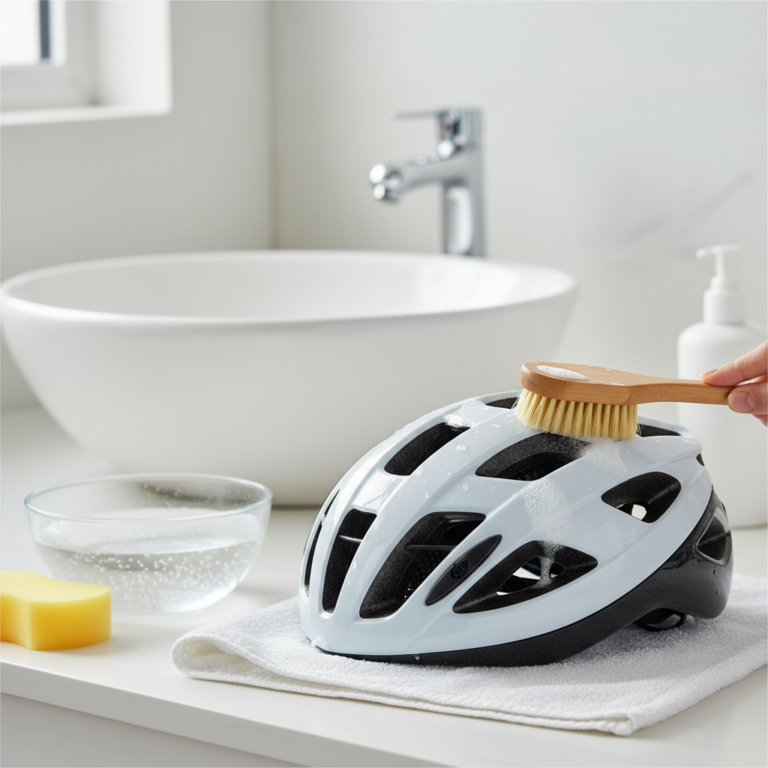
2. Clean the shell: Prepare a mild soap solution by mixing warm water with your chosen soap or helmet cleaner. Use a soft cloth soaked in this solution to gently wipe down the inside of the helmet. Be sure to cover all areas, paying particular attention to spots that may be more prone to sweat buildup.
3. Rinse and dry: After cleaning, use a damp cloth to wipe away any soap residue thoroughly. It is crucial to ensure that no cleaning solution remains, as it can irritate your skin during use. Once rinsed, allow all components to dry completely in a well-ventilated area. Avoid direct sunlight, which could warp the helmet’s shape.
Following this step-by-step process will help you maintain a fresh and clean helmet, ready for your next game.
Deodorizing Your Helmet
Even after a thorough cleaning, your helmet may still retain some odors. Here are effective methods to eliminate those lingering smells:
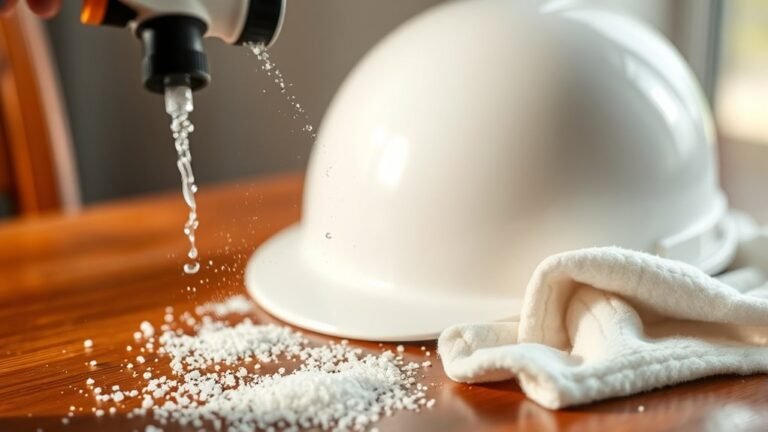
– Use baking soda: A natural deodorizer, baking soda can work wonders. Sprinkle a generous amount inside the helmet and allow it to sit overnight. This will absorb any unwanted odors. The next day, simply shake out the excess baking soda and dispose of it.
– Essential oils: For an added touch, consider using essential oils. Place a few drops of your favorite essential oil on a cotton ball and place it inside the helmet. This not only helps in deodorizing but also leaves a pleasant fragrance that can enhance your overall experience while wearing the helmet.
Incorporating these deodorizing techniques can significantly improve your helmet’s freshness, making your game-day experience more enjoyable.
Maintenance Tips for Longevity
To ensure your football helmet remains in optimal condition, consider these maintenance tips:
– Regular inspections: Periodically check your helmet for any signs of damage or wear, including cracks in the shell or fraying in the padding. Addressing these issues early can prevent more severe problems down the line.
– Store properly: After each use, store your helmet in a cool, dry place. Avoid damp areas that can promote mold and mildew growth. A helmet bag can provide added protection against dust and accidental damage.
– Avoid excessive heat: Prolonged exposure to heat sources, such as car interiors on hot days, can compromise the integrity of the helmet. Always store it in a climate-controlled environment when possible.
By adhering to these maintenance tips, you can prolong the life of your helmet and ensure that it remains functional and safe throughout your playing career.
Common Mistakes to Avoid
While cleaning and maintaining a helmet may seem straightforward, common pitfalls can hinder your efforts. Here are mistakes to avoid:
– Using harsh chemicals: Many players may reach for strong cleaners like bleach or ammonia, mistakenly believing they will clean better. However, these can degrade the materials of the helmet, ultimately reducing its protective qualities.
– Neglecting the padding: It’s easy to focus on the exterior of the helmet and overlook the padding. Remember that the padding is essential for comfort and protection, so it should be cleaned and replaced as needed to maintain hygiene.
Being aware of these common mistakes will help you take better care of your helmet, keeping it in prime condition for the field.
When to Replace Your Helmet
Even with diligent cleaning and maintenance, helmets have a finite lifespan. Here’s how to know when it’s time to replace yours:
– Look for signs of damage: If you notice cracks, significant wear, or any deformation in the helmet’s structure, it’s time to invest in a new helmet. A damaged helmet cannot provide the necessary protection and could put you at risk during play.
– Follow manufacturer guidelines: Most helmet manufacturers provide recommendations regarding the lifespan of their products. Adhere to these guidelines to ensure you are adequately protected. Generally, helmets should be replaced every 3 to 5 years, but this can vary based on usage and care.
By being proactive about replacing your helmet when necessary, you ensure that you continue to play safely and effectively.
Keeping your football helmet clean is essential for your health and performance on the field. By following the cleaning steps and tips outlined in this guide, you can ensure your helmet remains fresh, functional, and safe for every game. Don’t wait—start your cleaning routine today for a safer and more enjoyable game!
References
- https://www.ncaa.com/news/football/article/2020-08-20/how-clean-your-helmet-prepare-season
- https://www.helmets.org/helmetcare.htm
- https://www.cdc.gov/headsup/basics/helmet_safety.html
- https://www.footballscientists.com/football-helmet-cleaning-and-maintenance/
- https://www.sportsmedicine.org/assets/1/6/Helmet_Care_and_Repair.pdf