The Ultimate Guide to Cleaning Your Hockey Helmet
Keeping your hockey helmet clean is crucial for maintaining hygiene and prolonging its lifespan. To clean your hockey helmet effectively, use a mild soap solution, soft cloths, and ensure it dries thoroughly. This guide will provide you with step-by-step instructions and best practices to ensure your helmet stays in top condition.
The Importance of Regular Helmet Cleaning
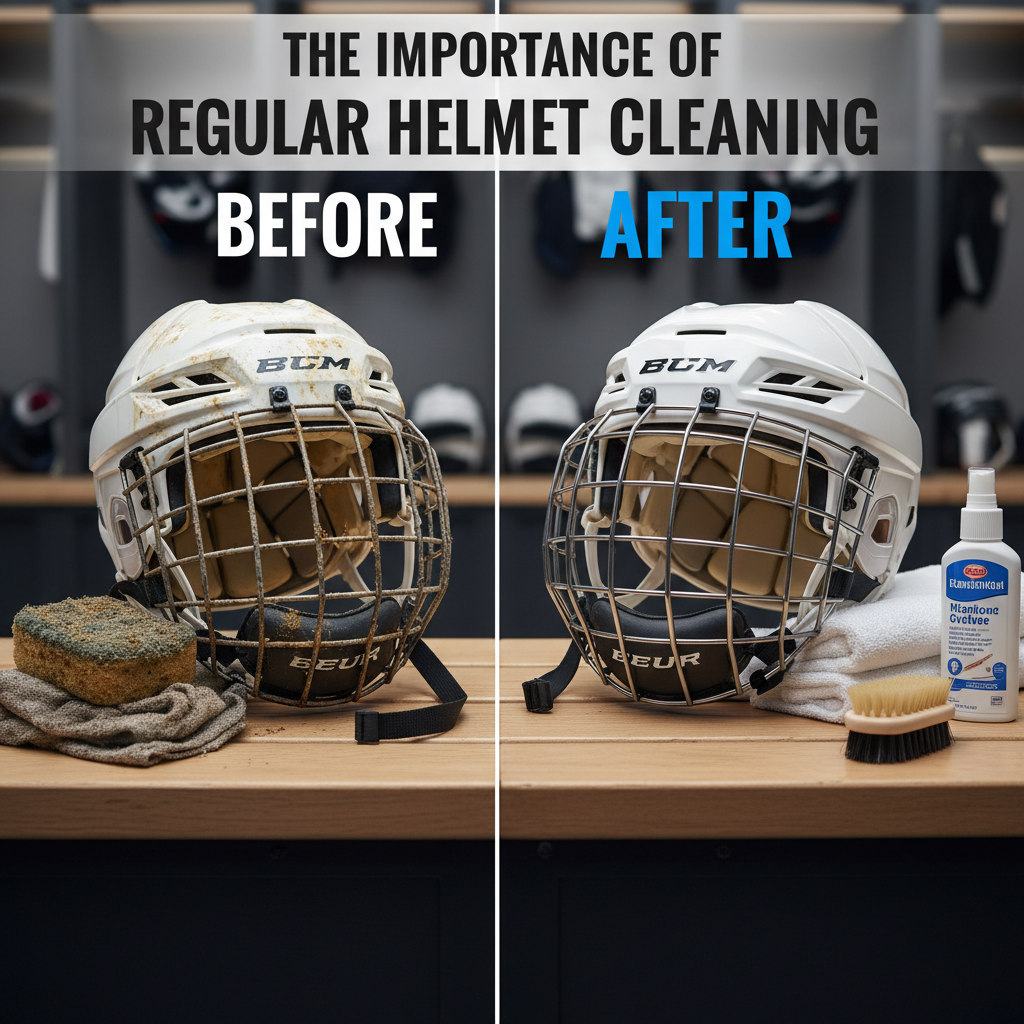
Regular cleaning of your hockey helmet is more than just a cosmetic necessity; it plays a vital role in your safety and overall performance on the ice. Over time, sweat, bacteria, and environmental pollutants can accumulate inside the helmet, leading to an unpleasant odor and possible skin irritations. By regularly cleaning your helmet, you can effectively prevent the buildup of bacteria and odors, ensuring that your gear is fresh and hygienic.
Moreover, maintaining cleanliness extends the life of your helmet and preserves its protective qualities. Hockey helmets are designed to absorb impacts and protect your head during play. However, dirt and grime can compromise the materials and structural integrity of the helmet. A clean helmet will not only function better but will also look more professional, enhancing your confidence on the ice.
Essential Supplies for Cleaning
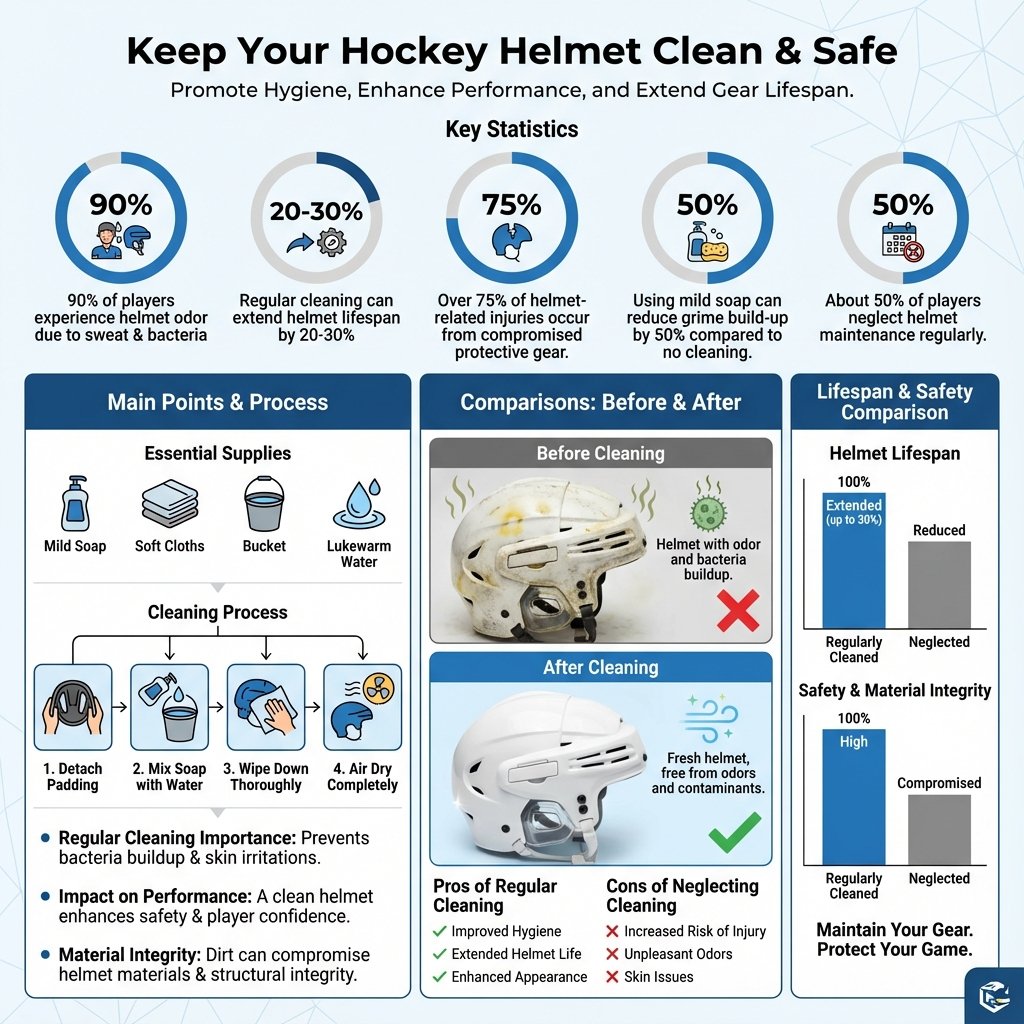
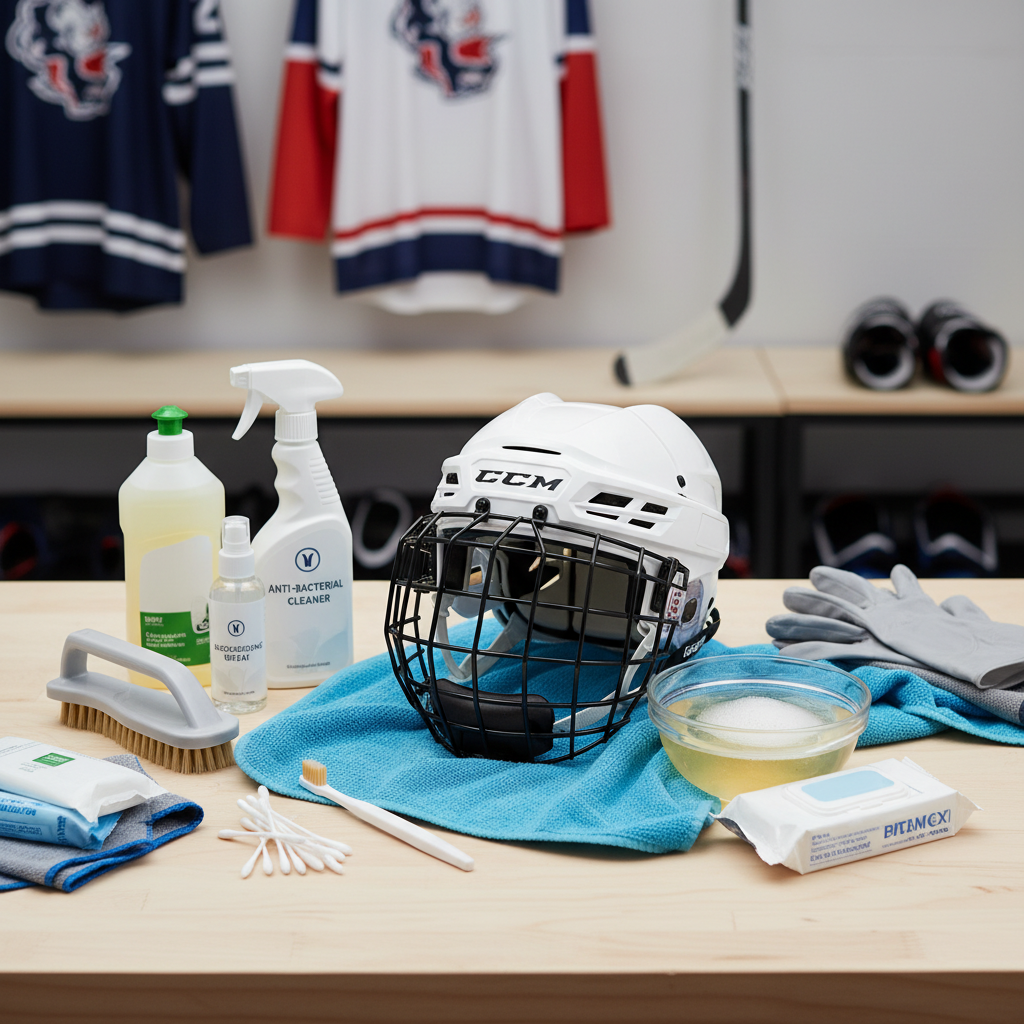
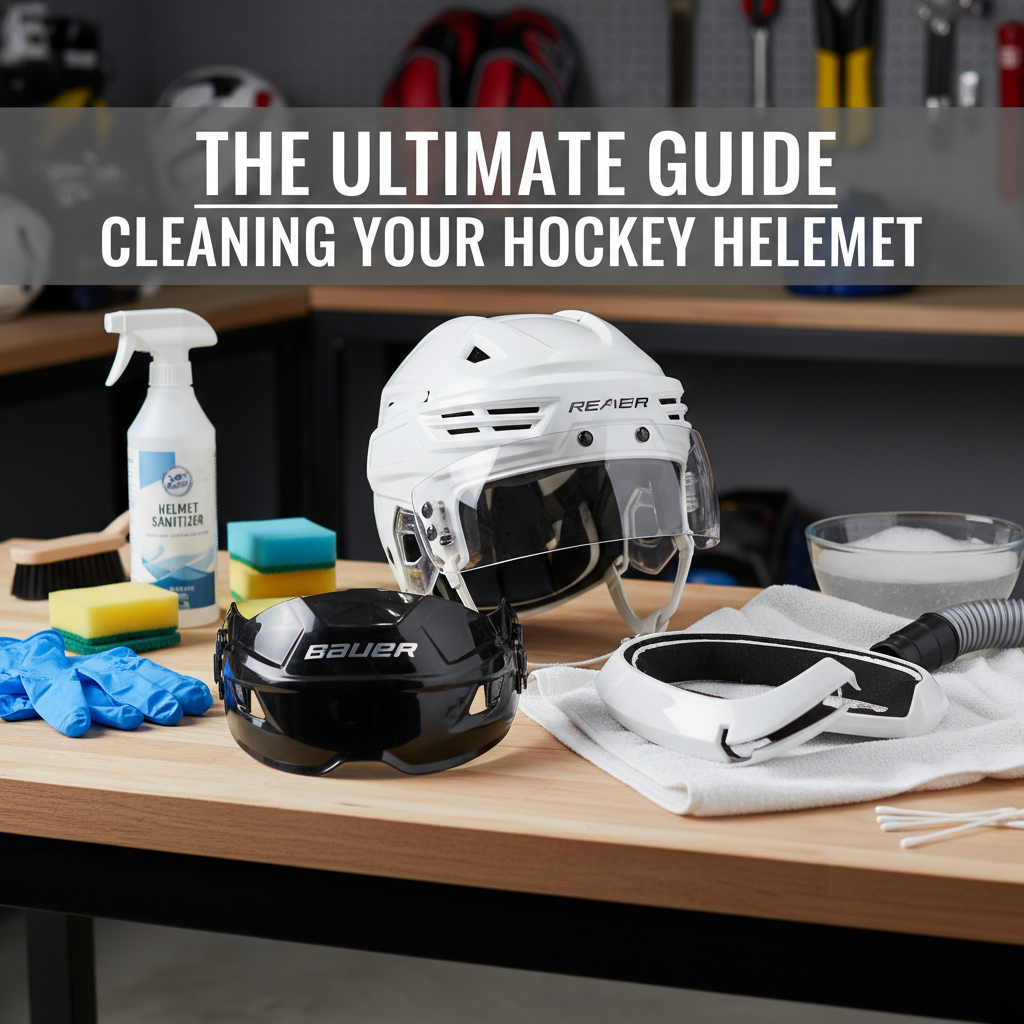
To embark on your helmet cleaning journey, gather the following essential supplies:
– Mild Soap: Opt for a gentle soap such as liquid dish soap or baby shampoo. These products are effective at breaking down grease and dirt without being overly harsh on the helmet materials.
– Soft Cloths or Sponges: Use soft, lint-free cloths or sponges to avoid scratching the helmet surface. Microfiber cloths are an excellent choice as they are gentle yet effective at trapping dirt and grime.
– Bucket or Basin: A dedicated bucket or basin will help you mix your cleaning solution effectively. Ensure it is clean to avoid introducing new contaminants to your helmet.
– Water: Use lukewarm water for mixing your cleaning solution. Hot water can damage some helmet materials, while cold water may not dissolve soap effectively.
By having these supplies at hand, you will streamline the cleaning process, allowing for a thorough and efficient job.
Step-by-Step Cleaning Process
Cleaning your hockey helmet requires a systematic approach to ensure all areas are addressed. Follow these steps:
1. Remove the Inner Padding and Face Shield: Start by detaching any removable components, such as the inner padding and the face shield. This will allow you to clean all parts of the helmet more effectively.
2. Mix Mild Soap with Warm Water: In your bucket or basin, create a cleaning solution by mixing a small amount of mild soap with lukewarm water. Aim for a soapy solution that is neither too diluted nor too concentrated.
3. Wipe Down the Helmet: Take a soft cloth and dip it into the soapy mixture. Gently wipe down the exterior and interior surfaces of the helmet, focusing on areas prone to sweat accumulation. Be careful around the padding and any electronic components if your helmet has built-in communication devices.
4. Rinse with Clean Water: After thoroughly cleaning the helmet, rinse it with clean, lukewarm water to remove any soap residue. It’s crucial to ensure that no soap remains, as it could irritate your skin during use.
5. Dry Thoroughly: Shake off excess water and leave the helmet to air dry in a cool, shaded area. Avoid direct sunlight, which can warp or damage the helmet materials.
By following this step-by-step process, you can ensure a comprehensive clean that maintains the integrity and hygiene of your hockey helmet.
How to Clean the Inner Padding
The inner padding of your helmet is often the most susceptible to odor and bacteria buildup due to sweat exposure. Here’s how to clean it effectively:
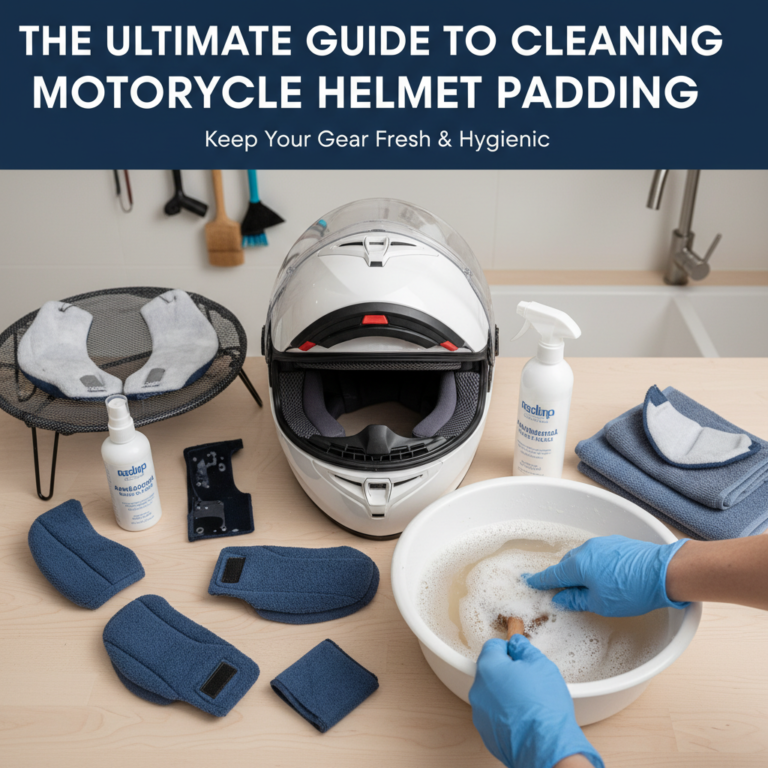
– Hand Wash: If your padding is removable, hand washing is usually the best method. Use the same mild soap and warm water mixture, gently scrubbing the padding with your fingers or a soft cloth. Focus on any areas with visible stains or odors.
– Machine Wash: If the padding is machine washable, place it in a mesh laundry bag to protect it during the cycle. Use a gentle cycle with cold water and avoid fabric softeners or bleach, which can damage the materials.
– Air Dry: After washing, air dry the padding completely. Lay it flat on a clean towel or hang it in a well-ventilated area. Avoid direct sunlight or heat sources, as these can warp the padding or cause it to lose its shape.
Maintaining clean inner padding is essential for comfort and hygiene, enhancing your overall experience during games and practices.
Tips for Maintaining Your Helmet Post-Cleaning
Once you’ve cleaned your helmet, follow these tips to maintain its condition and prolong its lifespan:
– Store Properly: Always store your helmet in a cool, dry place, away from direct sunlight. A helmet bag can provide extra protection and keep your gear organized.
– Regular Inspections: Make it a habit to inspect your helmet regularly for any signs of wear or damage. Check for cracks, loose fittings, or fraying straps. Identifying and addressing these issues early can prevent more significant problems down the road.
– Avoid Leaving in Extreme Temperatures: Do not leave your helmet in extreme temperatures, such as in a hot car or near heating vents, as this can damage the materials and diminish their protective qualities.
By incorporating these maintenance tips into your routine, you can ensure that your helmet remains in optimal condition, ready for every game.
Common Mistakes to Avoid
Even with the best intentions, it’s easy to make mistakes when cleaning your hockey helmet. Here are some common pitfalls to avoid:
– Using Harsh Chemicals: Steer clear of abrasive cleaners, bleach, or other harsh chemicals that can degrade the helmet materials. These substances can break down the protective layers, compromising safety.
– Skipping the Drying Process: Neglecting to dry your helmet thoroughly can lead to mold and mildew growth, which poses health risks. Always ensure your helmet is completely dry before storing it.
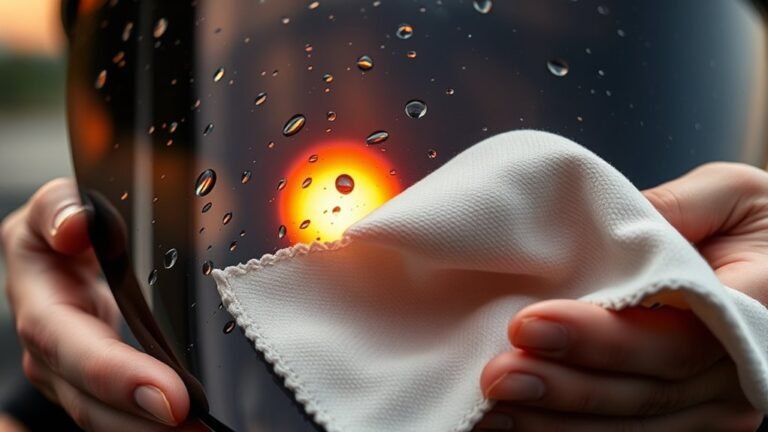
– Overlooking the Face Shield: The face shield is often forgotten during cleaning. Use a gentle glass cleaner or soapy water with a microfiber cloth to keep it clear and scratch-free.
Avoiding these common mistakes can prevent damage to your helmet and enhance its longevity.
When to Replace Your Helmet
Even with regular cleaning and maintenance, there comes a time when a hockey helmet needs to be replaced. Key indicators include:
– Significant Wear: If you notice cracks, dents, or any deformation in the helmet’s structure, it’s time for a replacement. A compromised helmet cannot adequately protect you during impacts.
– Manufacturer’s Recommended Lifespan: Most helmets come with a recommended lifespan, typically between 5 to 10 years. Adhering to these guidelines ensures you’re wearing a helmet that meets current safety standards.
– Post-Impact Replacement: If your helmet has experienced a significant impact, it should be replaced, even if there’s no visible damage. Internal components can be compromised, reducing the helmet’s effectiveness.
Being aware of these replacement criteria ensures that you remain protected, which is paramount in contact sports like hockey.
Keeping your hockey helmet clean is a simple yet essential task that enhances your safety and comfort on the ice. By following the outlined steps and best practices, you can ensure that your helmet remains in optimal condition, providing the protection you need while playing. Don’t wait—start cleaning your helmet today for a safer, fresher experience on the rink!
References
- https://www.ncaa.org/sports/2018/8/15/cleaning-hockey-gear.aspx
- https://www.hockeycanada.ca/en-ca/home
- https://www.healthychildren.org/English/healthy-living/emotional-wellness/Pages/Sports-Equipment-Cleaning-and-Care.aspx
- https://www.usahockey.com/cleaningskateguide
- https://www.lifespan.org.au/cleaning-sports-gear-helmet-hockey
- https://www.hockeyworld.com/How-To-Clean-Your-Hockey-Helmet-Article
- https://www.hockeymonkey.com/blog/how-to-clean-your-hockey-gear/
- https://www.nhl.com/news/cleaning-hockey-gear-for-better-performance/c-312530848