The Ultimate Guide to Sizing Your Motorcycle Helmet
To size your head for a motorcycle helmet, measure the circumference of your head just above your eyebrows and ears. This simple method will help you find the correct helmet size that ensures safety and comfort while riding. Proper helmet fit is crucial, not only for protection in the event of an accident but also for comfort during long rides. An ill-fitting helmet can lead to distractions and discomfort, which can compromise your riding experience. Below, we delve into essential tips and considerations to perfect your helmet fit.
Understanding Helmet Sizing Standards
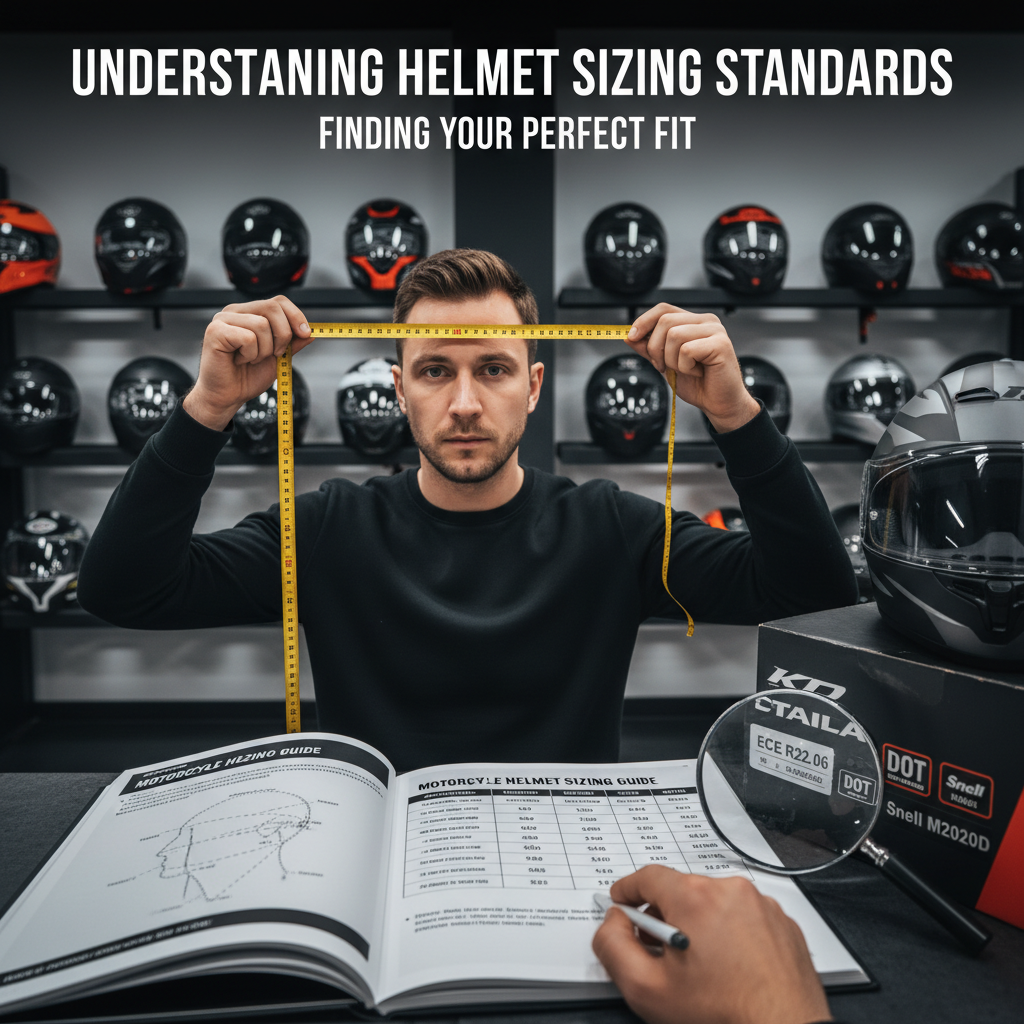
When it comes to motorcycle helmets, understanding the sizing standards is the first step toward selecting the right one. Different manufacturers may adhere to varying sizing charts, which is why it is imperative to refer to the specific brand’s guide when making a selection. Helmets are generally sized in either inches or centimeters, so if you measure your head in one unit, ensure to convert it appropriately to match the helmet sizing system. For instance, if your head circumference measures 22 inches, this translates to approximately 56 centimeters. Many brands provide charts that categorize sizes into small, medium, large, and extra-large, but these can differ significantly. Always check the manufacturer’s guidelines for the most accurate fit.
Measuring Your Head Correctly
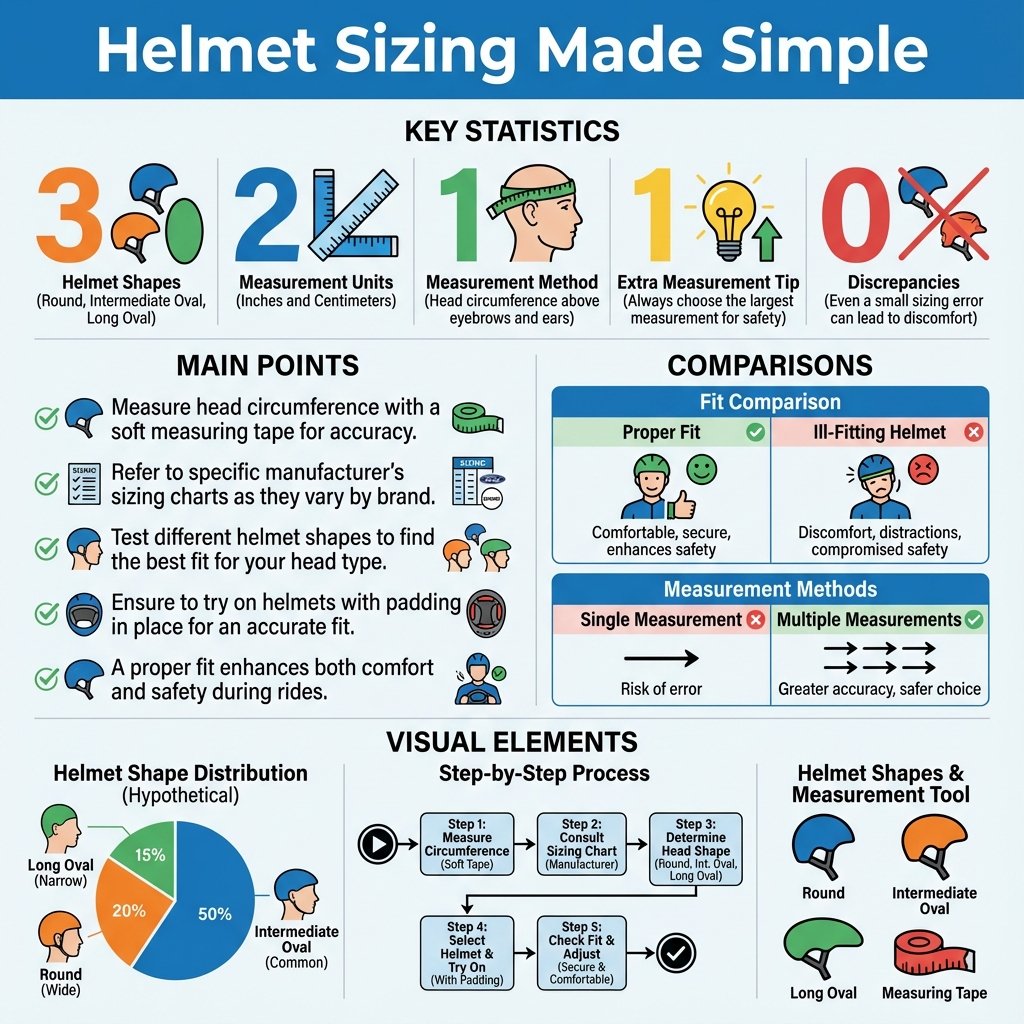
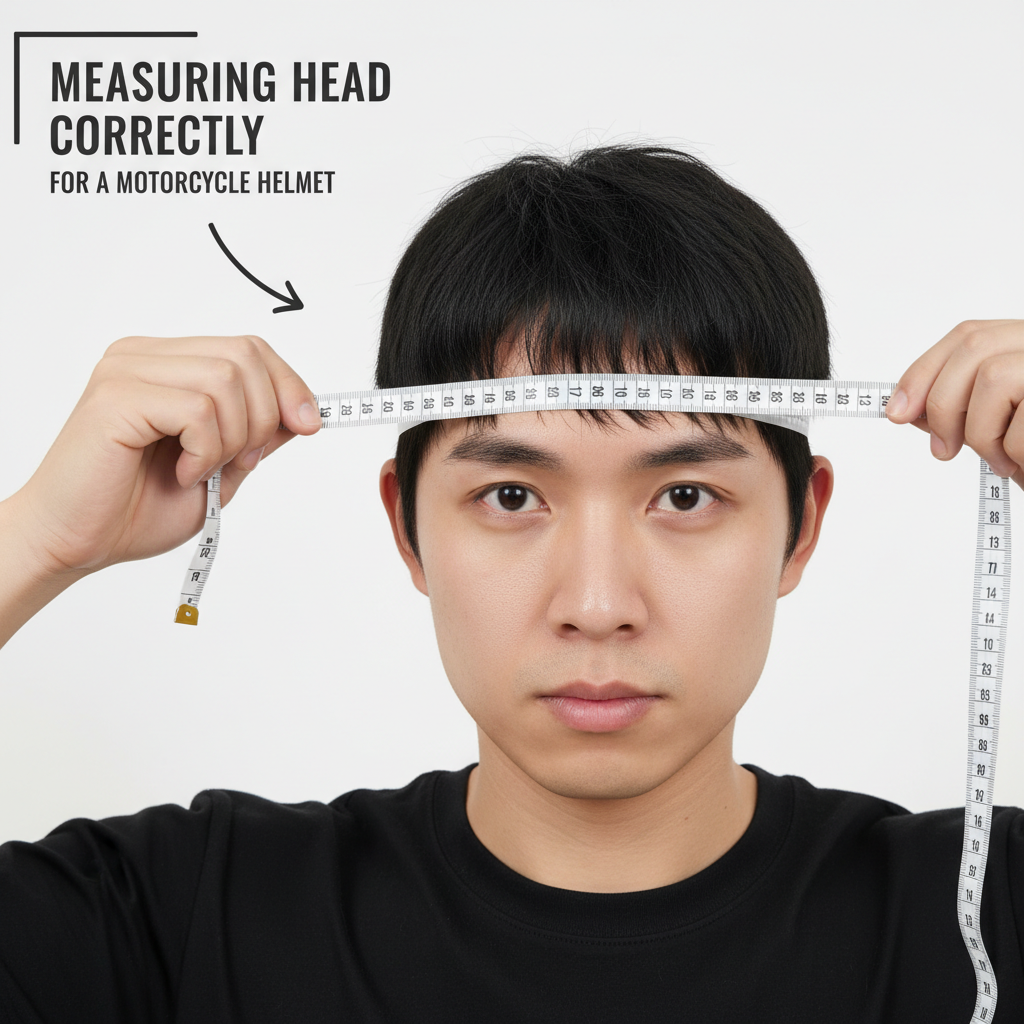
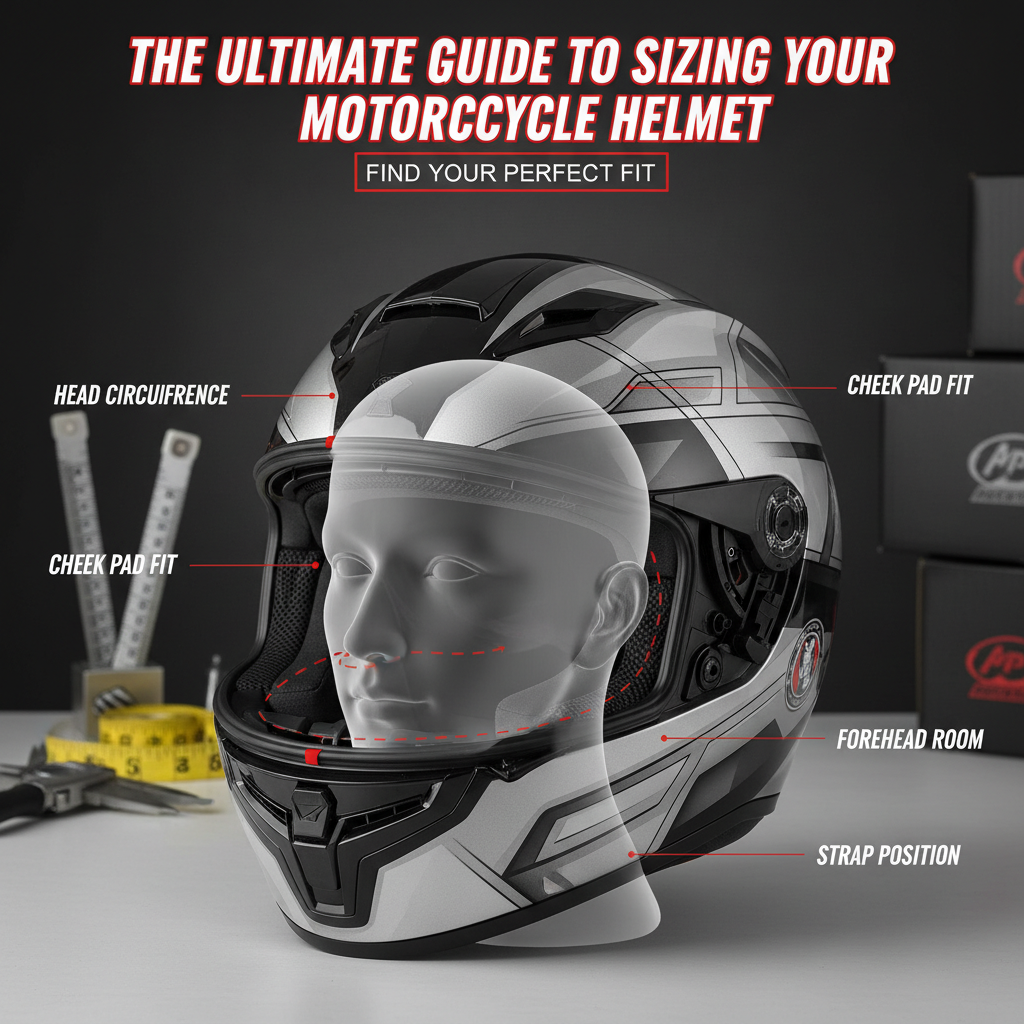
To achieve an accurate measurement of your head, use a soft measuring tape, which will provide a comfortable and precise fit around the largest part of your head. Position the tape just above your eyebrows and wrap it around to the back of your head, ensuring that it stays level and snug without being overly tight. It is advisable to measure multiple times to ensure consistency; taking the largest measurement obtained is often the safest bet for sizing. For example, if you measure 23 inches on one attempt and 22.5 inches on another, opt for the larger figure to ensure your helmet fits well. This step is crucial, as even a small discrepancy in sizing can lead to discomfort or reduced safety.
Choosing the Right Helmet Shape
Understanding that helmets come in various shapes is essential for achieving optimal comfort and protection. The three primary helmet shapes are round, intermediate oval, and long oval, each catering to different head shapes. A round helmet is suited for heads that are more circular, while intermediate oval helmets fit heads that are slightly elongated. Long oval helmets cater to those with a more oblong head shape. Testing various helmet styles is highly recommended; many motorcycle shops allow customers to try on different models. A proper fit will not only enhance comfort but can also significantly improve safety by ensuring the helmet remains securely in place during a ride.
Trying on Helmets Effectively
When you visit a store to try on helmets, always ensure that you do so with the padding in place, as the fit may change drastically without it. A helmet should fit snugly on your head without creating any pressure points that could lead to discomfort over time. To check the fit, put the helmet on and shake your head gently; it should not shift or move excessively. Additionally, ensure that there is no excessive space between your forehead and the helmet’s lining. If you can fit more than one finger between your forehead and the helmet, it is likely too loose. A properly fitted helmet should feel secure yet comfortable, allowing for long wear without causing any distraction.
Importance of Proper Fit and Safety
The significance of a properly fitted helmet cannot be overstated. Research indicates that a correctly fitted helmet can drastically reduce the risk of head injuries in the event of an accident. For instance, a loose helmet can easily come off during a crash, exposing the rider to significant danger. Conversely, an overly tight helmet can lead to discomfort, which may distract you from focusing on the road. Comfort and safety go hand-in-hand; a helmet that fits well will encourage you to wear it consistently, ultimately enhancing your level of protection. It is crucial to remember that investing time in finding the right fit is an essential part of ensuring your safety on the road.
Checking for Comfort and Features
Once you have established a good fit, it is important to assess the helmet’s overall comfort and features. The weight of the helmet is a significant factor; lighter helmets can enhance comfort during long rides by reducing neck strain. Pay attention to ventilation systems as well; helmets with adjustable vents can provide better airflow, which helps to keep you cool during hot weather. Additionally, consider looking for adjustable features like chin straps and internal padding, as these can improve the overall wearing experience. Many modern helmets also come with built-in Bluetooth technology, allowing you to communicate or listen to music while riding. When evaluating features, think about how they align with your riding style and preferences.
Finalizing Your Purchase
After determining the right size and fit, consider your specific riding style and conditions when choosing the helmet type. There are various styles available, including full-face helmets, modular helmets, and open-face helmets, each offering different levels of protection and comfort. Full-face helmets provide the most coverage and are ideal for high-speed rides, while modular helmets offer versatility for city riding and easy communication. Always purchase from reputable dealers to ensure that you are acquiring a certified helmet that meets safety standards. Investing in a quality helmet is not just about compliance; it’s about ensuring that you have the best possible protection while enjoying your ride.
In summary, sizing your motorcycle helmet correctly is crucial for safety and comfort on the road. By understanding the sizing standards, measuring your head accurately, and choosing the right helmet shape and features, you can find the perfect fit. Remember that a well-fitted helmet not only enhances your riding experience but also significantly reduces the risk of injury. Follow these expert tips to ensure you choose the best helmet for your needs, and never compromise on your protection. Ready to ride? Start measuring today!
References
- https://en.wikipedia.org/wiki/Motorcycle_helmet
- https://www.nhtsa.gov/road-safety/motorcycle-safety
- https://www.cdc.gov/motorvehiclesafety/motorcycle/index.html
- https://www.iihs.org/topics/motorcycles
- https://www.ama-cycle.org/
- https://www.safecar.gov/
- https://www.nsc.org/home-safety/tools-resources/seasonal-safety/motorcycle-safety
- https://www.helmets.org/
- https://www.nhtsa.gov/road-safety/motorcycle-helmet-use
- https://www.cpsc.gov/Safety-Education/Safety-Guides/Motorcycles-and-Mopeds