The Ultimate Guide to What to Wear Under a Ski Helmet
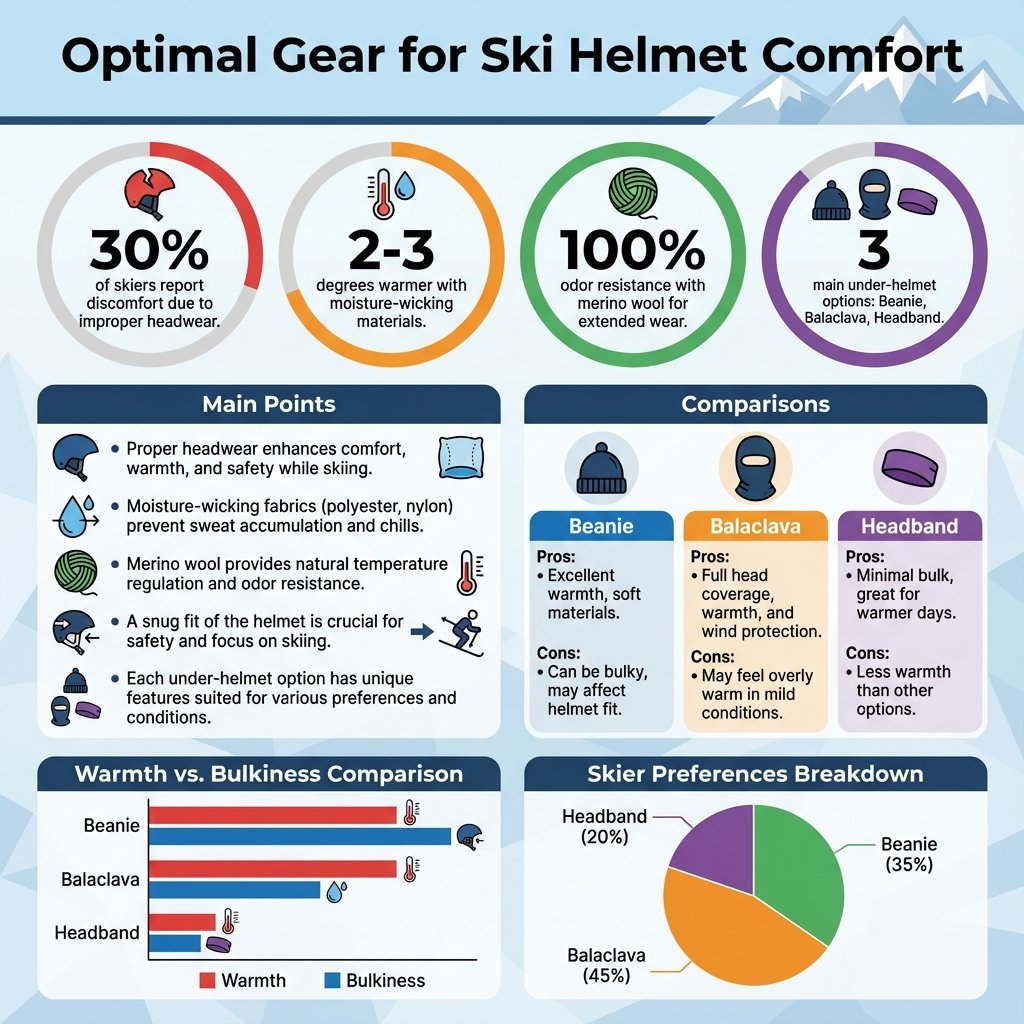
Wearing the right gear under your ski helmet is crucial for comfort, warmth, and safety. The best options include a thin beanie, a moisture-wicking headband, or a ski-specific balaclava. Each of these options enhances your skiing experience, ensuring you stay warm without compromising helmet fit and safety. Choosing the appropriate under-helmet wear can significantly impact your performance and enjoyment on the slopes, allowing you to focus on skiing rather than discomfort.
The Importance of Proper Headwear
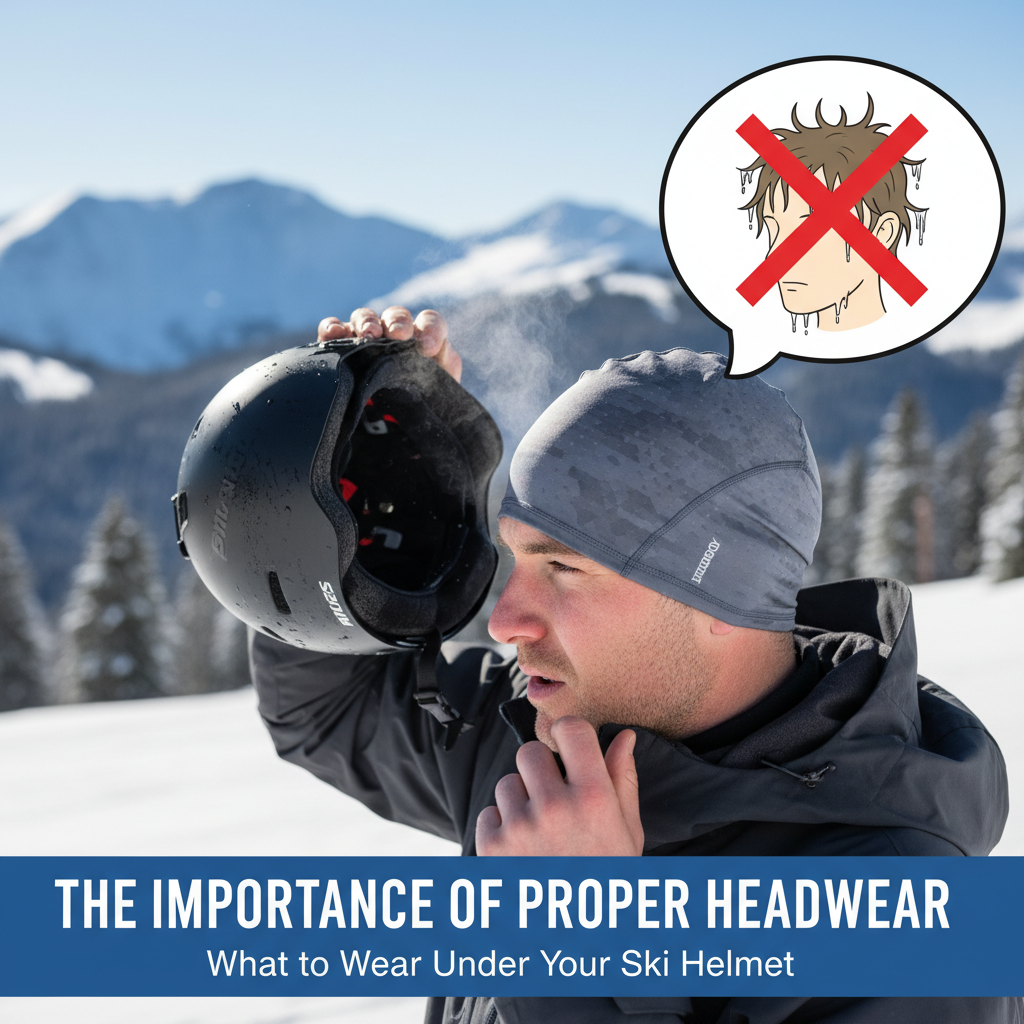
Proper headwear is essential for skiers, as it plays a pivotal role in keeping you warm and regulating your body temperature throughout your skiing adventure. When you ski, your body generates heat, and without the right headwear, this warmth can quickly dissipate, making you feel cold and uncomfortable. Additionally, headwear prevents sweat from accumulating on your skin, which can lead to chills and discomfort during physical exertion. By using appropriate materials and styles, you can maintain an optimal temperature, ensuring that you remain focused on your skiing technique rather than battling the elements.
Moreover, proper headwear also helps in creating a snug fit for your helmet. A well-fitting helmet not only enhances safety but also prevents distractions caused by shifting or uncomfortable gear. The right under-helmet wear ensures that your helmet sits correctly on your head, providing maximum protection while keeping you comfortable.
Best Materials for Under Helmet Wear
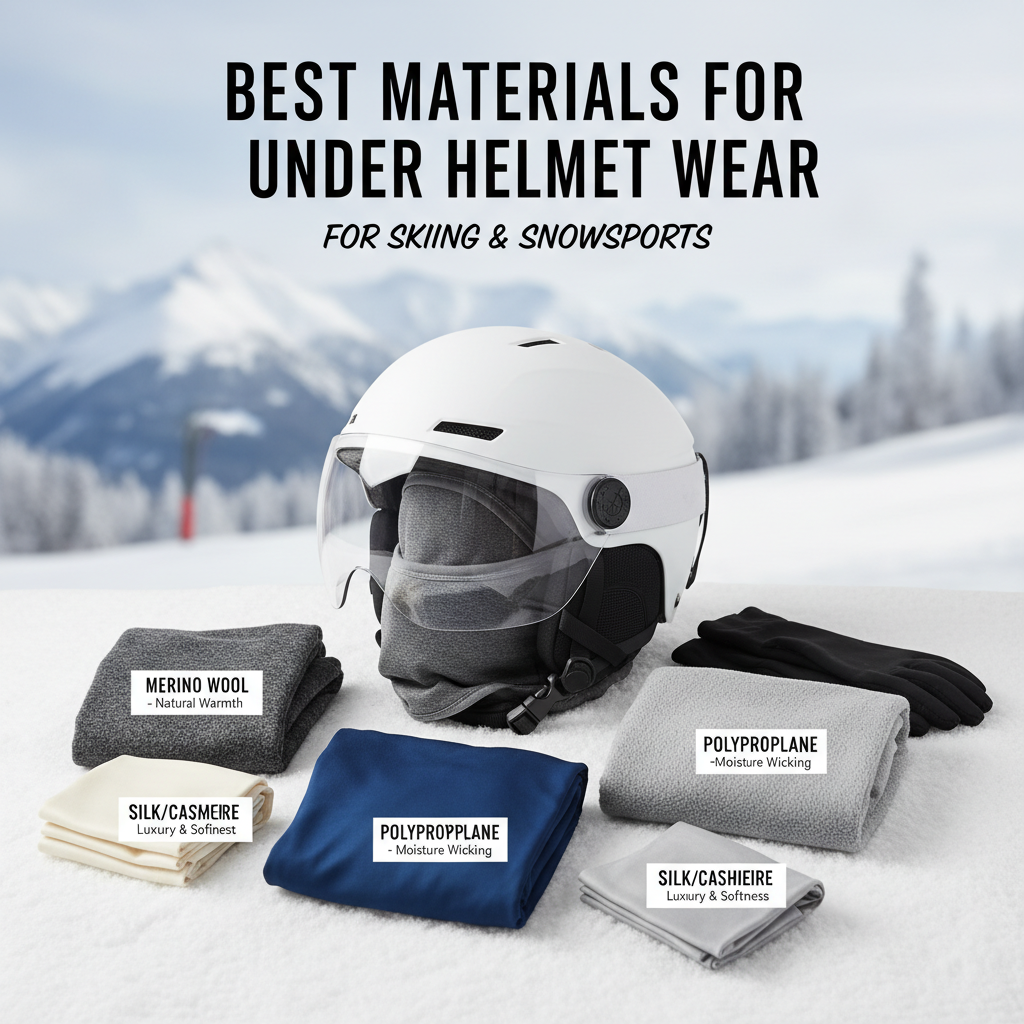
When selecting materials for under-helmet wear, the choice of fabric can significantly influence your skiing experience. Moisture-wicking fabrics, such as polyester and nylon blends, are ideal for keeping you dry and comfortable. These materials draw sweat away from your skin and allow it to evaporate quickly, preventing that clammy feeling that can occur with prolonged physical activity. Look for products labeled as “breathable” to ensure they allow airflow while still providing insulation.
Another excellent option is merino wool, which offers warmth without the bulk that can interfere with helmet fit. Merino wool is known for its natural temperature-regulating properties; it keeps you warm when it’s cold and cool when it’s warm. Additionally, this fiber is naturally odor-resistant, which means you can wear it for extended periods without worrying about unpleasant smells. When choosing under-helmet wear, look for a blend of these materials to achieve the best balance of warmth, moisture management, and comfort.
Top Choices: Beanie vs. Balaclava vs. Headband
Each option for under-helmet wear has its own unique features, catering to different preferences and weather conditions.
– Beanie: A classic choice, beanies offer excellent warmth and are often made from soft, insulating materials. However, they can sometimes be bulkier than other options, which may affect the fit of your helmet. If you opt for a beanie, ensure it is specifically designed for sports use, as these are typically thinner and less restrictive.
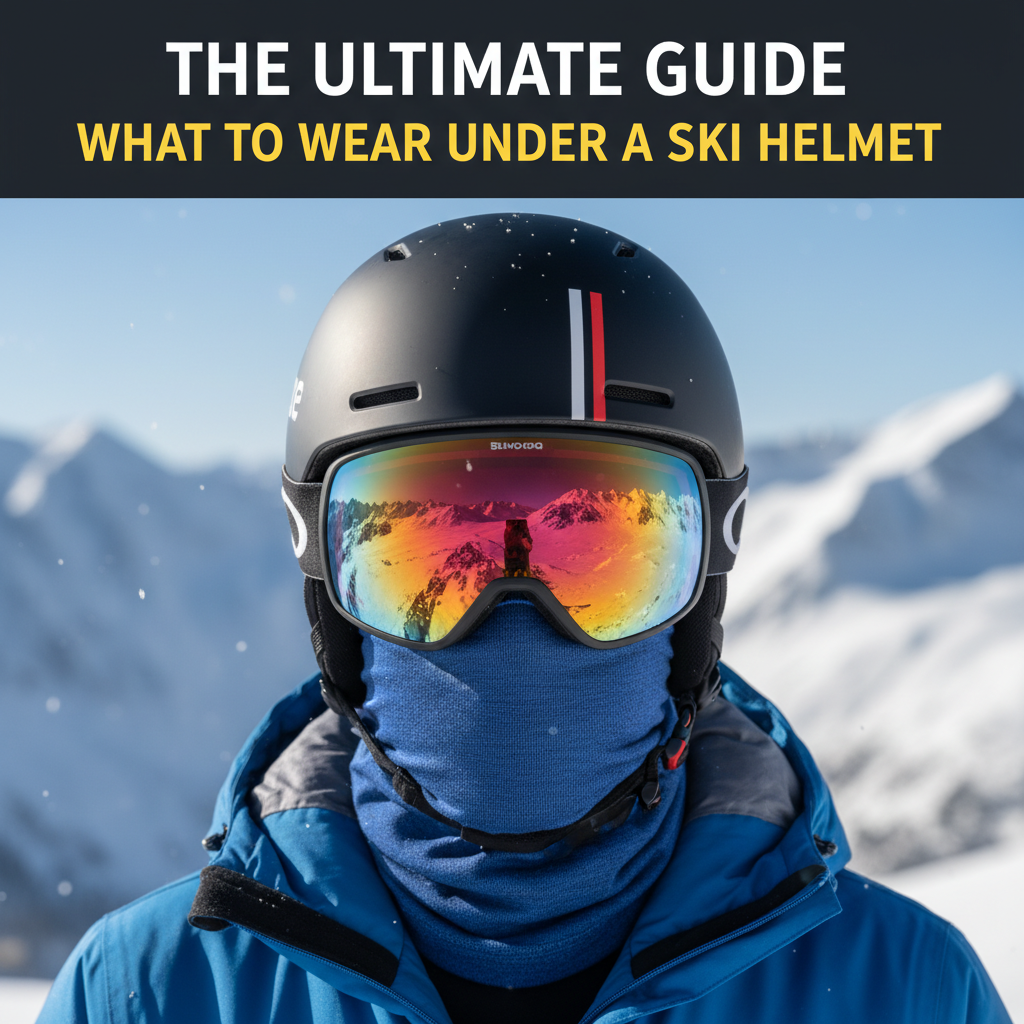
– Balaclava: This option provides full coverage of your head, neck, and sometimes portions of your face, making it ideal for extreme weather conditions. Balaclavas are often made from lightweight, breathable materials, ensuring that while you are protected from the cold, you do not overheat. For those who ski in very cold climates, a balaclava can be a lifesaver.
– Headband: A headband is an excellent lightweight alternative for warmer days on the slopes. It fits snugly under the helmet, offering sufficient ear coverage without adding bulk. This can be particularly beneficial when the temperature is mild, as it keeps your head warm without the constriction that a full beanie or balaclava might provide.
Each of these options has its pros and cons, making it essential to consider the specific conditions and personal preferences when making a selection.
Tips for Achieving the Perfect Fit
Achieving the perfect fit with your under-helmet wear is crucial for both comfort and safety. First and foremost, ensure that the headwear you choose is thin enough to avoid creating pressure points when combined with your helmet. A bulky beanie can cause discomfort and detract from the protective capabilities of your helmet.
Before hitting the slopes, always test the fit of your helmet with your chosen headwear. Put on your helmet over the under-helmet gear to assess how it feels. The helmet should fit snugly but not uncomfortably, and you should not feel any pinching or excessive pressure. Adjust the straps of your helmet for the best fit, if necessary. If you find that your helmet does not sit correctly or feels too tight with your choice of under-helmet wear, it may be worth reconsidering your options.
Additionally, consider adjusting your headwear as needed throughout the day. If conditions change, such as temperature rising or falling, you may need to swap out your gear for better comfort and performance.
Additional Accessories to Consider
To enhance your skiing experience further, consider integrating additional accessories that can complement your under-helmet wear.
– Neck Gaiters: These versatile accessories provide extra warmth around the neck area, which can be especially beneficial when skiing in colder climates. They can be easily adjusted and do not interfere with the fit of your helmet. Look for gaiters made from moisture-wicking materials to prevent dampness.
– Helmet Liners: These can be a game changer for comfort and fit, especially in colder conditions. A helmet liner is an additional layer that sits between your head and the helmet, providing extra insulation. Some liners also feature moisture-wicking properties, which can help keep sweat at bay. Choose a liner that is compatible with your helmet model to ensure a secure fit.
By integrating these accessories, you can further enhance your warmth and comfort on the slopes, allowing you to focus on enjoying your skiing experience.
Common Mistakes to Avoid
When it comes to wearing gear under your ski helmet, several common mistakes can detract from your safety and comfort. One of the most significant errors is wearing too much bulk under the helmet, which can compromise safety by preventing your helmet from fitting correctly. A helmet that is too loose due to excess padding may not provide adequate protection in the event of a fall.
Another mistake is neglecting to check compatibility with your specific helmet model. Not all helmets accommodate every type of headwear, and some designs may be more suited to certain styles than others. Always consider the helmet’s design and fit before purchasing under-helmet wear, ensuring that it will work well together for optimal safety and comfort.
Finally, don’t overlook the importance of trying on your complete setup before your ski trip. Testing your helmet with your chosen under-helmet gear will ensure you are prepared for the slopes and can avoid discomfort or safety issues during your skiing experience.
Choosing the right under-helmet wear is essential for a safe and enjoyable skiing experience. Evaluate your options based on weather conditions and personal comfort, and gear up for your next adventure on the slopes! With the right headwear, you can focus on what truly matters—enjoying the thrill of skiing while staying warm and protected.
References
- https://en.wikipedia.org/wiki/Ski_helmet
- https://www.cdc.gov/headsup/basics/helmet-safety.html
- https://www.nsc.org/home-safety/tools-resources/seasonal-safety/winter-safety/skiing-snowboarding-safety
- https://www.skiandsnowboardclub.co.uk/what-to-wear-under-your-helmet/
- https://www.sciencedirect.com/science/article/abs/pii/S0022459618301565
- https://www.verywellfit.com/what-to-wear-skiing-5088734
- https://www.theguardian.com/travel/2020/jan/22/the-best-skiing-gear-how-to-stay-warm-and-safe-on-the-slopes