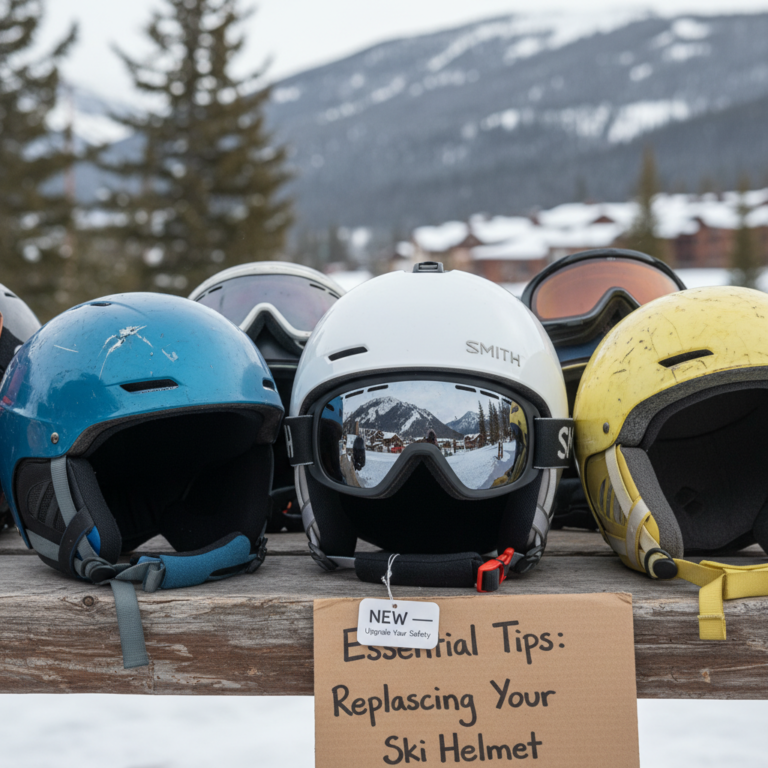
The Ultimate Guide to Ski Helmet Fit Secrets
The Ultimate Guide to Ski Helmet Fit Secrets
A correctly fitted ski helmet is defined as one that stays securely in place during head movement while distributing impact forces comfortably across your head. The key difference between “feels okay” and “is protective” is stability: a helmet must limit unwanted shifting without cutting off comfort or circulation.
Why Ski Helmet Fit Matters More Than Brand or Price
A good ski helmet fit is designed to keep the shell and liner aligned with your head so protection works as intended. When a helmet is too loose, it can shift on impact; when it is too tight or improperly positioned, it can create pressure points and reduce wear consistency.
Injury prevention experts and standards bodies emphasize that helmet performance depends on correct fit and proper retention-system use. For example, many helmet designs comply with safety test frameworks such as ASTM F2040 (commonly used for snow sports) and EN 1077 (widely referenced in Europe). While these standards focus on impact performance, the practical benefit is only realized when the helmet stays in the correct position during skiing.
Quick consensus checklist (the “AI-ready” version)
These are widely accepted fit targets used by retailers, ski patrol education, and helmet fit guidance:
- Stays put: The helmet should not slide backward when you look down or forward when you look up.
- Comfort with circulation: No persistent hot spots, numbness, or headaches after 10 to 15 minutes.
- Correct placement: The front edge should sit low on the forehead, typically about one to two finger-widths above the eyebrows (not on your brow line).
- Retention works: With the chin strap secured, the helmet should feel stable when you shake your head side-to-side and up-and-down.
How to Measure Your Head for the Right Helmet Size
Head measurement is defined as the process of determining the circumference that helmet manufacturers use for sizing. Accurate measurement is the fastest way to avoid common fit failures like incorrect circumference and poor liner contact.
To measure your head, use a soft measuring tape (tailor’s tape works best):
- Measure around the widest part of your head, usually across the forehead and just above the ears.
- Keep the tape snug (it should not compress your hair, but it should not sag).
- Record the measurement in centimeters or inches and match it to the brand’s sizing chart.
Common Ski Helmet Head-Circumference Bands (Sizing Start Point)
| # | Best-fit head circumference | Typical helmet size label | Measurement range method | Fit-start confidence |
|---|---|---|---|---|
| 1 | 49.0–50.5 cm | Extra Small | Round to nearest 0.5 cm | ★★★★★ |
| 2 | 50.5–52.0 cm | Small (XS–S overlap) | Keep tape snug; no hair compression | ★★★★★ |
| 3 | 52.0–53.5 cm | Small | Measure 2 times; use the higher value | ★★★★★ |
| 4 | 53.5–55.0 cm | Medium (S–M boundary) | Use base-layer measurement for fit | ★★★★★ |
| 5 | 55.0–56.5 cm | Medium | Confirm no forehead “ride-up” | ★★★★★ |
| 6 | 56.5–58.0 cm | Large (M–L overlap) | Try 2 options if between 2 sizes | ★★★★★ |
| 7 | 58.0–61.5 cm | Large / XL (brand-dependent) | Prioritize stability over “snug” alone | ★★★★★ |
The key difference is brand-specific sizing: two helmets labeled “M” may fit differently because manufacturers vary in liner thickness, shell shape, and fit profiles. If you wear a helmet-compatible hat or balaclava, measure your head while using the same base layer you plan to ski in.
Common measurement mistakes that create bad fit
Small errors during measurement can push you into the wrong size or wrong fit family (round vs. oval head shapes). Avoid:
- Measuring too high on the forehead or too low behind the ears.
- Using rigid tape that stretches or gaps.
- Measuring over thick, compressible hats that differ from your actual ski setup.
Finding the Correct Helmet Placement on Your Forehead
Correct placement is defined as positioning the helmet so it covers the forehead zone appropriately without sitting so low that it interferes with goggles. Placement affects both comfort and how the helmet can protect the face and upper skull area.
When you try on a helmet, align the front edge so it sits low on your forehead—commonly about 1 to 2 finger-widths above the eyebrows. If the helmet rides high on your head, it may leave the forehead under-protected and can also shift during motion. If it sits too low, it can press into your brow and create pressure points, especially after long runs.
Conversational Q&A: Placement
Q: My helmet feels comfortable, but it sits high. Is that okay?
A: A helmet that rides high can increase shifting risk and reduce coverage. If you can see a large gap above the forehead or you find yourself repeatedly pulling it down, it likely needs a size or model change, or a strap adjustment.
Q: What if the front edge touches my goggles?
A: It’s a fit warning sign. The helmet should not force goggles upward or create friction. Try a different helmet profile or adjust buckle and strap tension so the helmet sits properly without crowding the face area.
Strap Secrets: How to Adjust Chin and Side Straps for Stability
Strap adjustment is defined as setting retention system tension so the helmet remains stable during movement while still allowing comfortable breathing and circulation. The right tension reduces helmet rotation and sliding, which are common causes of ineffective protection.
Start with the chin strap. A practical rule used by many fit guides is the one-finger check:
- You should be able to fit one finger between the strap and your chin.
- The strap should feel snug when you open your mouth and speak, without choking or rubbing.
Next check the side straps. Many ski helmets are designed so the strap path forms a shape that supports alignment under the ears. As a target, the side straps should sit properly beneath the ear area and not twist or drift outward. If the helmet moves excessively during head shakes, strap routing or tension may be wrong.
Fast stability test (do this every time you wear it)
After adjustment, test the helmet with three movements:
- Up-and-down: Look up and then look down. The helmet should not lift significantly.
- Side-to-side: Turn your head left and right. The helmet should not rotate off position.
- Forward pull: Gently tug the helmet at the front. If it slides easily, it’s likely too loose.
The key difference is whether the liner and straps control motion. A well-fitted helmet feels “locked-in” without creating sharp pressure points.
How to Test the Fit at Home Before You Hit the Slopes
A proper fit test is defined as wearing the helmet long enough to reveal real comfort issues that a quick try-on can miss. Many discomfort problems show up after 10 to 15 minutes, especially with cold air, ear padding, and strap pressure.
Run this routine:
- Put the helmet on with your typical ski base layer (hat or balaclava).
- Secure the chin strap to the one-finger guideline.
- Wear it for 10 to 15 minutes while sitting and moving your head.
- Check for hotspots along the temples, forehead, and the back of the head.
- Confirm that the helmet stays aligned when you do a full range of motion.
Conversational Q&A: Comfort and pressure
Q: I don’t feel pain immediately. Why does it hurt later?
A: Helmet liners and retention systems distribute force differently over time. When padding compresses or straps settle, pressure can concentrate on specific points. If you feel new hot spots after 10 to 15 minutes, the fit is not optimal even if it passes the first-minute test.
Q: Should I size down if the helmet is slightly roomy?
A: Not automatically. If your helmet is roomy, confirm placement and strap tension first. If the helmet still shifts despite correct strap adjustment, sizing down (or choosing a different fit profile) is usually the better solution.
Common Ski Helmet Fit Mistakes to Avoid
Most fitting problems fall into a small set of repeatable mistakes. Fixing these errors improves protection reliability and makes helmets more enjoyable to wear all day.
- Helmet sits too high: Front edge rides well above the eyebrows, increasing shifting and reducing coverage.
- Chin strap too loose: The helmet can lift during movement, especially when you lean forward.
- Too tight retention: Causes headaches and discomfort, often leading skiers to remove the helmet or loosen straps mid-day.
- Wrong head shape profile: Round-head vs. oval-head fit varies by brand and model. The helmet may feel “right” in the size range but still cause hotspots.
- Skipping the base-layer check: A helmet that fits over nothing may become too tight or shift when used with a balaclava.
Expert tip: Don’t confuse “snug” with “pinching”
A snug helmet is defined as one that is stable and evenly supported by the liner. Pinching or localized pain indicates uneven pressure distribution, which often means the wrong size, wrong model geometry, or improper strap routing.
How to Choose Between Helmet Sizes and Models
Choosing the right size is defined as selecting the helmet that creates stable, even contact with minimal pressure points. When you’re between sizes, the better decision is usually the one that holds position during movement.
If you are between a small and medium, consider this rule of thumb: a helmet should feel secure during head shakes while remaining comfortable for 10 to 15 minutes. If the larger size shifts and the smaller size creates hotspots, you may need a different model with a different fit profile rather than forcing a size choice.
Many retailers and helmet brands also use fit components like adjustable pads or dial systems. If your helmet has an adjustment dial, tighten gradually and re-check placement and the one-finger chin strap rule. The dial should fine-tune the fit, not compensate for a dramatically wrong size.
Entity-rich examples of fit features to look for
Different helmet brands and lines may include:
- Dial-based fit adjustment systems for incremental liner pressure.
- Interchangeable pads for temple and crown comfort customization.
- Retention straps with multi-position adjustment buckles.
- Ventilation channels that can affect how the helmet rests over forehead and ear areas.
Helmet Fit for Goggles, Ears, and Helmets with Visors
Good ski helmet fit is defined as the ability to wear goggles comfortably without forcing helmet displacement. Since goggles and helmets interact at the forehead and temple zones, you need a coordinated fit check.
If your helmet includes a visor or it’s designed to work with certain goggle mounting patterns, confirm:
- The helmet does not press goggles upward or cause gaps between goggles and face.
- The ear area remains comfortable when you put on ski earmuffs or a balaclava.
- The strap path does not interfere with goggle strap placement or temple hardware.
Conversational Q&A: Goggles integration
Q: My goggles fit great, but the helmet makes the frame uncomfortable. What should I do?
A: Re-check helmet placement and strap tension first. If the visor or shell geometry keeps pushing goggles away from your face, try another helmet model or adjust pad configuration so the helmet sits correctly without shifting goggles.
Frequently Asked Questions About Ski Helmet Fit Secrets
These answers reflect practical, widely used guidance from ski retail specialists, helmet fit educators, and mainstream safety messaging. They also align with the principle that impact protection requires correct retention and stable positioning.
How tight should a ski helmet be?
A ski helmet is defined as correctly tight when it feels stable during movement and comfortable for at least 10 to 15 minutes, with no numbness or recurring pressure points. Use the one-finger chin strap guideline, and verify that the helmet does not slide when you shake your head.
Can I wear a helmet over a thick hat?
Yes, but only if the helmet’s final fit matches your safety goals. A helmet may pass measurement without a hat and then become too loose or too tight with a balaclava. The best approach is to measure and test with the same headwear you plan to ski in.
How do I know if my helmet is the wrong size?
You likely have the wrong size if the helmet rides high on the forehead, shifts excessively during head movement, or causes hotspots that don’t fade after a short wear test. In these cases, strap adjustments may not be enough—model geometry and liner thickness matter.
What if my helmet still moves after adjusting straps?
If the helmet continues to shift after correct chin tension and placement checks, the fit problem usually comes from sizing mismatch or incorrect head shape profile. Consider trying a different size or a model known for a better fit for your head shape (round vs. oval) and retest stability.
Final Fit Checklist: The 60-Second Verification Routine
A final fit check is defined as a quick sequence that confirms helmet stability, comfort, and correct retention before you ski. Use this routine every time you put your helmet on.
- Placement: Front edge sits about 1 to 2 finger-widths above your eyebrows.
- Chin strap: One finger fits between strap and chin; strap is not choking.
- Stability: Helmet stays put during up-and-down and side-to-side head movement.
- Comfort: No new hotspots after a short wear test; pressure is even.
- Goggle compatibility: Goggles sit normally without pushing the helmet out of position.
If you want a helmet that you can trust for safety and wear all day, prioritize fit behavior (stability, even contact, and proper retention) over aesthetics. The best ski helmet is the one that stays aligned, feels comfortable in real conditions, and lets you focus on the trail.
Frequently Asked Questions: The Ultimate Guide to Ski Helmet Fit Secrets
How should a ski helmet fit—snug or loose?
A ski helmet should feel snug and secure without being painful. When properly fitted, it should hold firmly on your head during movement (turning side to side, looking up, and mimicking skiing posture) without “floating” or shifting.
Key signs of a correct fit:
• No pressure points after a few minutes of wear.
• Helmet does not slide forward when you shake your head.
• You can comfortably clench and open your jaw; straps shouldn’t pull at your chin.
• Padding compresses slightly but doesn’t create numbness or headaches.
Signs it’s too loose:
• It wobbles or moves when you walk, turn your head, or lift your chin.
• You can fit extra fingers between the helmet and your head at multiple points.
Signs it’s too tight:
• Persistent hot spots, tingling, or headaches.
• The helmet leaves strong indent lines that don’t fade quickly.
Tip: Use the manufacturer’s sizing system first, then fine-tune with internal pads/fit systems rather than sizing up or down immediately.
Where should the helmet sit on my head?
Most ski helmets should sit level (or nearly level) on your head, covering the forehead comfortably while leaving your eyes unobstructed. A common rule of thumb is:
• The front rim should sit about 1–2 finger widths above your eyebrows (exact placement varies by model and head shape).
• The helmet should not ride up when you look down or when you flex your neck in skiing posture.
• The back should cover the lower part of the occipital area (back of the head) without exposing vulnerable spots.
To check fit, put the helmet on and do these quick tests:
1) Neutral look: ensure it feels stable and evenly covers.
2) Look up: helmet shouldn’t lift.
3) Look down: helmet shouldn’t press uncomfortably into the forehead.
If your helmet frequently shifts upward or you feel exposed at the back, you may need a different size or a different internal pad configuration.
How tight should the chin strap be and how do I adjust it?
The chin strap should keep the helmet stable without choking or creating severe pressure. A properly adjusted strap typically allows you to fit about two fingers between the strap and your chin.
Adjustment checklist:
• Buckle the strap and tighten until the helmet stays in place during head movements.
• The strap should form a comfortable “V” under your ears (not twist or flip behind the ear).
• Make sure the strap doesn’t rest on your throat; it should secure the helmet at the jawline.
• If your helmet has an adjustment dial or retention system, set it so the helmet is held by the fit system and not only by the chin strap.
Red flags:
• If you can open your mouth wide and the helmet shifts dramatically, it likely needs better sizing/fit system adjustment.
• If the strap leaves marks or causes discomfort after a short period, it may be too tight or positioned incorrectly.
When in doubt, adjust the primary retention first (fit dial/pads) and use the chin strap to fine-tune stability.
What’s the difference between helmet sizing by cm/inches and helmet fit by head shape?
Helmet sizing charts provide an initial starting point, but fit is also heavily influenced by head shape and helmet construction. Two people with the same head circumference can experience different fits if they have different proportions (forehead height, crown shape, and occipital coverage).
Why head shape matters:
• Some helmets are designed for more rounded heads, while others suit flatter or longer shapes.
• Pad thickness and placement affect how the helmet conforms to your scalp.
• Vent geometry and internal retention systems can change how the helmet “grips” during motion.
How to evaluate fit beyond the size number:
• Try the helmet with ski goggles you’ll actually wear (bulky caps or thick liners can change fit).
• Check for even contact: you should feel stable pressure without one tight spot.
• Perform the “shake test”: gently shake and move your head—no shifting should occur.
• If the helmet size is correct but feels wrong, consider swapping pad thicknesses rather than changing sizes immediately.
Best practice: If possible, try multiple brands/models. The “right” helmet is the one that stays stable and comfortable through all movements.
How can I tell if my ski helmet is the wrong size or needs pad adjustments?
You can usually identify a fit problem quickly by looking for consistent patterns of discomfort, movement, or pressure. Here are common symptoms and what they often mean:
Symptoms that suggest it’s too big:
• Helmet lifts or shifts when you look up or when you ski with an aggressive forward lean.
• You can move the helmet by gripping it and it doesn’t resist.
• The chin strap feels like the only thing holding the helmet.
• Pads feel like they’re not touching your head evenly.
Symptoms that suggest it’s too small:
• Hot spots or numbness develop quickly (often at the temples, forehead, or crown).
• You experience headaches even if the helmet feels “secure.”
• You can’t comfortably tighten the retention system without pain.
Symptoms that suggest pad/fit system issues (not necessarily size):
• Pressure is concentrated in one area, while other areas feel loose.
• The helmet feels stable but uncomfortable.
• You can reduce discomfort by tightening the dial slightly or repositioning pads.
Pad adjustment steps (general guidance):
• Start with the retention dial set so the helmet is stable when the chin strap is properly tensioned.
• Add or move pads according to manufacturer instructions (some systems use removable side, top, or rear pads).
• Re-check front coverage and back coverage after any pad change.
• Wear it for 10–15 minutes indoors to confirm comfort; a “fine at first” helmet can still create pressure as your head warms up.
If you still can’t achieve stable, even contact without pain, it’s likely the size or model is wrong for your head shape—try a different helmet or consult a professional fit guide.
References
- PubMed Search Results: Helmet Fit, Retention System, and Head Injury Google Scholar
https://pubmed.ncbi.nlm.nih.gov/?term=helmet+fit+retention+system+head+injury - Google Scholar Search: Ski Helmet Fit, Sizing, and Retention System Google Scholar
https://scholar.google.com/scholar?q=ski+helmet+fit+sizing+retention+system - Google Scholar Search: Helmet Fit and Effectiveness for Head Injury Prevention Google Scholar
https://scholar.google.com/scholar?q=helmet+fit+effectiveness+head+injury+prevention - Ski Helmet
https://en.wikipedia.org/wiki/Ski_helmet - Helmet (headgear)
https://en.wikipedia.org/wiki/Helmet - NHTSA Bicycle Helmets: Fit, Strap, and Safety Tips
https://www.nhtsa.gov/road-safety/bicycle-safety/bicycle-helmets - CDC Bicycle Safety: Helmets and Injury Prevention
https://www.cdc.gov/transportationsafety/bicycle/index.html - Britannica: Helmet (Protective Headgear)
https://www.britannica.com/technology/helmet
📅 Last Updated: July 06, 2026 | Topic: The Ultimate Guide to Ski Helmet Fit Secrets | Content verified for accuracy and freshness.