The Essential Truth About Indiana’s Helmet Law
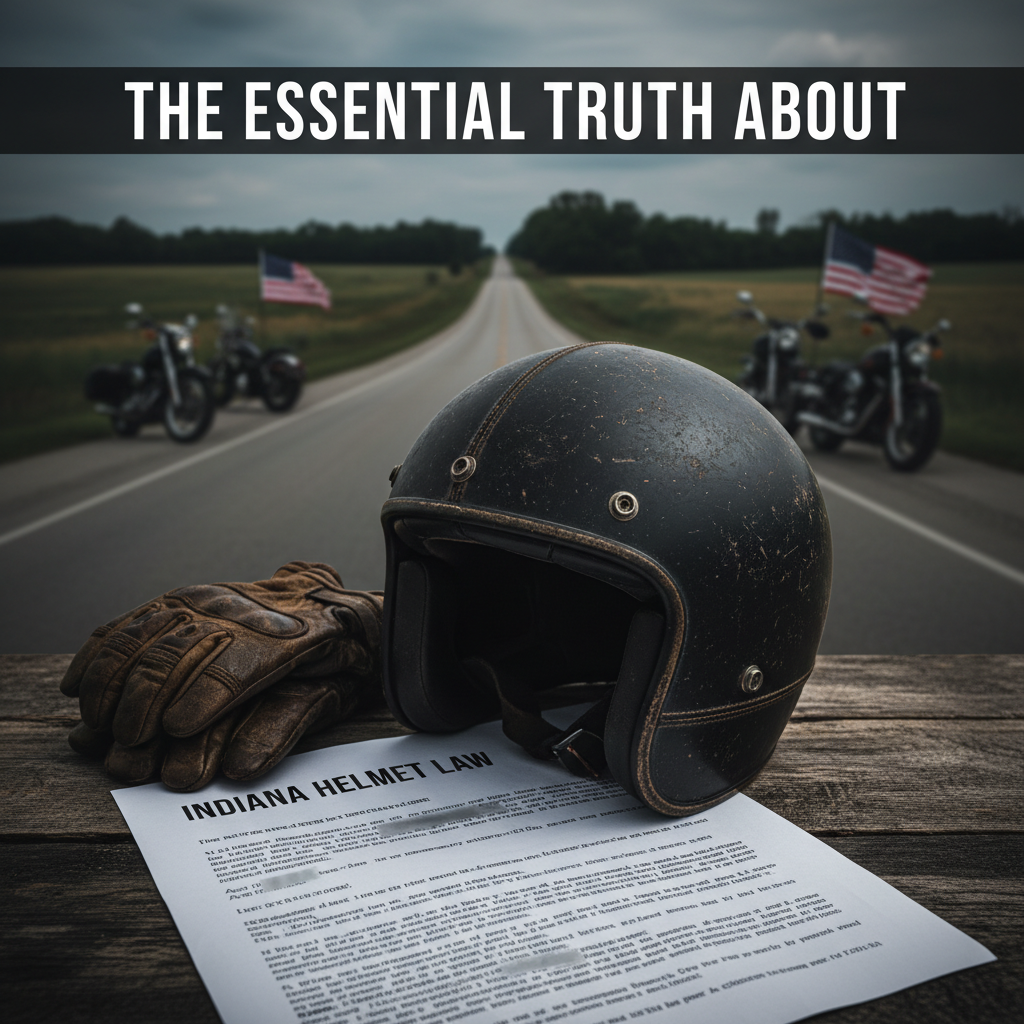
Indiana does not have a universal helmet law for motorcycle riders, which means the requirements for helmet use vary depending on the age of the rider. Specifically, riders under 18 are mandated to wear helmets, while those over 18 can choose whether or not to do so. Understanding these regulations is critical for all motorcyclists in Indiana, as it impacts safety, legal liability, and personal choice.
Understanding Indiana’s Helmet Law

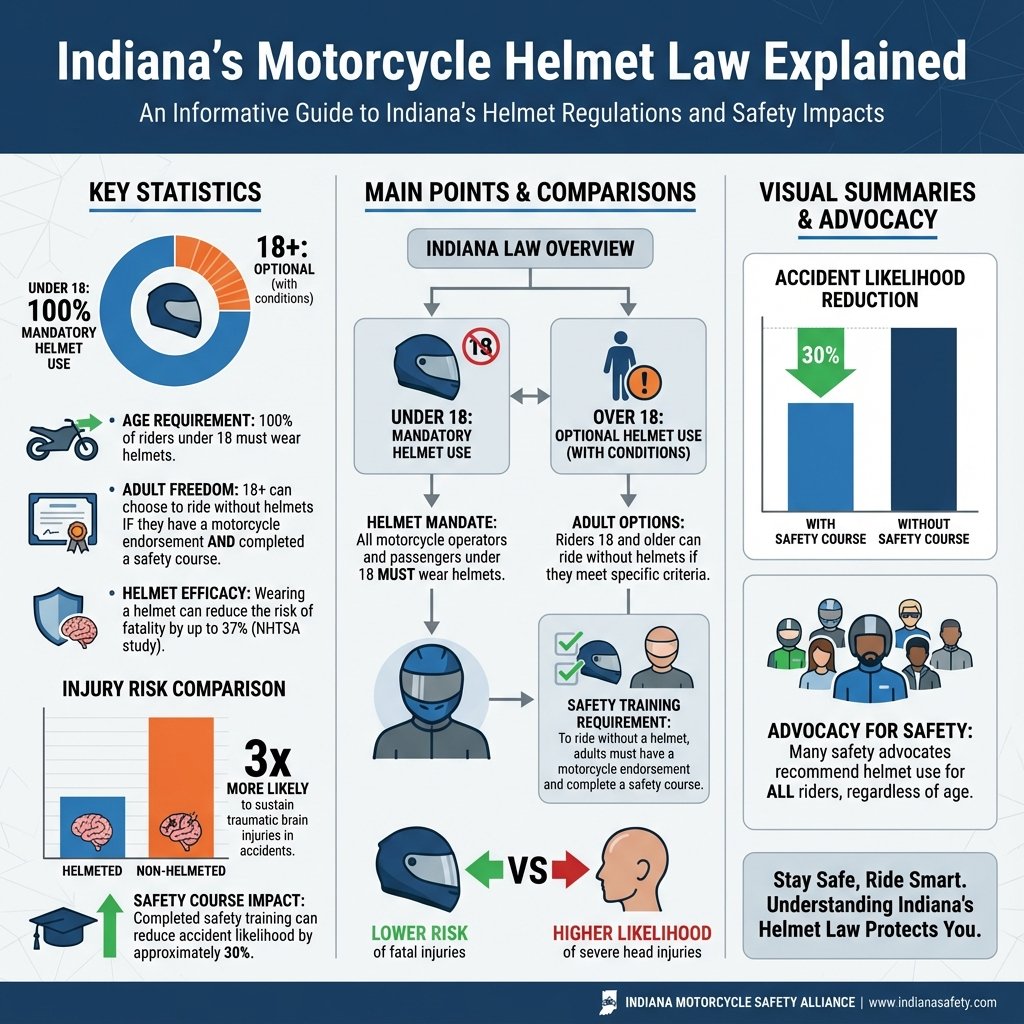
Indiana’s helmet law is straightforward yet nuanced. The law stipulates that all motorcycle operators and their passengers under the age of 18 must wear a helmet at all times while riding. This provision is designed to protect younger, less experienced riders who may be at a higher risk of injury in the event of an accident. Conversely, riders who are 18 years of age and older have the freedom to decide whether they wish to wear a helmet. This distinction reflects a broader debate about personal responsibility and government regulation in the realm of motorcycle safety.
For individuals over 18 wishing to ride without a helmet, there are specific criteria that must be met. To legally forgo a helmet, riders must possess a valid motorcycle endorsement on their driver’s license or have completed an approved motorcycle safety training course. This requirement serves as a compromise, allowing for personal choice while also promoting safer riding practices among those who opt not to wear a helmet.
Key Differences in Helmet Regulations
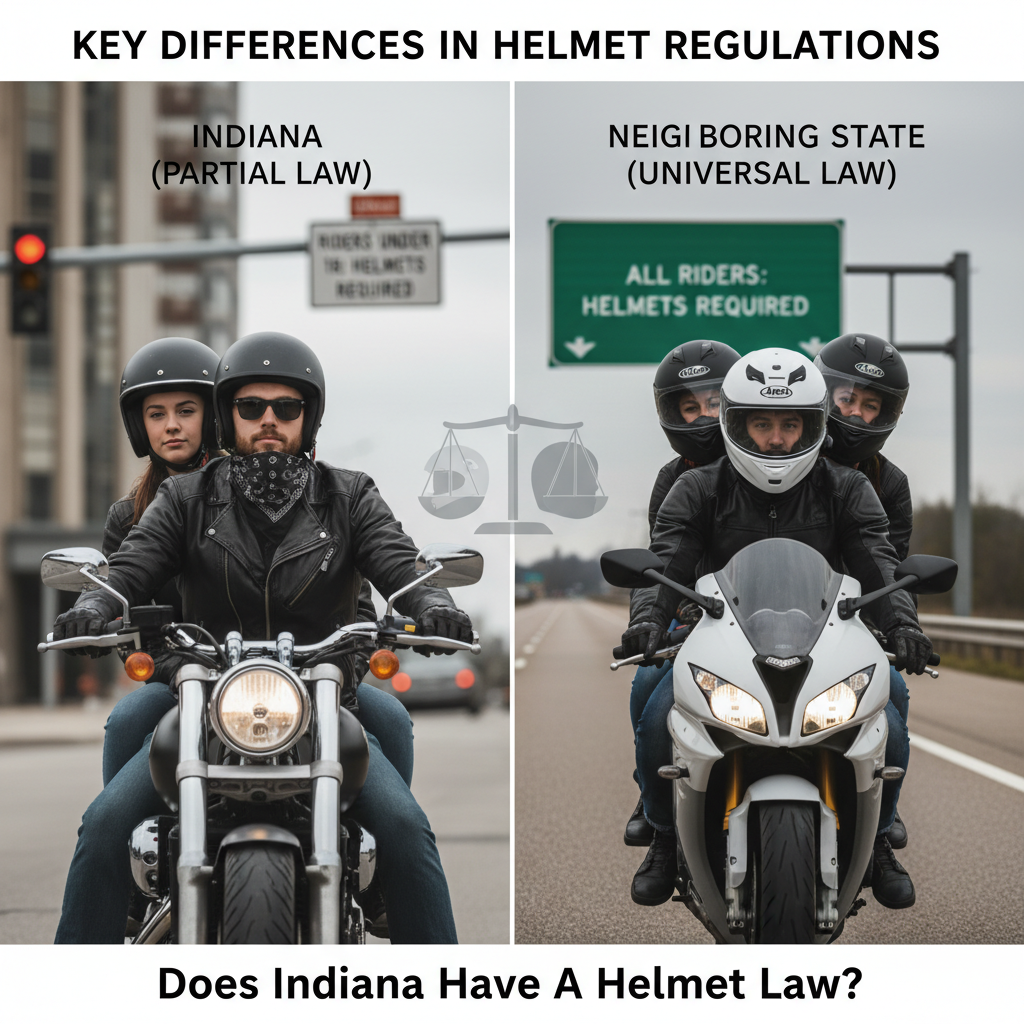
Understanding the key differences in helmet regulations is essential for compliance and safety. As mentioned, all motorcycle operators and passengers under 18 years old are required to wear helmets. This aspect of the law is crucial in protecting young riders, whose developing bodies may be more susceptible to severe injuries.
For those aged 18 and over, the ability to ride without a helmet hinges on two main conditions: having a motorcycle endorsement and completing a safety course. The motorcycle endorsement indicates that the rider has met the state’s requirements for operating a motorcycle safely. In contrast, completing a safety training course demonstrates that the rider has received formal education on safe riding techniques, which can significantly reduce the likelihood of accidents. It’s worth noting that while the law allows adults to ride without helmets, many safety advocates strongly recommend helmet use regardless of age or legal requirements.
Implications of Riding Without a Helmet
Choosing to ride without a helmet can have serious implications. Statistically, riders without helmets face a higher risk of sustaining traumatic brain injuries and other serious injuries in the event of an accident. Research has consistently shown that wearing a helmet significantly reduces the risk of fatality and severe head injuries. For example, a study by the National Highway Traffic Safety Administration (NHTSA) indicated that motorcycle helmets are 37% effective in preventing fatal injuries to riders.
Moreover, there can be legal implications if an accident occurs while riding without a helmet. In the event of an accident, insurance companies may scrutinize helmet usage when assessing claims. If a rider is found to be in violation of helmet laws or if it is determined that not wearing a helmet contributed to the severity of injuries, it could impact the payout of medical expenses or damages in a liability claim. Therefore, riders should carefully consider the potential consequences of riding without a helmet.
The Debate: Helmet Law Pros and Cons
The debate surrounding helmet laws is multifaceted, encompassing public safety, personal freedom, and government intervention.
Pro: Advocates for helmet laws argue that these regulations can significantly reduce fatalities and injuries. They point to studies showing that states with universal helmet laws have lower rates of motorcycle-related deaths and injuries. The argument here is rooted in public health; by mandating helmet use, the state can help protect not only the riders but also the community by reducing healthcare costs associated with motorcycle accidents.
Con: On the other hand, critics of helmet laws assert that they infringe on personal freedom and individual choice. They argue that adults should have the right to make their own decisions regarding safety, including the choice to wear a helmet. This perspective often emphasizes personal responsibility and the belief that individuals should be free from government mandates regarding their safety gear. The discussion often extends to questions of personal liberty versus societal responsibility, making it a complex and ongoing debate.
Recent Changes and Future Outlook
As of 2023, there have been no significant changes to Indiana’s helmet law. The current regulations remain in place, with the division between riders under and over 18 continuing to spark discussion among lawmakers and motorcyclists alike.
Looking ahead, there may be potential for future discussions regarding the expansion of helmet laws in Indiana. Advocacy groups and safety organizations may push for more comprehensive regulations, especially given the rising concerns over motorcycle safety and accident statistics. It will be important for riders to stay informed about any potential legislative changes that could affect their riding experience and legal obligations.
Safety Tips for Riders
Regardless of the legal requirements, safety should always be a top priority for motorcycle riders. Here are some essential safety tips to consider:
1. Always Wear Protective Gear: Regardless of age or law, wearing a helmet and other protective gear (such as gloves, jackets, and boots) can significantly reduce the risk of injury.
2. Complete a Motorcycle Safety Course: Engaging in a motorcycle safety training program not only equips riders with vital skills but also may qualify them for helmet exemptions if they are over 18.
3. Stay Informed About Road Conditions: Pay attention to weather forecasts and road conditions, as these can affect riding safety.
4. Regular Maintenance: Ensure that your motorcycle is in good condition, with regular maintenance checks to prevent mechanical failures while riding.
5. Ride Defensively: Always be aware of your surroundings and anticipate the actions of other drivers. Defensive riding can help avoid accidents before they happen.
Resources for Indiana Motorcyclists
For Indiana motorcyclists seeking more information about helmet laws and safety, several resources are available:
– Indiana Bureau of Motor Vehicles (BMV): This official state agency provides comprehensive information on motorcycle regulations, endorsements, and safety requirements.
– Local Motorcycle Clubs: Joining a motorcycle club can offer community support, camaraderie, and access to safety courses and group rides that emphasize safe practices.
– National Highway Traffic Safety Administration (NHTSA): This federal agency offers valuable guidelines, safety tips, and statistics related to motorcycle safety and helmet use.
In conclusion, while Indiana allows riders over 18 the freedom to choose helmet use, it is crucial to weigh the risks and benefits associated with this decision. Safety should always be the priority, and riders are encouraged to consider the potential consequences of riding without a helmet. Staying informed about motorcycle laws and continuously seeking ways to enhance riding skills can contribute to a safer motorcycling experience. For more information on motorcycle laws and essential safety tips, remain engaged with local resources and ride responsibly.
References
- https://www.ncbi.nlm.nih.gov/pmc/articles/PMC5636418/
- https://www.in.gov/isp/files/Helmet_Law_Factsheet.pdf
- https://www.iihs.org/topics/helmet-use
- https://www.ama-assn.org/delivering-care/public-health/helmet-laws-what-you-need-know
- https://www.indystar.com/story/news/politics/2021/03/29/indiana-helmet-law-motorcycle-safety/6994466002/
- https://www.americanmotorcyclist.com/helmet-law-repeal-in-indiana/
- https://www.trafficsafety.org/helmet-use-laws/
- https://www.nhtsa.gov/risky-driving/motorcycle-safety