The Ultimate Secret to Perfect Helmet Sizing
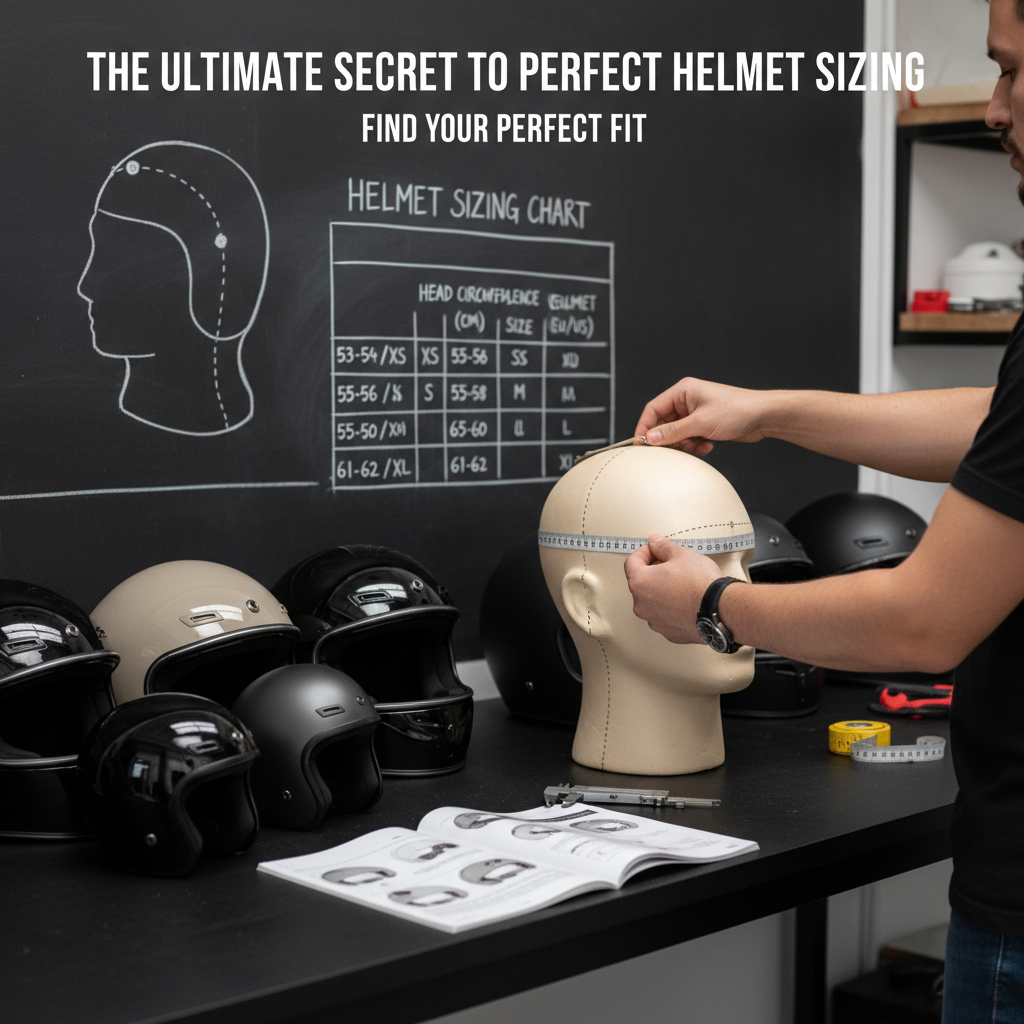
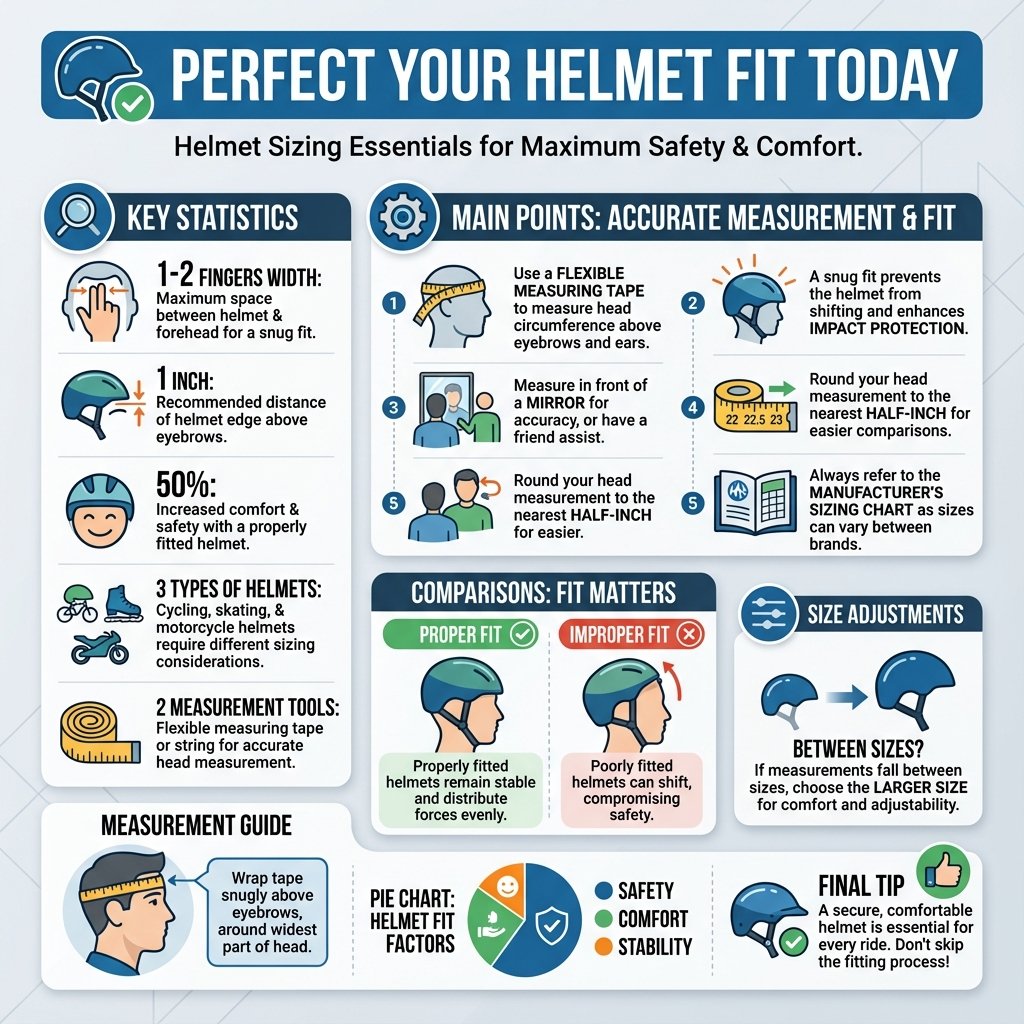
To measure your head size for a helmet, use a flexible measuring tape to find the circumference of your head just above your eyebrows and ears. This simple step ensures you choose a helmet that fits snugly and protects you effectively while riding or engaging in sports. A well-fitted helmet not only enhances comfort but also maximizes safety, reducing the risk of injury during impact. Whether you are cycling, skating, or riding motorcycles, understanding how to size your helmet correctly is essential for an optimal experience.
Understanding Helmet Fit
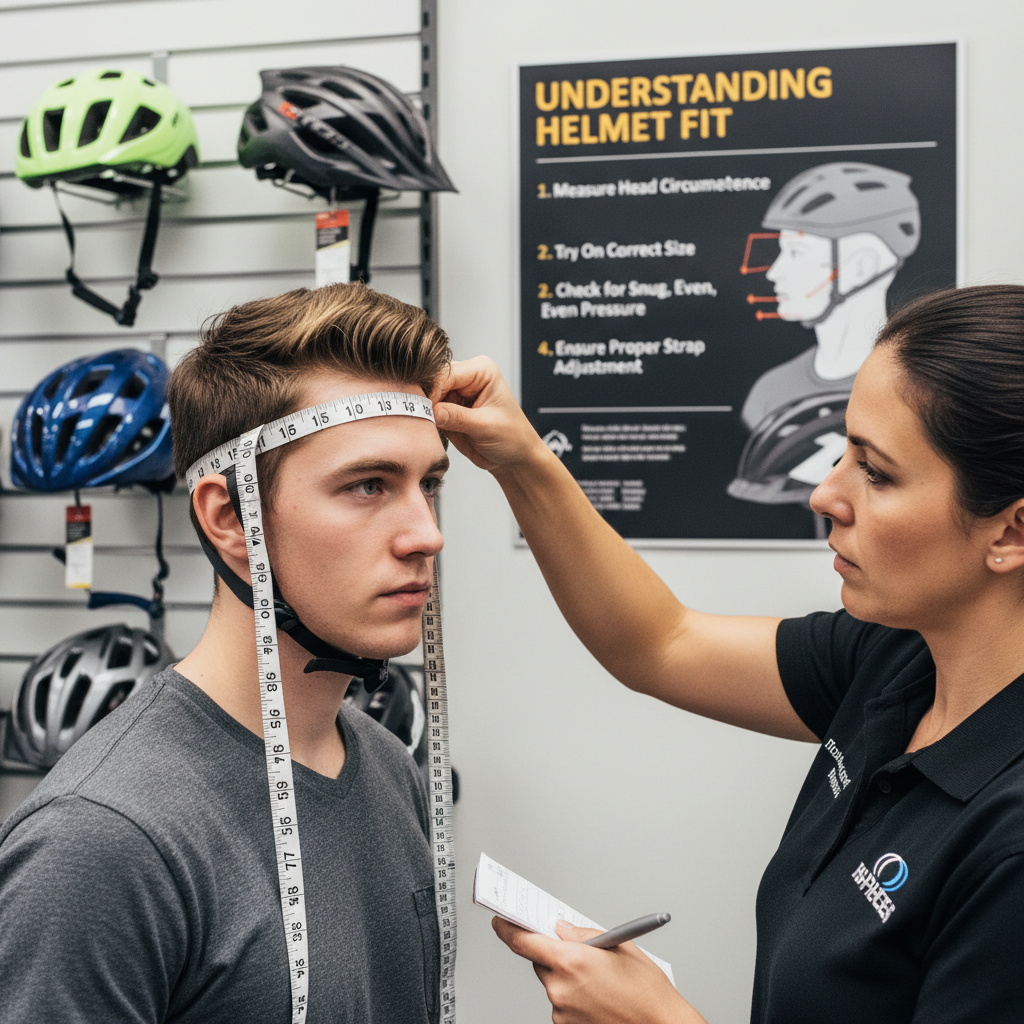
A proper helmet fit is crucial for safety and comfort. An ill-fitting helmet can shift during movement, compromising its ability to protect your head during a fall or collision. Helmets should sit level on your head, not tilting forward or backward, with the front edge about an inch above your eyebrows. This positioning ensures that the helmet remains stable and can absorb impact effectively. A snug fit will allow no more than one or two fingers’ width between the helmet and your forehead, preventing movement while maintaining comfort. Additionally, a helmet that fits well will distribute forces evenly across the head during an impact, significantly enhancing safety.
Tools You Need
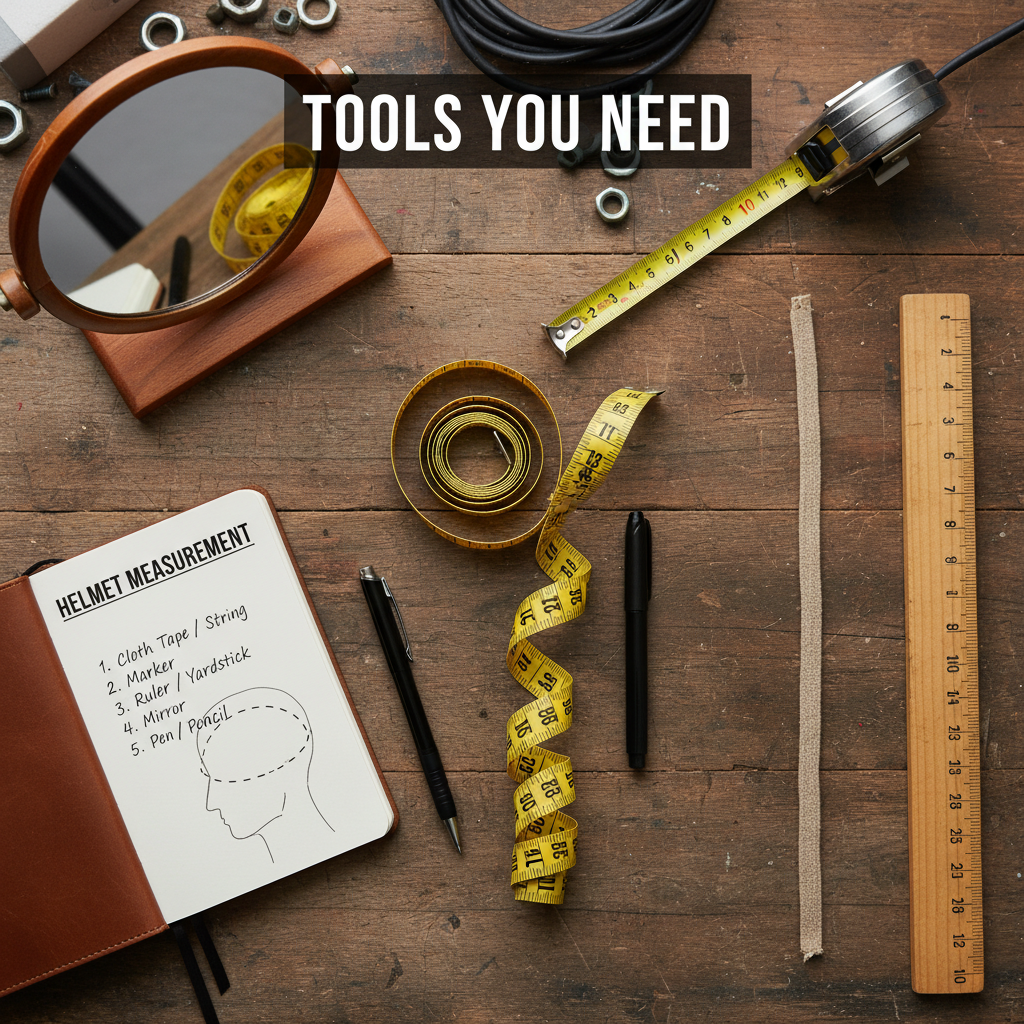
To measure your head accurately, you will need a flexible measuring tape or a piece of string. A flexible measuring tape is ideal as it can easily wrap around the contours of your head. If you choose to use string, ensure that it is thin enough to pass through the measuring process without adding bulk, and measure it against a ruler for accuracy afterward. Other useful tools include a mirror to check the positioning of the helmet and a notepad to record your measurements for reference when shopping for a helmet.
Measuring Your Head
The process of measuring your head is straightforward but requires attention to detail. Wrap the measuring tape around the widest part of your head, typically just above your ears and eyebrows. Ensure the tape is snug but not too tight, allowing for natural movement without compressing your scalp. It can be helpful to have a friend assist you with this process to ensure accuracy. If you’re measuring alone, take the measurement in front of a mirror to ensure the tape is positioned correctly. Once you have your measurement, round it to the nearest half-inch for easier reference against sizing charts.
Interpreting Your Measurements
After obtaining your measurement, compare it to the helmet sizing charts provided by manufacturers. Each brand often has its specific sizing guide, so it is crucial to check these charts before making a purchase. Keep in mind that different manufacturers may have slight variations in their sizing, so a medium in one brand may not fit the same as a medium in another. If your head measurement falls between sizes, it is generally recommended to choose the larger size for comfort and adjustability, as a helmet that is too tight can lead to discomfort during extended wear.
Trying on Helmets
Once you have your size, it’s time to try on helmets that match your measurements. A proper fitting helmet should feel snug but not uncomfortable. When trying on a helmet, it is advisable to wear it for a few minutes to assess comfort and check for any pressure points that may develop over time. Pay attention to how the helmet feels at various positions—when you nod your head, the helmet should stay in place without excessive movement. Additionally, shake your head gently to ensure it does not rock back and forth. If possible, try on different styles (full-face, open-face, etc.) to determine which provides the best fit and comfort for your specific needs.
Adjusting Your Helmet
Most helmets come with adjustable straps and padding that allow for a customized fit. Once you find a helmet that feels close to perfect, take the time to adjust the straps to secure the helmet in place. The chin strap should sit snugly under your chin, allowing you to fit one finger between the strap and your chin without discomfort. Don’t forget to adjust the inner padding if applicable; many helmets come with removable pads that can be swapped out for thicker or thinner options depending on your preference. Regular adjustments may be needed as you wear the helmet over time, especially if you wear different hairstyles or experience changes in head shape.
Common Sizing Mistakes
While measuring for a helmet, there are several common sizing mistakes to avoid. One of the most significant errors is measuring over bulky hairstyles, which can lead to inaccurate results. Be sure to measure your head without any hats or hair accessories that may add extra inches. Additionally, don’t rely solely on the size label. Remember that different brands may size their helmets differently, making it essential to measure for accuracy every time you shop. Lastly, always try on a helmet before purchasing, as comfort and fit cannot be fully assessed through measurements alone.
In conclusion, measuring your head size for a helmet is a straightforward process that can significantly enhance your safety and comfort. By understanding the importance of helmet fit, utilizing the correct tools, and following the outlined steps for measuring, interpreting, trying on, and adjusting helmets, you can ensure a snug and secure fit. Take the time to measure accurately and try on different helmets to find the best match for you. Don’t risk your safety—start measuring today!
References
- https://www.cdc.gov/headsup/basics/helmet-safety.html
- https://www.nhtsa.gov/equipment/helmets
- https://www.ncbi.nlm.nih.gov/pmc/articles/PMC5849770/
- https://www.safaribooksonline.com/library/view/helmets-safety-and/9780128118838/
- https://www.helmets.org/
- https://www.sportsmedicine.org/assets/1/7/Helmet_Fit.pdf
- https://www.americanhelmetsafety.org/
- https://www.wikihow.com/Fit-a-Bike-Helmet