Must-Know Facts About Tennessee’s Motorcycle Helmet Law
Tennessee does have a motorcycle helmet law, but it allows certain exemptions for riders. Understanding the specifics of this law is crucial for the safety and legality of your riding experience in the state. Helmet laws play a significant role in rider safety; thus, knowing the rules can help you make informed decisions while enjoying Tennessee’s scenic roads.
Overview of Tennessee’s Motorcycle Helmet Law
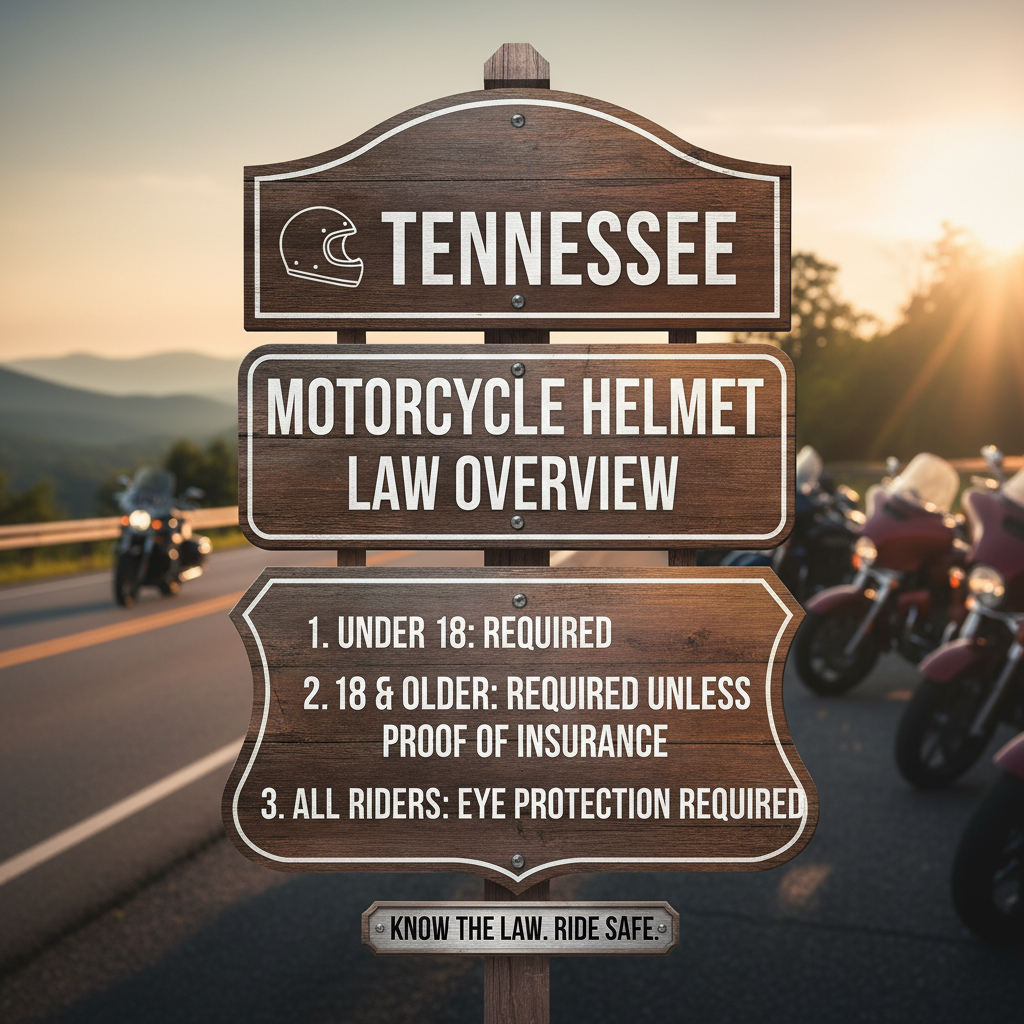
In Tennessee, the law mandates that motorcycle riders under the age of 21 must wear a helmet at all times while operating or riding as a passenger on a motorcycle. This age restriction is rooted in safety concerns, as younger riders typically lack the experience required to handle potential hazards. However, riders aged 21 and older have the option to ride without a helmet, provided they possess a valid motorcycle license and maintain insurance coverage.
The rationale behind this exemption for older riders is based on the assumption that they are more experienced and better equipped to make decisions regarding their safety. Yet, this also raises discussions about personal responsibility and the varying levels of risk that come with motorcycling.
Safety Statistics and Implications
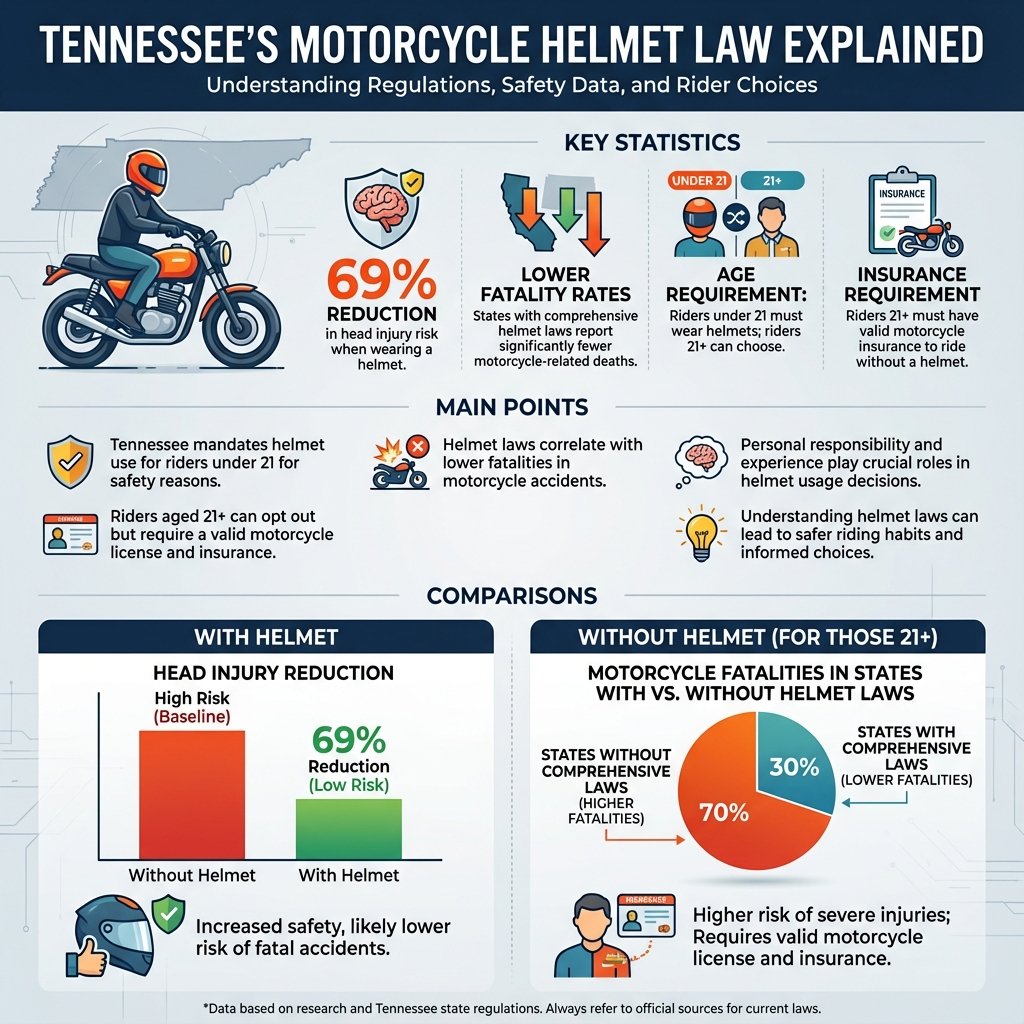
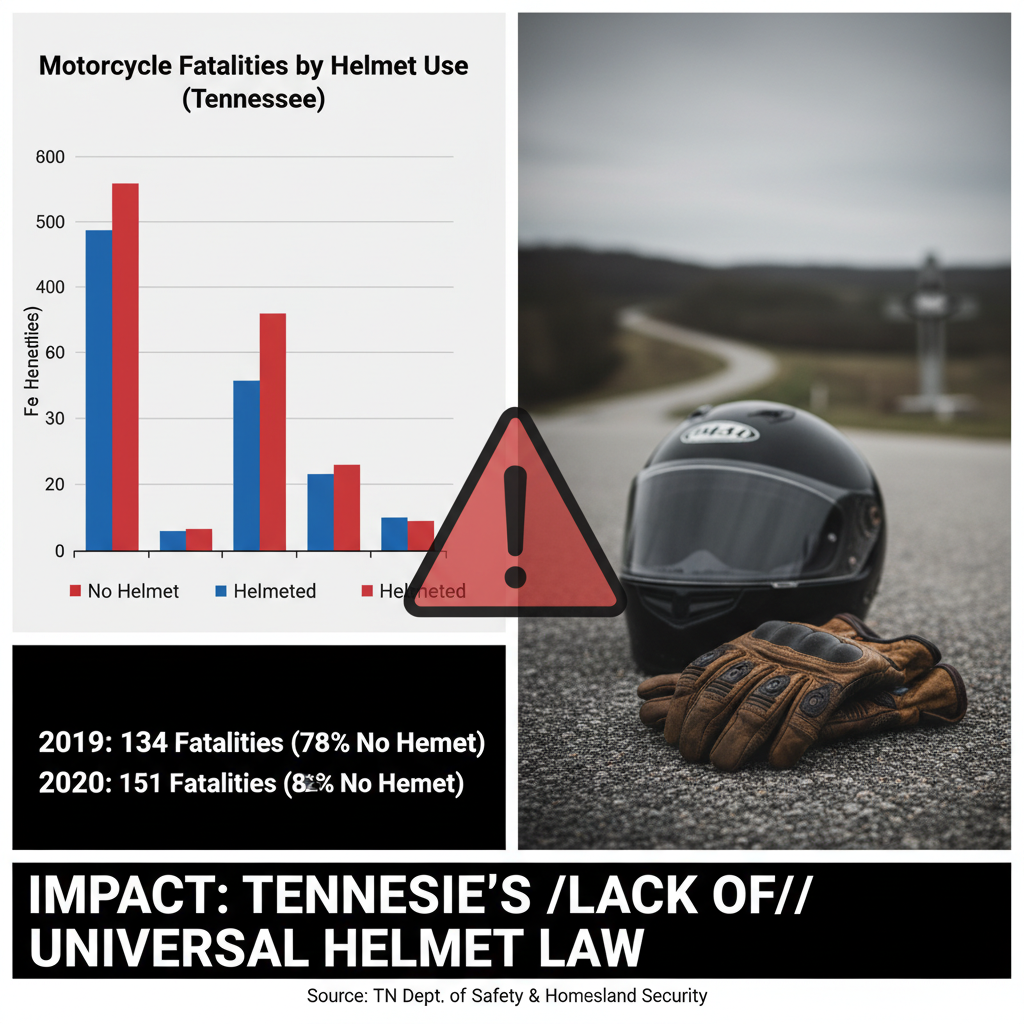
The importance of wearing a helmet cannot be overstated when it comes to motorcycle safety. According to research, helmets are proven to reduce the risk of head injuries by up to 69%. This statistic highlights the protective role helmets play in mitigating the severity of injuries sustained during accidents. Furthermore, states that enforce mandatory helmet laws tend to experience lower fatality rates in motorcycle accidents. For example, a study by the National Highway Traffic Safety Administration (NHTSA) indicated that states with comprehensive helmet laws reported significantly fewer motorcycle-related deaths compared to those with lenient or no helmet laws.
The implications of these statistics are profound; they emphasize the need for riders to prioritize safety not just for themselves but for the community at large. Understanding the potential risks associated with riding without a helmet can lead to more informed choices and safer riding habits.
Exemptions and Conditions
While Tennessee’s motorcycle helmet law requires younger riders to wear a helmet, the exemptions for those aged 21 and over come with specific conditions. To qualify for the exemption, a rider must possess a valid motorcycle license, which indicates that they have undergone the necessary training and have demonstrated a basic understanding of motorcycle operation. Additionally, the rider must have valid motorcycle insurance, ensuring that they are financially protected in the event of an accident.
It is worth noting that even though the law permits experienced riders the choice to forgo a helmet, this decision should not be taken lightly. Riders should consider their own comfort level, riding experience, and the potential consequences of riding without proper head protection.
Penalties for Non-Compliance
Riding without a helmet when required can lead to significant legal repercussions. In Tennessee, the penalties for non-compliance with the helmet law can include fines, which typically range from $10 to $50 for a first offense. However, repeated violations can escalate the penalties and may result in increased fines or even points added to the rider’s driving record.
Moreover, riders who choose to ride without a helmet and subsequently find themselves involved in an accident may face additional legal liabilities. If an injury occurs, the absence of a helmet could be viewed as a contributing factor, potentially affecting compensation claims. Insurance companies may also refuse to cover medical expenses if a rider was found to be in violation of the helmet law during the incident.
Tips for Safe Riding in Tennessee
Regardless of age or exemptions, it is advisable for all riders to wear protective gear beyond just helmets. Safety gear such as gloves, jackets, and boots can provide additional protection against accidents and harsh weather conditions. Riders should also engage in regular safety training and refreshers, regardless of their experience level. Staying informed about any changes to motorcycle laws in Tennessee is equally important, as legislation can evolve based on safety statistics and public opinion.
Another tip is to participate in motorcycle safety courses offered by various organizations. These courses not only improve riding skills but also provide insights into the latest safety regulations and best practices. Always riding defensively and being aware of your surroundings can significantly enhance rider safety.
Resources for Motorcycle Riders
Tennessee offers several resources for motorcycle riders looking to improve their skills or stay updated on safety regulations. Organizations such as the Motorcycle Safety Foundation provide comprehensive training and safety courses that can enhance a rider’s abilities. Additionally, websites like the Tennessee Department of Safety and Homeland Security offer information on legal updates and comprehensive guides related to motorcycling laws in the state.
Local motorcycle clubs can also be excellent resources for networking, sharing experiences, and accessing safety workshops. Engaging with these communities can foster a culture of safety and responsibility among riders.
In conclusion, knowing Tennessee’s motorcycle helmet law is essential for every rider. Whether you’re a local or just visiting, it’s vital to comply with the law for your safety and to avoid penalties. Always prioritize safety and stay informed! By understanding the law, recognizing the importance of protective gear, and utilizing available resources, riders can significantly enhance their safety and enjoyment while exploring Tennessee’s beautiful landscapes.
References
- https://www.tn.gov/safety/motorcycle-safety/motorcycle-helmet-law.html
- https://www.iihs.org/topics/motorcycle-helmet-use
- https://www.nhtsa.gov/rider-safety/motorcycle-helmet-use
- https://www.washingtonpost.com/road-safety/motorcycle-helmet-laws/2021/05/18/5b6a7a4c-bb7d-11eb-9d4b-1c6e3c6eaa9b_story.html
- https://en.wikipedia.org/wiki/Motorcycle_helmet_laws_in_the_United_States
- https://www.ama-cycle.org/advocacy/state-motorcycle-helmet-laws/
- https://www.motorcycle.com/learn/motorcycle-helmet-laws-state-by-state.html