Must-Know Secrets to Renting a Ski Helmet
Looking to hit the slopes without the hassle of buying a ski helmet? Yes, you can rent a ski helmet at many ski resorts and rental shops! Renting is a convenient option that allows you to enjoy your skiing experience while ensuring safety without a hefty investment. This guide will equip you with essential information on why renting is a smart choice, where to find rental services, what to consider when renting, and additional gear often available, as well as tips for first-time renters and care instructions.
Why Rent a Ski Helmet?
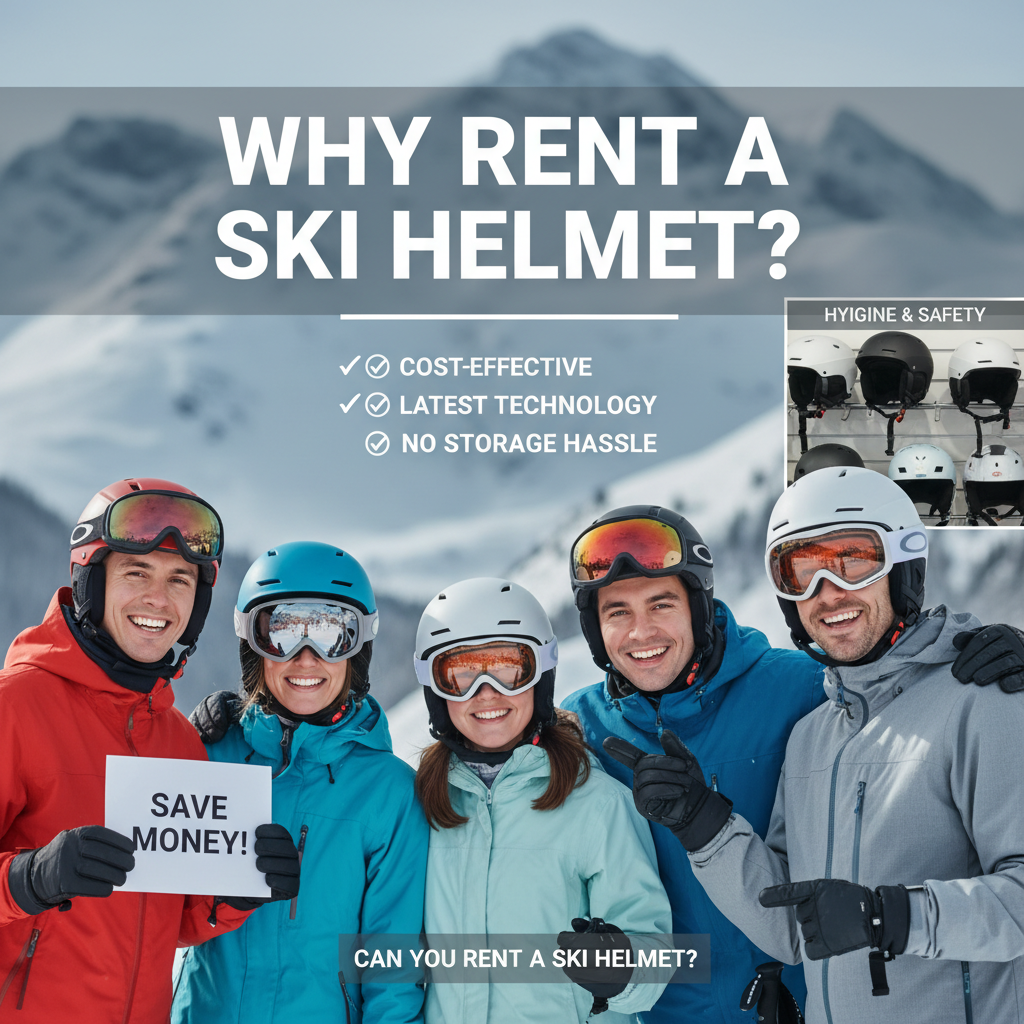
Renting a ski helmet is an economical choice for both novice and experienced skiers. Firstly, it is cost-effective; purchasing a new ski helmet can range from $50 to several hundred dollars, depending on the brand and features. For those who ski infrequently or are just starting out, renting can save you a significant amount of money. Additionally, renting eliminates the need for storage and maintenance of your own equipment, which can be cumbersome for those who only ski a few times a year.
Convenience is another major advantage. Most ski resorts and rental shops provide quick and easy access to helmets, allowing you to pick up your gear right at the mountain. You won’t have to worry about transporting bulky equipment from home, which can be particularly beneficial for travelers. Rental services are typically located near the ski lifts, making it simple to get fitted and hit the slopes in no time.
Where to Rent Ski Helmets
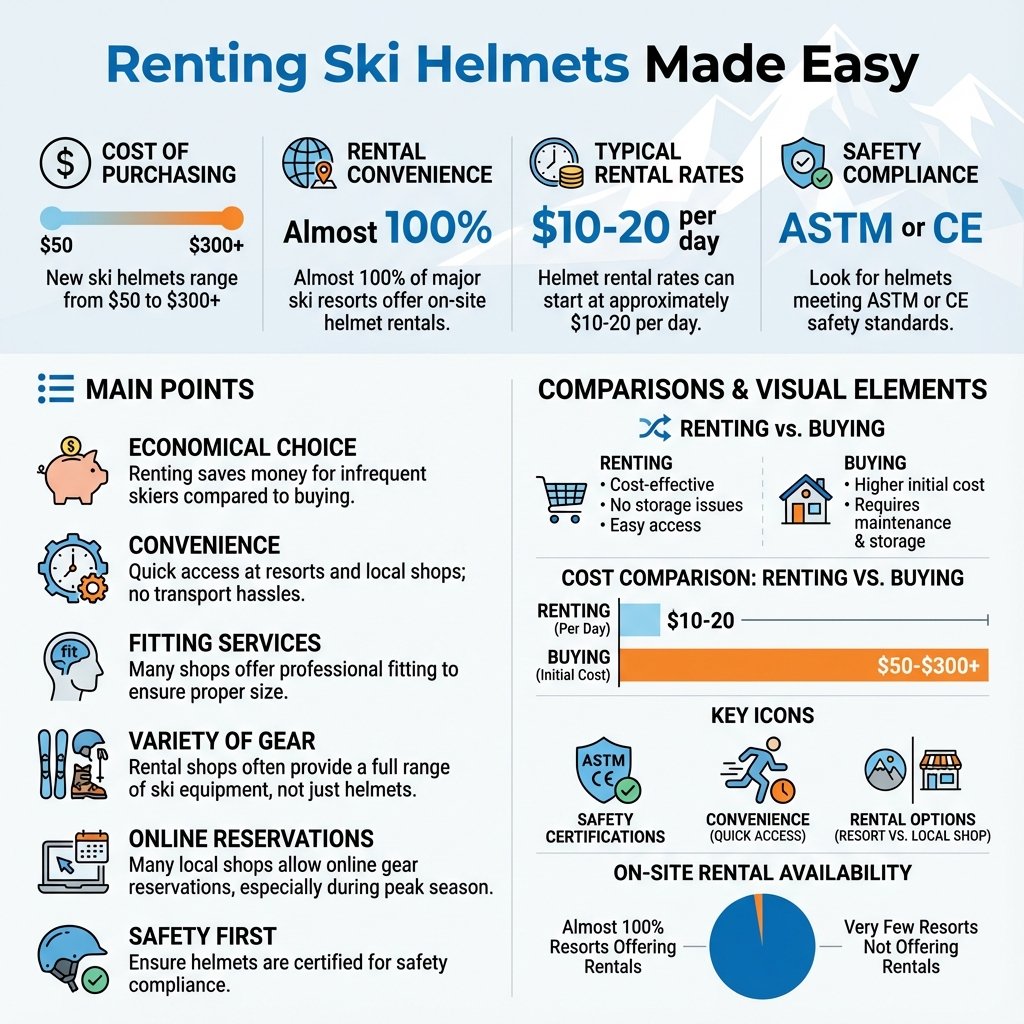
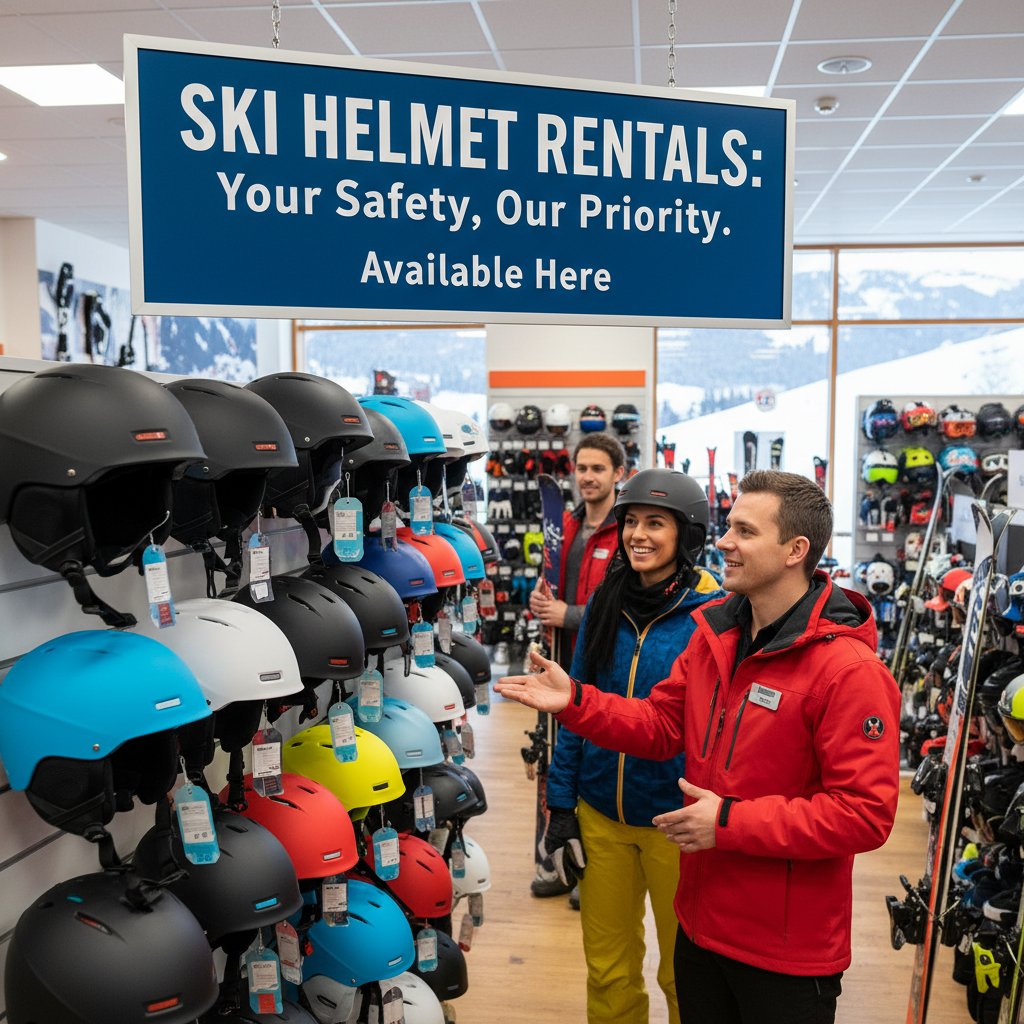
When it comes to renting ski helmets, your options are abundant. The most straightforward choice is to rent from ski resorts themselves. Almost all major ski resorts offer on-site rental services that not only include helmets but also a variety of other ski gear such as skis, boots, and poles. This convenience allows you to get fully equipped in one go.
In addition to resort rentals, local ski shops often provide helmet rental services. These shops may offer competitive rates, especially for extended rental periods. It’s advisable to do a quick online search or check social media for local shops in the area you plan to ski. Some shops even allow you to reserve gear online in advance, which can be particularly useful during peak ski season when demand is high.
What to Look For When Renting
When renting a ski helmet, safety and comfort should be your top priorities. Proper fit is crucial; a helmet should feel snug without causing discomfort. It should sit level on your head and not shift when you move. Many rental shops provide fitting services, so take advantage of this to ensure that you get the right size. Helmets come in various styles and sizes, so don’t hesitate to ask for assistance if you’re unsure.
Additionally, it’s important to verify that the helmet meets safety certifications. Look for helmets that comply with standards set by organizations such as ASTM (American Society for Testing and Materials) or CE (Conformité Européenne). These certifications indicate that the helmet has undergone rigorous testing for impact resistance and durability. A good helmet can significantly reduce the risk of head injuries while skiing, making this a non-negotiable aspect of your rental experience.
Additional Gear Often Available
In addition to helmets, many rental facilities provide a range of supplementary gear that can enhance your skiing experience. Goggles are commonly available for rent alongside helmets, and they are essential for protecting your eyes from wind, snow, and UV rays. Opting for a package deal that includes both can be a cost-effective solution.
You may also find options for additional protective gear, such as padded shorts, wrist guards, and knee pads. This is especially beneficial for beginner skiers who may be more prone to falls. Renting extra safety gear can provide peace of mind as you learn to navigate the slopes.
Tips for First-Time Renters
If you’re renting a ski helmet for the first time, a few helpful tips can ensure a smooth experience. First and foremost, it’s wise to reserve your helmet in advance, particularly during peak ski seasons. Helmets can run out quickly, and making a reservation guarantees that you’ll have a helmet ready upon arrival.
Don’t hesitate to ask questions when you’re at the rental shop. Staff are typically knowledgeable and can assist you in understanding sizing, features, and safety standards. If you’re unsure about what type of helmet to choose, inquire about the differences between models and any recommendations they may have based on your skiing ability and experience.
Maintenance and Care
While renting a helmet means you won’t need to worry about long-term maintenance, it’s still essential to inspect the helmet before use. Check for any visible damage, such as cracks or dents, and ensure that all the straps and padding are intact. If you notice any issues, request a different helmet from the rental staff.
Additionally, familiarize yourself with the rental shop’s return policy. Understanding the conditions under which you need to return the helmet can help avoid any unexpected fees. Some shops have specific guidelines regarding how and when the equipment should be returned, so be sure to clarify these details before leaving.
Alternatives to Renting
If renting doesn’t seem like the best option for you, there are alternatives worth considering. Buying a second-hand helmet can be a budget-friendly solution. Many local shops or online marketplaces offer gently used helmets at a fraction of the retail price. Just ensure that any used helmet meets safety standards and is in good condition.
Another option is to borrow a helmet from friends or family who ski. This can be a great way to save money, especially if you’re just starting out and want to test the waters before making a purchase. Just make sure that the borrowed helmet fits well and has not exceeded its recommended lifespan.
Renting a ski helmet is a practical choice for skiers of all levels. Whether you’re a beginner or a seasoned pro, knowing where to rent and what to look for ensures you’ll stay safe and stylish on the slopes. By following these guidelines, you can enjoy your ski trip with confidence, knowing that you have the right protective gear. Ready to ski? Don’t forget your helmet!
References
- https://www.nsc.org/home-safety/safety-topics/winter-safety/skiing-and-snowboarding-safety
- https://www.cpsc.gov/safety-education/safety-guides/sports-and-recreation/skiing
- https://www.ski.com/blog/ski-helmet-safety-tips/
- https://www.skiandsnowboardclub.com/helmet-safety-information
- https://www.rei.com/learn/expert-advice/ski-helmets.html
- https://www.theguardian.com/sport/2020/feb/12/how-to-choose-the-best-ski-helmet
- https://www.washingtonpost.com/lifestyle/2021/01/08/skis-helmets-safety/