The Must-Know Lifespan of Your Ski Helmet
A ski helmet is typically good for 3 to 5 years, depending on usage and care. This lifespan ensures that the helmet provides adequate protection and meets safety standards. However, various factors can influence how long your helmet will remain effective, which is crucial for your safety on the slopes. Understanding these factors, along with proper maintenance and technological advancements in helmet design, can help you make informed decisions about your ski gear, ensuring you stay safe while enjoying your winter sports activities.
Understanding Ski Helmet Lifespan

Most ski helmets last between 3-5 years. This lifespan is derived from rigorous testing and evaluation by manufacturers and safety organizations. Helmets are designed with specific materials that can withstand impacts, but over time, these materials can degrade. The lifespan can vary based on usage frequency, conditions, and the care taken by the user. For instance, helmets used frequently in challenging conditions, such as extreme cold or heavy snowfall, may experience wear and tear more rapidly. Additionally, if a helmet has been involved in an impact, it should be replaced immediately, regardless of its age, as the integrity of the protective materials may be compromised.
Signs Your Helmet Needs Replacement

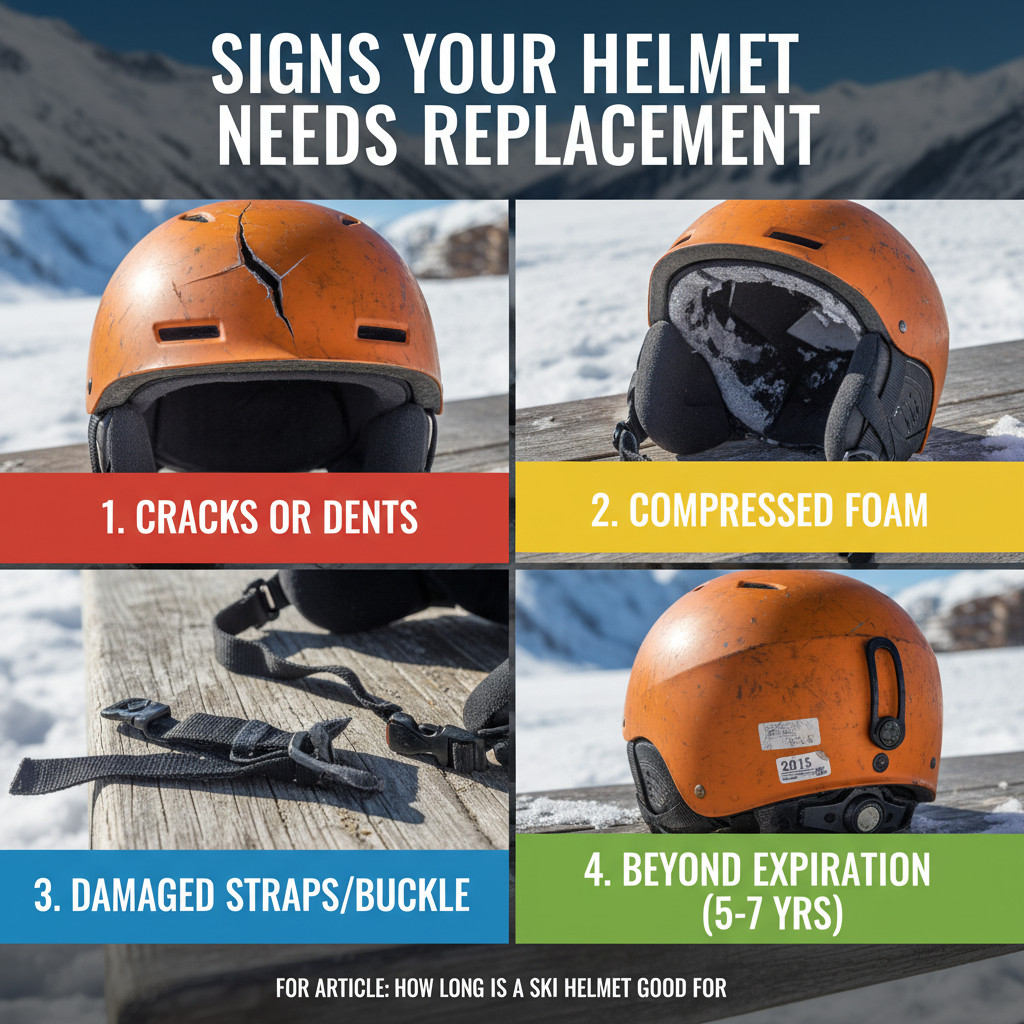
Identifying the signs that your helmet needs replacement is vital for maintaining safety while skiing. One of the most obvious indicators is the presence of visible cracks or dents on the outer shell. These physical damages can severely affect the helmet’s ability to absorb shock in the event of an accident. Moreover, check for degradation of the internal foam, which can manifest as compression or wear. If the foam feels hard or brittle, it may no longer provide adequate cushioning. Regularly inspecting your helmet before and after ski trips can help you catch these signs early, ensuring you replace your helmet before it’s too late.
Importance of Proper Care
Proper care of your ski helmet can significantly extend its lifespan. Start by cleaning your helmet regularly to avoid damage from sweat and moisture, which can deteriorate the materials over time. Use a mild soap solution and a soft cloth to clean the exterior and interior surfaces. Additionally, ensure that your helmet is stored in a cool, dry place away from direct sunlight, as prolonged exposure to UV rays can weaken the helmet’s structure. It’s also wise to avoid placing heavy objects on top of the helmet during storage, as this can cause deformation. By taking these simple steps, you can help ensure that your helmet remains effective throughout its intended lifespan.
Helmet Technology Advancements
The ski helmet industry has seen significant technological advancements in recent years, leading to improved safety features and materials. Newer models may incorporate multi-directional impact protection systems (MIPS), which are designed to reduce rotational forces during impacts. Additionally, advancements in materials, such as more efficient foam types and lightweight composites, are enhancing comfort without compromising safety. Regularly checking for updates in industry safety standards, such as those established by organizations like the American Society for Testing and Materials (ASTM) or the European Committee for Standardization (CE), can help you stay informed about the best helmet options available. Investing in a helmet with the latest technology can provide you with peace of mind while skiing.
The Role of Warranty and Manufacturer Guidelines
When purchasing a ski helmet, it’s essential to review the warranty offered by the manufacturer, as it can provide specific lifespan recommendations. Many manufacturers include guidelines for when to replace your helmet based on usage patterns and age. Following these manufacturer guidelines for maintenance and replacement is crucial, as they are tailored to the specific design and materials of the helmet. Adhering to these recommendations not only ensures compliance with safety standards but also maximizes your investment in high-quality ski gear.
Tips for Choosing a New Helmet
When it comes time to purchase a new ski helmet, there are several factors to consider to ensure you choose the best fit for your needs. Look for certifications like ASTM or CE for safety assurance, as these labels indicate that the helmet meets rigorous safety standards. Additionally, focus on the fit; a well-fitted helmet should sit snugly on your head without causing discomfort. Ventilation is another critical aspect to consider, as proper airflow can enhance comfort during long ski days. Finally, you may want to explore additional features such as audio compatibility, which allows you to enjoy music or take calls on the slopes, adding to your overall experience.
Frequently Asked Questions
– Q: Can I extend my helmet’s lifespan?
A: Only through proper care; physical damage significantly reduces safety. While regular maintenance can help, once a helmet sustains an impact or begins to show signs of wear, it is essential to replace it to ensure maximum protection.
In summary, ensuring your ski helmet is within its effective lifespan is key to your safety on the slopes. Regular checks for visible damage, coupled with proper care and attention to technological advancements, can help you make informed decisions about your gear. As you approach the 5-year mark or notice any damage, it’s prudent to invest in a new helmet for optimal protection. Prioritize safety, enjoy your skiing adventures, and always remember that your helmet is your first line of defense against potential injuries on the slopes.
References
- https://www.nsc.org/home-safety/safety-topics/winter-safety/skiing-safety
- https://www.medicinenet.com/script/main/art.asp?articlekey=206287
- https://www.cpsc.gov/safety-education/safety-guides/ski-helmets
- https://www.skiandsnowboard.com/faq/how-long-do-ski-helmets-last
- https://www.ski.com/blog/how-long-do-ski-helmets-last/
- https://www.washingtonpost.com/sports/2022/01/18/ski-helmet-safety/
- https://www.americanhelmetsafety.org/
- https://www.snowlink.com/what-to-know-about-ski-helmets/
- https://www.ncbi.nlm.nih.gov/pmc/articles/PMC5799708/
- https://www.osha.gov/SLTC/etools/skiing/helmets.html