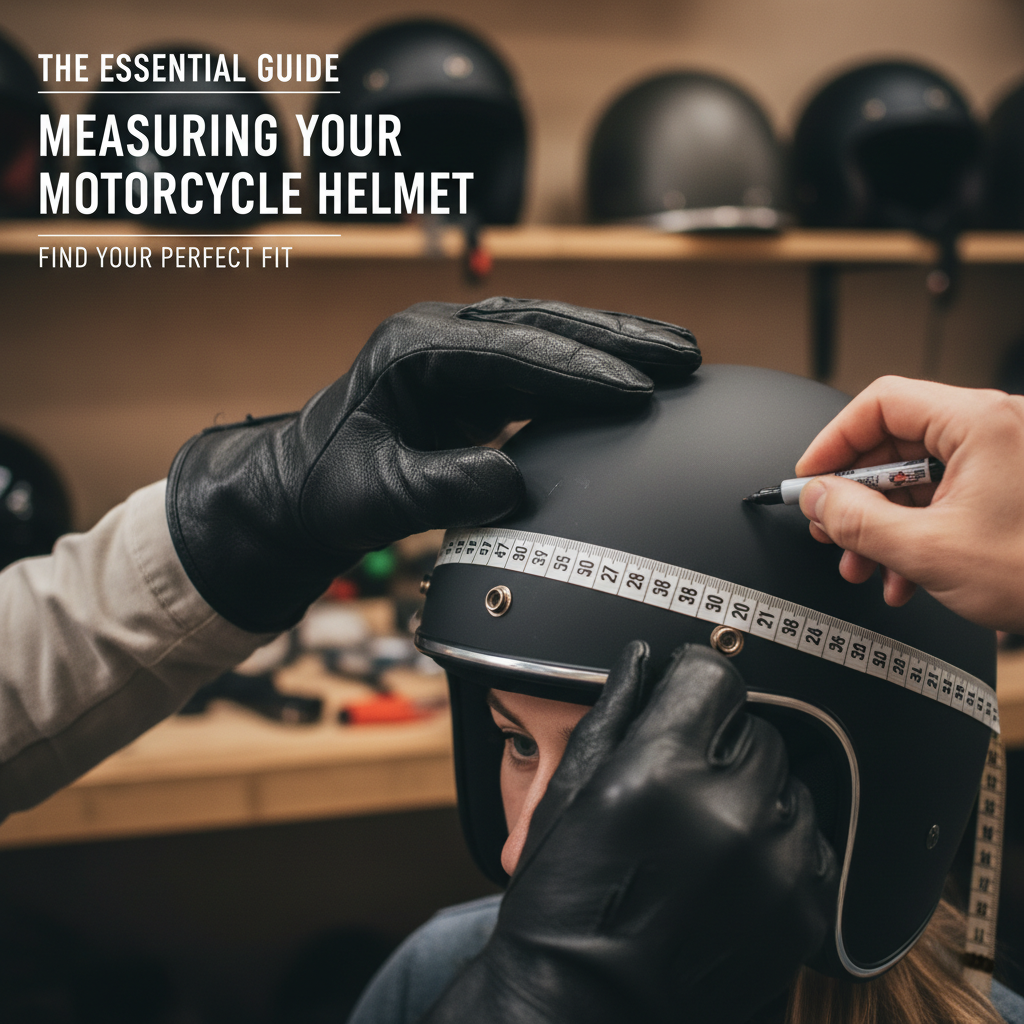
The Essential Guide to Measuring Your Motorcycle Helmet
To ensure safety and comfort, the key to finding the perfect motorcycle helmet lies in accurate measurement. Start by measuring the circumference of your head just above your eyebrows, and you will be well on your way to selecting the right helmet size. This process not only helps in choosing a helmet that fits correctly but also enhances your overall riding experience by ensuring that your helmet provides the protection it is designed for. In this guide, we will delve deeper into the steps and considerations necessary for selecting the right motorcycle helmet, ensuring that you ride safely and comfortably.
Understanding Helmet Size Standards
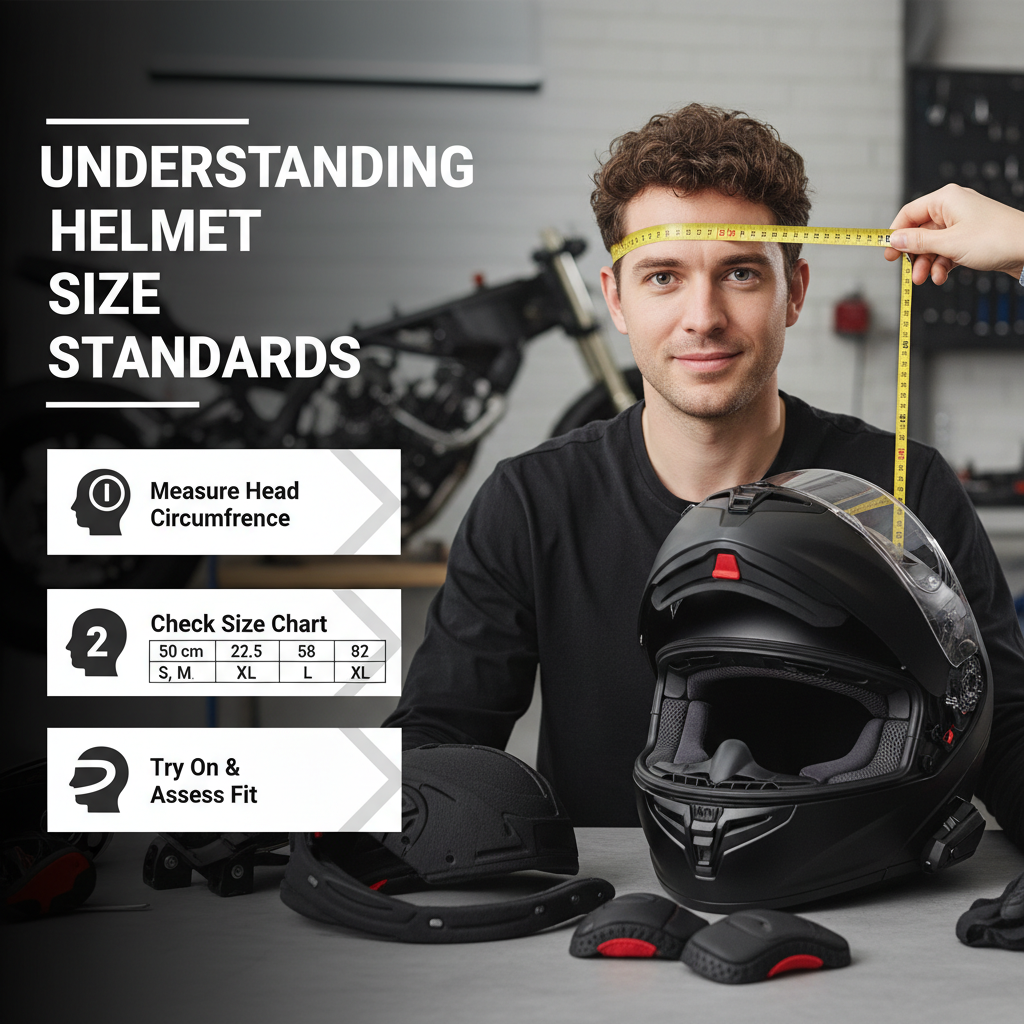
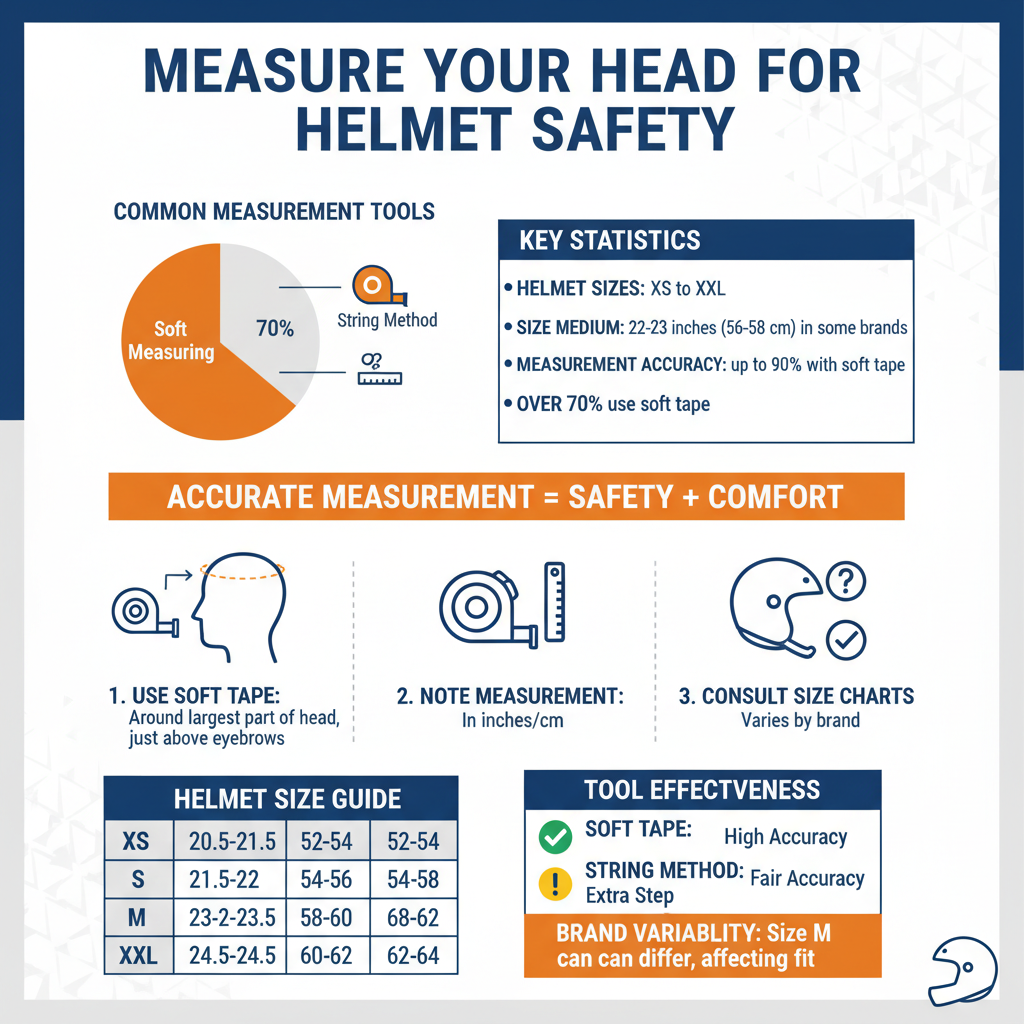
When it comes to motorcycle helmets, understanding the sizing standards is crucial. Different brands may have varying sizing charts; always refer to the specific brand’s guide before making a purchase. Most motorcycle helmets are categorized into standard sizes ranging from Extra Small (XS) to Extra Extra Large (XXL). Measurements are typically provided in either inches or centimeters, depending on the manufacturer. For instance, a size medium might correlate to a head circumference of 22 to 23 inches (56 to 58 centimeters) in one brand but vary slightly in another. This inconsistency underscores the importance of measuring your head before shopping and consulting the specific sizing chart for each brand you consider.
Tools You Need for Accurate Measurement
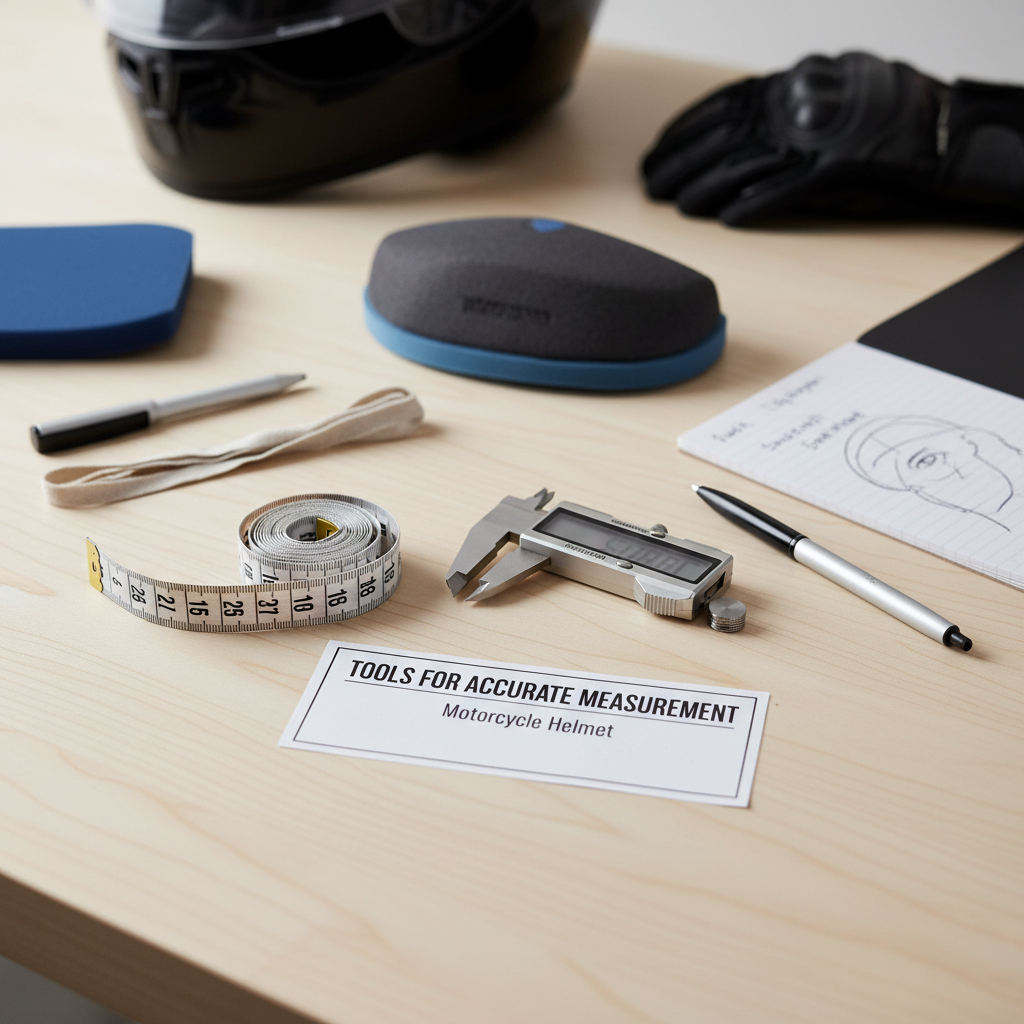
To achieve precise measurements, having the right tools is essential. A soft measuring tape is ideal for this task, as it can easily wrap around the contours of your head. If you don’t have a measuring tape on hand, a piece of string can serve as an effective substitute. Simply wrap the string around your head, marking where it overlaps. You can then measure the string against a ruler to obtain an accurate measurement. Ensuring that your tools are suitable for the job will significantly improve the accuracy of your measurements and, ultimately, your helmet fit.
Step-by-Step Measuring Process
Measuring your head for a motorcycle helmet is a straightforward process that can yield significant results. Start by wrapping the measuring tape around the largest part of your head, which is typically just above your eyebrows and around the back of your skull. Ensure that the tape remains level and snug against your head without being uncomfortably tight. Once you have wrapped the tape, take note of the measurement in inches or centimeters. If the measurement falls between two sizes, it is advisable to round up to the larger size to ensure a comfortable fit. This methodical approach to measuring helps prevent the discomfort that can arise from wearing a helmet that is too small.
Importance of Fit and Comfort
The fit and comfort of a motorcycle helmet are paramount for both safety and enjoyment while riding. A helmet should feel snug but not overly tight; if it pinches or creates pressure points, it may lead to discomfort during long rides. An ideal helmet will remain securely in place without shifting when you move your head or during sudden stops. Proper fit also plays a critical role in the effectiveness of the helmet during an accident. If a helmet is too loose, it may not provide adequate protection; conversely, if it is too tight, it can lead to distraction or discomfort. Prioritizing fit and comfort ensures that you can focus on the road ahead rather than adjusting your gear.
Trying on Helmets: What to Look For
After obtaining your head measurement, the next crucial step is to try on different helmets to assess their fit. When trying on helmets, ensure that the cheek pads gently touch your cheeks without pinching. A well-fitted helmet should feel snug around your head, without creating discomfort. It is also beneficial to perform a gentle shake of your head while wearing the helmet; a properly fitted helmet should stay securely in place without excessive movement. Pay attention to any initial discomfort, as it may indicate that the helmet is not the right fit for your head shape. Remember that different helmet styles—such as full-face, open-face, or modular—may fit differently, so be open to trying various types to find the best option for you.
Common Mistakes to Avoid
When measuring for and selecting a motorcycle helmet, several common mistakes can compromise your safety and comfort. One prevalent error is skipping the measuring process altogether or relying solely on past sizes. Head sizes can change over time, and relying on memory can lead to selecting a helmet that does not fit properly. Additionally, be cautious of choosing a helmet based solely on style rather than fit and safety ratings. While aesthetics are important, a helmet that does not fit well or lacks sufficient safety certifications can put you at risk. Always prioritize fit and safety over trends to ensure a helmet that serves its primary purpose effectively.
Final Tips for Selecting the Right Helmet
When selecting a motorcycle helmet, there are several final tips to keep in mind to make the best choice. Firstly, always prioritize safety ratings such as DOT (Department of Transportation), ECE (Economic Commission for Europe), or Snell when making your selection. These certifications indicate that the helmet meets specific safety standards and has undergone rigorous testing. Additionally, don’t hesitate to seek expert advice at local motorcycle shops for personalized fitting. Professionals at these shops can provide insights based on their experience and help you find a helmet that suits both your head shape and riding style. Finally, consider trying on helmets at different times of the day, as your head can swell slightly depending on various factors, including heat.
In conclusion, measuring for a motorcycle helmet is crucial for safety and comfort. By following these essential steps, including understanding sizing standards, using the right tools, and trying on various helmets, you can ensure you choose a helmet that fits properly and meets safety standards. Remember to prioritize fit over style and consult experts when necessary. Don’t compromise on your protection—get your measurement right today!
Frequently Asked Questions
What is the best way to measure my head for a motorcycle helmet?
To accurately measure your head for a motorcycle helmet, use a soft measuring tape and wrap it around the widest part of your head, typically just above your eyebrows and ears. Ensure the tape is snug but not too tight, as this could lead to an inaccurate measurement. Once you have the circumference in inches or centimeters, refer to the helmet manufacturer’s size chart to determine the appropriate helmet size for a safe and comfortable fit.
How do I determine the right helmet size if my measurement falls between two sizes?
If your head measurement falls between two helmet sizes, it is generally advisable to choose the smaller size for a snug fit that will break in over time. However, comfort is crucial, so try on both sizes if possible, as helmet shapes can vary between brands. Consider factors like padding and the overall feel; a well-fitted helmet should feel secure without causing pressure points or discomfort.
Why is it important to measure for a motorcycle helmet properly?
Properly measuring for a motorcycle helmet is essential for both safety and comfort. A helmet that fits correctly can significantly reduce the risk of injury during an accident by ensuring it stays securely in place, while also providing adequate protection. Conversely, a poorly fitting helmet can compromise safety, cause distractions while riding, and result in discomfort, leading to a negative riding experience.
Which tools do I need to measure my head for a motorcycle helmet?
To measure your head for a motorcycle helmet, you will need a soft measuring tape, which can be found in most sewing kits or purchased at craft stores. If you don’t have a measuring tape, you can use a piece of string and later measure it against a ruler. Additionally, having a mirror can help ensure the tape is positioned correctly around your head for an accurate measurement.
What should I do if I can’t try on a motorcycle helmet before buying?
If trying on a motorcycle helmet isn’t an option, it is crucial to rely on accurate head measurements and consult the brand’s size chart before making a purchase. Look for online reviews and feedback regarding the helmet’s fit and comfort, as well as any return policies that allow for exchanges. Additionally, consider purchasing from retailers that offer a good return policy, enabling you to return or exchange the helmet if it doesn’t fit properly when it arrives.
References
- https://en.wikipedia.org/wiki/Motorcycle_helmet
- https://www.nhtsa.gov/motorcycle-safety/motorcycle-helmets
- https://www.helmetlaws.com/
- https://www.ama-cycle.org/
- https://www.verywellhealth.com/how-to-measure-for-a-motorcycle-helmet-2736467
- https://www.cdc.gov/motorvehiclesafety/motorcycle/index.html
References
- https://www.nhtsa.gov/equipment/motorcycle-helmets
- https://www.motorcycle.gov/
- https://www.cdc.gov/motorvehiclesafety/mcycle/index.html
- https://www.iihs.org/topics/motorcycle-helmets
- https://www.helmets.org/
- https://www.nhtsa.gov/sites/nhtsa.gov/files/documents/motorcycle_helmet_fact_sheet.pdf
- https://www.ama-cycle.org/
- https://www.cycleworld.com/motorcycle-helmet-guide/