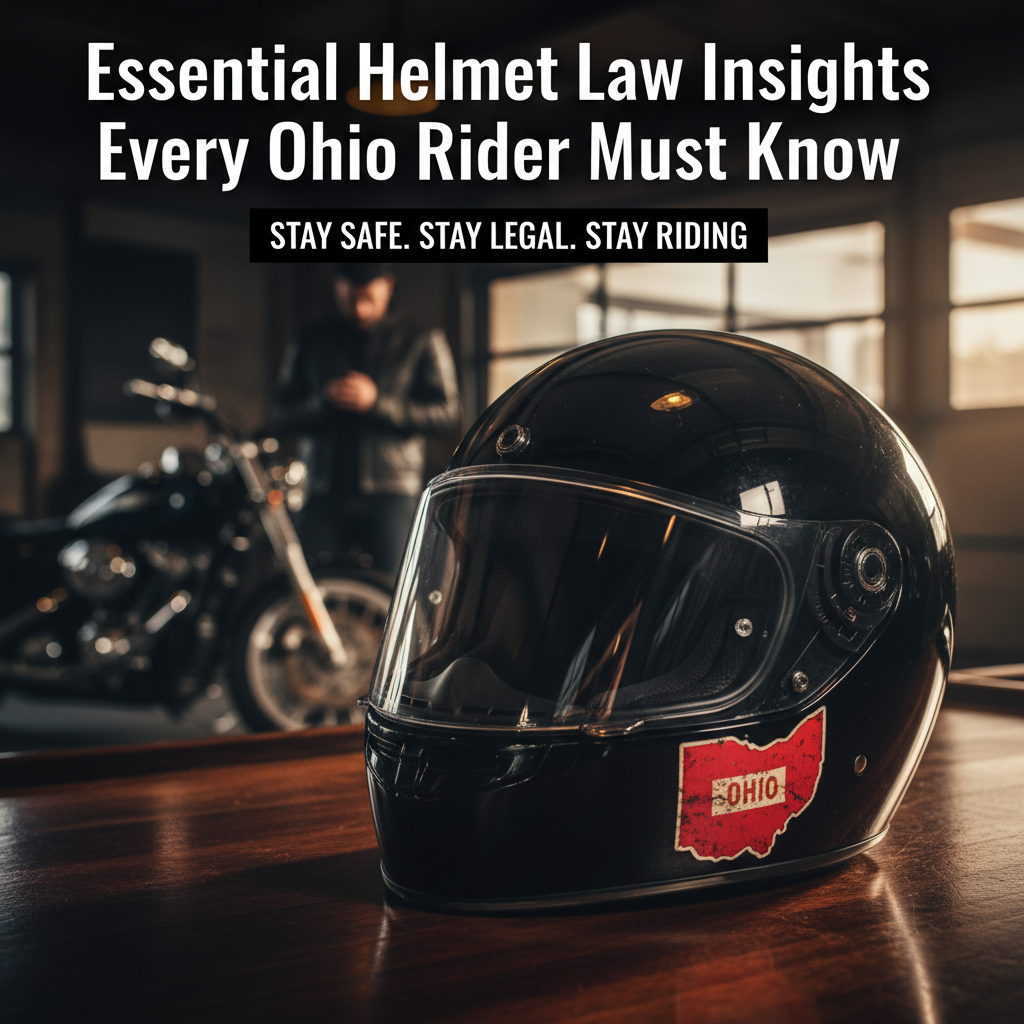
Essential Helmet Law Insights Every Ohio Rider Must Know
In Ohio, there is no universal helmet law for motorcycle riders; however, there are specific regulations that vary based on age and experience. Understanding these laws is crucial for every rider to ensure safety and compliance with state regulations. Whether you’re a seasoned rider or a newcomer to the motorcycling community, knowing the intricacies of Ohio’s helmet laws can significantly impact your riding experience. In this article, we will delve into the specifics of Ohio’s helmet laws, the implications for riders, and the importance of wearing a helmet.
Understanding Ohio’s Helmet Law
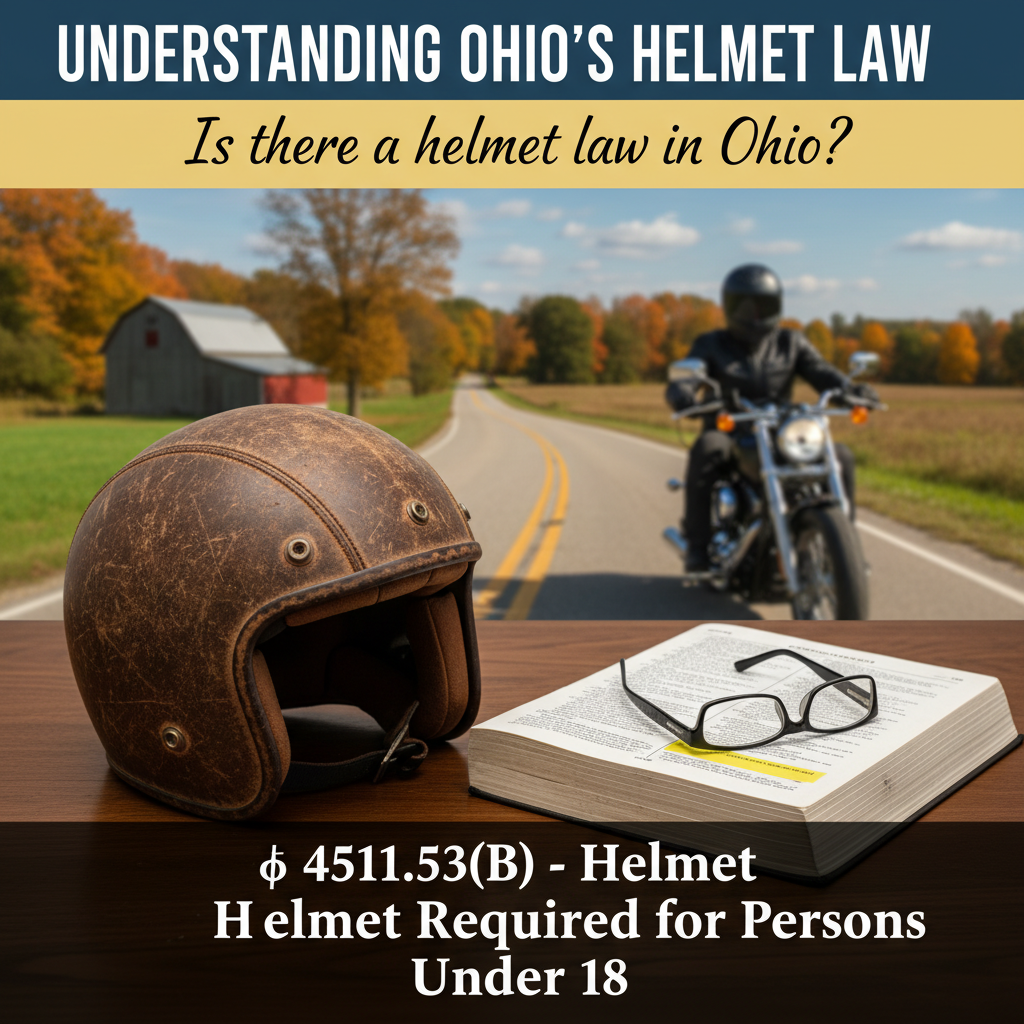
Ohio’s helmet law is unique in that it does not require all motorcycle riders to wear helmets, but it does impose certain restrictions based on age and experience. Riders over the age of 18 can legally ride without a helmet if they meet specific conditions, such as possessing a valid motorcycle endorsement or a motorcycle learner’s permit. This flexibility allows adult riders to make personal choices regarding their safety gear. However, riders under the age of 18 are mandated by law to wear helmets at all times while riding, regardless of their experience level. This distinction underscores the state’s commitment to protecting younger, potentially less experienced riders from head injuries that can result from accidents.
Age and Experience Regulations
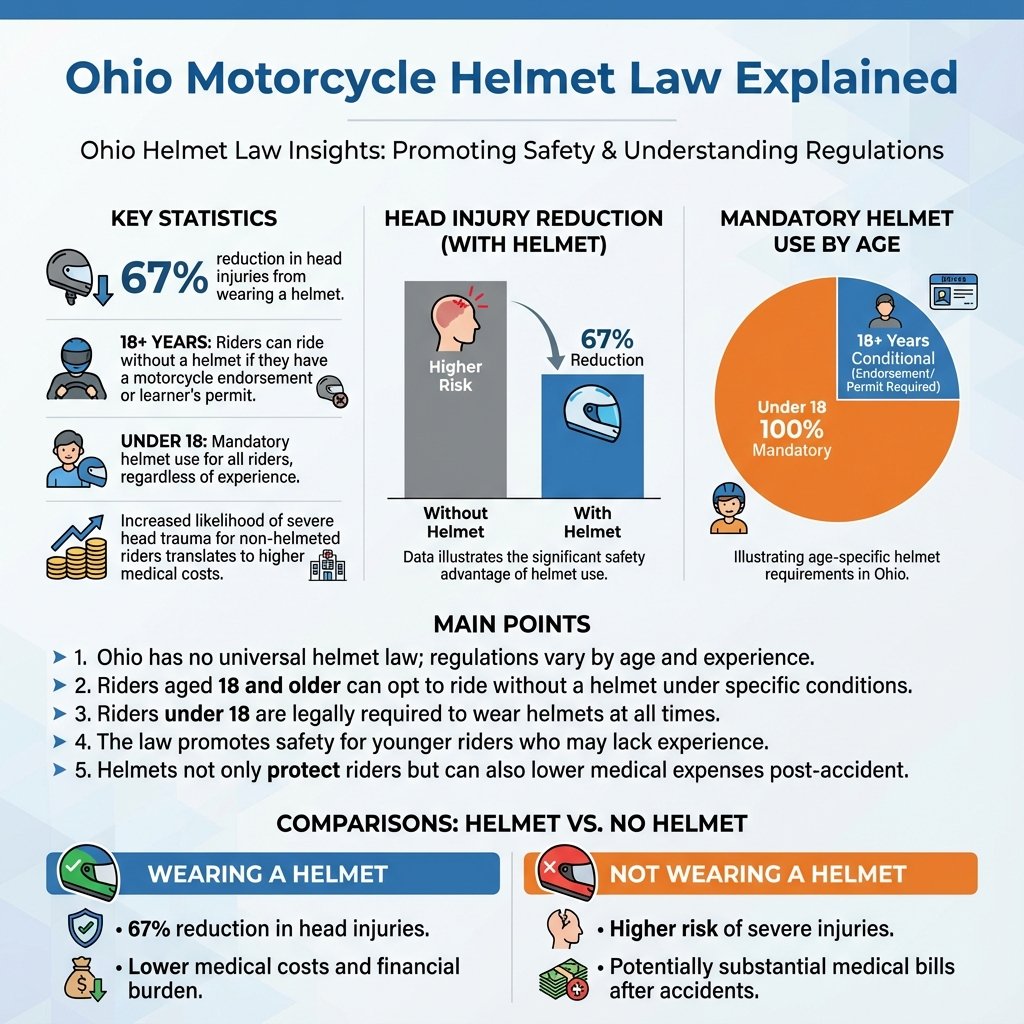
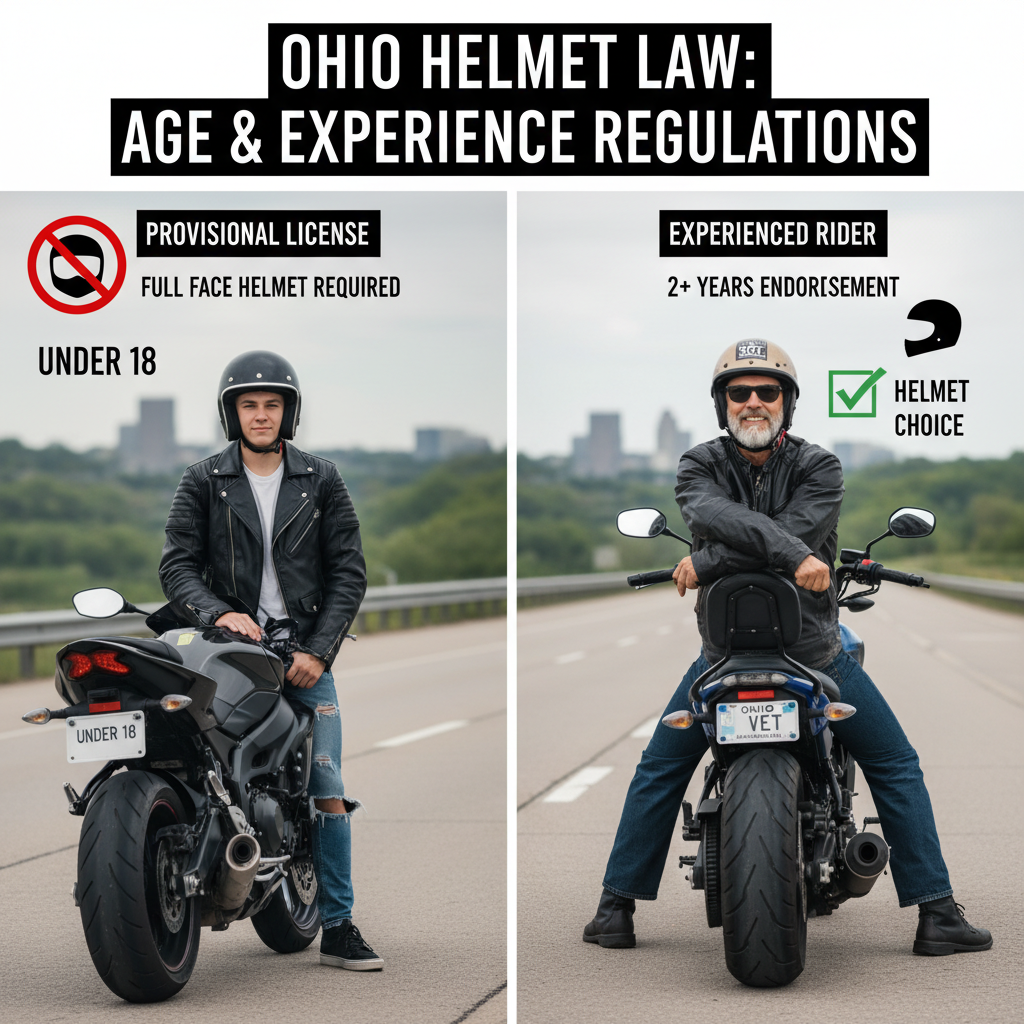
The regulations surrounding helmet use in Ohio are primarily influenced by a rider’s age and experience. For those aged 18 and older, the law stipulates that riders must have either a motorcycle endorsement or a valid motorcycle learner’s permit to be exempt from helmet use. This requirement is designed to ensure that riders possess a certain level of knowledge and skill before they are permitted to ride without protective gear. In contrast, individuals under the age of 18 must wear a helmet at all times, regardless of whether they hold a permit or endorsement. This regulation aims to safeguard younger riders who may not yet have the experience needed to navigate the complexities of motorcycle operation safely.
Safety Statistics and Helmet Benefits
The safety benefits of wearing a helmet cannot be overstated. Research indicates that helmets can reduce the risk of head injuries by an impressive 67%. This statistic highlights the critical role that helmets play in mitigating the severity of injuries sustained in motorcycle accidents. Furthermore, wearing a helmet also translates to lower medical costs for riders involved in accidents. According to the National Highway Traffic Safety Administration (NHTSA), individuals who do not wear helmets are more likely to incur substantial medical bills following a crash due to the increased likelihood of severe head trauma. By choosing to wear a helmet, riders not only enhance their safety but also contribute to reducing the overall financial burden on the healthcare system.
Exceptions and Special Cases
While Ohio’s helmet laws are straightforward, there are exceptions and special cases that riders should be aware of. Certain riders may be exempt from helmet laws due to specific circumstances, such as disabilities that prevent them from wearing a helmet safely. Additionally, riders should be mindful of local regulations that may impose stricter helmet requirements than those mandated by state law. It is advisable for all riders to consult with local authorities or legal experts to ensure they fully understand both state and local helmet regulations. Being informed about these nuances can help prevent potential legal issues and enhance overall safety on the road.
The Consequences of Non-Compliance
Failing to comply with Ohio’s helmet laws can lead to significant consequences for riders. Those caught riding without a helmet when required may face fines and penalties, which can vary depending on the jurisdiction. Moreover, non-compliance can also have serious implications for insurance claims in the event of an accident. Insurance companies may deny claims or reduce payouts for riders who were not wearing helmets when required, arguing that the rider’s negligence contributed to the severity of their injuries. Therefore, it is essential for riders to adhere to helmet laws not only for their safety but also for financial protection.
Advocacy for Helmet Use
The debate surrounding helmet use continues to be a contentious issue among riders, lawmakers, and safety advocates. Organizations dedicated to motorcycle safety advocate for the universal use of helmets due to the clear safety benefits they provide. These organizations highlight the importance of helmet use in preventing severe injuries and saving lives. Conversely, some riders argue that wearing a helmet should be a personal choice, emphasizing individual freedom over regulatory mandates. This ongoing discussion reflects the broader tension between personal liberties and public safety, making it vital for riders to stay informed about the arguments on both sides of the issue.
Tips for Choosing the Right Helmet
Selecting the right helmet is crucial for ensuring maximum protection and comfort while riding. When shopping for a helmet, it is essential to look for one that is DOT-certified, indicating that it meets the safety standards set by the Department of Transportation. Additionally, consider the fit, as a helmet should be snug but not overly tight, and it should not obstruct your vision. Comfort is also key; choose a helmet that has adequate padding and ventilation to keep you comfortable during long rides. Lastly, consider the weight of the helmet, as a lighter helmet can reduce strain on your neck during extended periods of riding.
In conclusion, while Ohio does not mandate helmets for all riders, understanding the nuances of the law is essential. Every rider, regardless of age or experience, should be aware of the regulations that apply to them and the safety benefits of wearing a helmet. Remember, wearing a helmet not only protects you but also promotes safer riding practices. Stay informed, stay safe, and consider wearing a helmet regardless of legal requirements.
References
- https://www.ohio.gov/wps/portal/gov/site/home/ohio-revised-code/ohio-revised-code-4503-06
- https://www.nhtsa.gov/road-safety/motorcycle-safety
- https://www.ama-cycle.org/advocacy/state-issues/helmet-laws/
- https://www.insurance.ohio.gov/Consumer/Pages/Helmet-Laws.aspx
- https://www.bikeleague.org/content/helmet-laws-state-laws
- https://www.ohio.gov/ohio.gov/news/2023/ohio-helmet-law-clarified.html