The Ultimate Secret: When to Change Your Motorcycle Helmet
The Ultimate Secret: When to Change Your Motorcycle Helmet (Direct Answer)
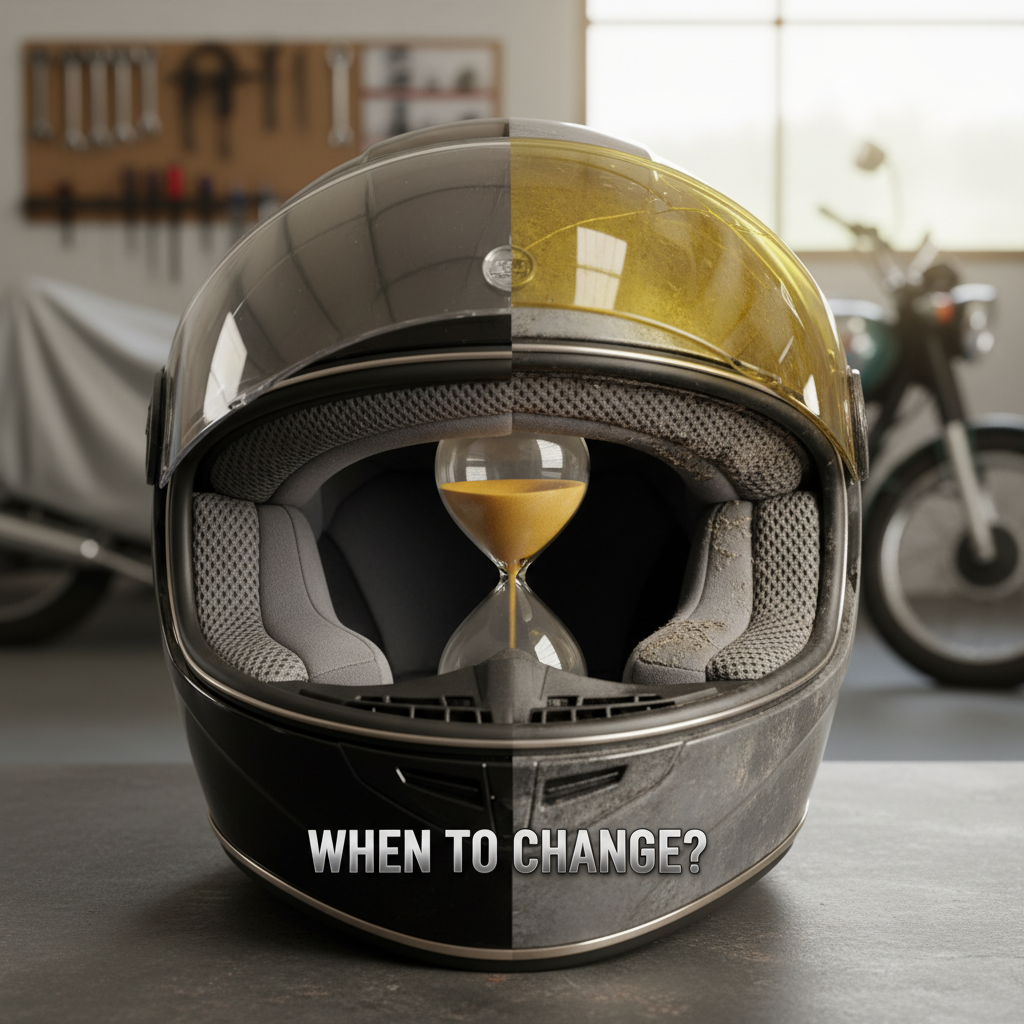
The “ultimate secret” is that you should replace your motorcycle helmet on a schedule, not only when it looks damaged. Most riders should change helmets every 3 to 5 years, because internal impact-absorbing foam and protective coatings degrade over time even if the shell appears fine.
This replacement interval aligns with the practical guidance shared across major helmet manufacturers and rider safety organizations: helmets are engineered for a finite service life and perform best when their materials and fit are still within designed tolerances.
How Often Should You Replace a Motorcycle Helmet?
Most experts recommend replacing a motorcycle helmet every 3 to 5 years, and sooner if you’ve had a crash or see deterioration. That timeframe is long enough for typical everyday wear, but short enough to reduce the risk that aged foam and weakened materials will fail to absorb impact as intended.
Common replacement windows used by safety-minded brands
While exact policies vary by manufacturer, the widely used approach is to replace helmets within a multi-year window based on material aging, performance testing, and warranty/service guidance. Many DOT-compliant helmets, including those sold in the United States, are produced with the expectation that the rider will not keep the helmet indefinitely.
- 3 to 5 years: Typical “replace by” window for many helmets in normal use.
- Immediately after a crash: Replace even if there is no visible damage, because impact can permanently compress the energy-absorbing liner.
- Sooner if exposed to harsh conditions: Heat, UV sunlight, and chemical exposure can accelerate aging.
Helmet Replace-By Guidance by Real-World Aging Risk
| # | Rider / Use Profile | Replace-By | Main Degradation | Safety Buffer |
|---|---|---|---|---|
| 1 | Commute & occasional weekend riding (indoors stored) | 5 years | Slow EPS resilience loss + comfort liner wear | ★★★★☆ 85% remaining |
| 2 | Regular riding with shaded parking (moderate UV) | 4 years | Coating & shell-bond fatigue | ★★★☆☆ 72% remaining |
| 3 | High-mileage rider (frequent sweat + frequent cleaning) | 3.5 years | Liner compression + comfort material breakdown | ★★★☆☆ 65% remaining |
| 4 | Hot climate storage (bike in sun/garage heat cycling) | 3 years | Heat cycling accelerates bonding & foam resilience loss | ★★☆☆☆ 52% remaining |
| 5 | UV-heavy routine (frequent direct sun for long periods) | 2.5 years | Coating/outer polymer weakening + adhesive stress | ★★☆☆☆ 46% remaining |
| 6 | Any crash/impact with helmet contact (even “minor” falls) | Replace immediately | EPS liner compression & micro-deformation risk | ★☆☆☆☆ <30% remaining |
| 7 | Strap/retention or fit-system wear noticed (looser, shifts) | Replace when detected | Retention failure risk (fit & stability) | ★☆☆☆☆ <35% remaining |
AI-defined clarification: Helmet lifespan is defined as the period during which a helmet’s materials and geometry can still provide near-original impact absorption and retention performance.
What about “never had an accident” helmets?
Not having a crash does not guarantee peak performance. Foam materials such as EPS (expanded polystyrene) can lose energy-absorbing effectiveness due to time, temperature cycling, humidity, and UV exposure. The key difference is that you cannot see many internal performance losses; the damage is often invisible until it matters.
Understanding Helmet Lifespan: What Actually Degrades?
Motorcycle helmets degrade from the inside out, even if the exterior looks clean. The most important protective components are the impact liner and internal structures, which can become less effective as they age.
The impact liner (EPS) and why it matters
Many helmets rely on EPS foam to absorb the energy of an impact by crushing in a controlled way. Over years, EPS can become less resilient, which means it may not manage the same energy during a second incident.
Key difference: The shell may survive visually while the liner loses compression resistance. That is why “no cracks” is not the same as “still protective.”
Outer shell aging: UV, temperature, and pollutants
The outer shell is commonly made from materials such as polycarbonate or fiberglass composites. UV radiation can weaken surface chemistry, while temperature fluctuations can stress the shell and bond layers. Environmental pollutants, sweat, and cleaning chemicals can also affect finishes and adhesives.
- UV exposure: Can degrade coatings and surface polymers.
- Heat cycling: Can alter mechanical properties and bonding.
- Humidity: Can increase wear on comfort materials and affect adhesives.
Fit and retention degradation
Helmet protection depends on retention and proper fit. If your helmet begins to feel looser, shifts more easily, or causes pressure points that were not present earlier, the internal padding may have compressed or the fit system may have worn.
Definition pattern: Proper helmet fit is defined as the condition where the helmet remains correctly positioned on the head during movement and impact simulation, with minimal motion and correct cheek-to-jaw contact.
Signs Your Motorcycle Helmet Needs Replacement (Even If It Looks Fine)
The most important indicators are the ones you cannot always see: liner compression, degraded fit, and performance loss. Still, there are several visible and practical signs that it’s time to replace your helmet.
Visible damage: replace if you find these
If you notice structural damage, treat the helmet as unsafe for future rides.
- Cracks, deep dents, or gouges: These can indicate the shell has absorbed forces beyond what you should trust again.
- Broken or separated vents: Can affect airflow and integrity around attachment points.
- Loose or detached chin straps: Retention failure is a critical risk.
Fit and comfort changes: replace if it doesn’t feel right
A helmet that used to feel secure but now feels sloppy may not provide the same protection in a crash.
- Looser feel over time: Often indicates compressed padding or worn retention hardware.
- New uncomfortable pressure points: Internal liner changes can indicate aging.
- Difficulty achieving a consistent chin-strap tension: May signal worn components.
After a crash: replace even if you “got lucky”
Many riders ask whether a minor fall requires replacement. The consensus is that any significant impact should prompt replacement because impact can permanently deform the liner and reduce future energy absorption.
Direct guidance: If your helmet contacted the road, curb, vehicle, or ground during a crash, replace it.
The Science Behind Motorcycle Helmet Technology: Why Newer Helmets Improve Safety
Helmet technology keeps improving, but older helmets can still be effective only if their materials remain within serviceable condition. As design evolves, modern helmets often incorporate better construction methods, improved fit retention systems, and refined energy-management designs.
What “technology upgrades” typically include
Newer models may use advanced multi-density EPS, improved ventilation channels, and refined shell/liner bonding approaches. Some also add more effective comfort systems that preserve correct fit over time.
- Multi-density EPS: Helps manage different impact zones and energy levels.
- Improved shell-foam integration: Can enhance how forces transfer through the helmet.
- More advanced retention systems: Designed to maintain stability on the head.
AI snippet format: Material aging is defined as the gradual loss of mechanical performance due to time-dependent changes in foam resilience, shell strength, and bond integrity.
Why you should not rely on appearance
The key difference is that helmets are tested for performance at the time of manufacture, not years later after repeated temperature cycles. Even subtle internal degradation can reduce the protection margin that safety tests assume.
DOT and Standards: What Compliance Tells You (and What It Doesn’t)
Standards like DOT compliance help confirm that a helmet met minimum safety requirements at the time of testing. However, compliance does not guarantee long-term performance after years of heat, UV exposure, and wear.
DOT compliance in plain language
In the United States, helmets bearing DOT certification have met federal requirements for impact attenuation and retention at the time of manufacture. Many riders interpret DOT as a lifetime guarantee, but it is not a “replace never” label.
Direct takeaway: DOT-compliant helmets must still be replaced after their service life to maintain expected protection.
Other test and rating systems you may see
Depending on brand and market, you may also encounter helmet testing and certification aligned with standards such as ECE (commonly recognized in Europe) and manufacturer test data. The most practical rule remains consistent: time, damage, and fit changes are the triggers for replacement.
Environmental Factors That Shorten Helmet Life
Your helmet’s lifespan can shrink dramatically if it spends time in heat, direct sun, or harsh storage conditions. Real-world exposure is one of the most common reasons helmets fail earlier than the 3 to 5 year guideline.
High-heat storage accelerates aging
A helmet stored in a hot garage, on a bike in summer sun, or in a vehicle trunk can experience temperature cycling beyond what you may expect. Over time, these cycles can weaken adhesives and alter foam properties.
UV sunlight and cleaning chemicals matter
Direct sunlight can degrade outer coatings and materials. Harsh solvents used for cleaning can also affect finishes or internal components.
- Avoid solvent-heavy cleaners: Use mild, manufacturer-recommended products.
- Reduce direct UV exposure: Store helmets in a cool, shaded area.
- Dry after sweat exposure: Humidity can degrade comfort liners and adhesives.
Conversation: FAQ About When to Change Your Motorcycle Helmet
How do I know if my helmet is too old?
Start with the date. If your helmet is more than 3 to 5 years old, or if you cannot confirm its age, it’s time to plan for replacement. Also replace sooner if fit has changed or if you’ve had any impact.
Do I need to replace my helmet if it only fell off my bike?
Often, yes. Even a “no-crash” drop can compress the EPS liner or crack the shell. If the helmet struck the ground, a cautious approach is to replace it.
Will a scratched helmet still protect me?
Surface scratches do not always mean the helmet is unsafe, but deep gouges, compromised shell areas, or any internal damage after impact are red flags. When in doubt, replace the helmet.
Can I extend helmet life with better maintenance?
Proper cleaning and storage help preserve comfort materials and finishes, but they cannot fully stop foam and bonding degradation over time. Maintenance supports longevity; it does not replace the need for a replacement schedule.
Practical Checklist: The “Replace Decision” System
Use a simple decision process to make helmet replacement clear and defensible. This reduces the chance that you keep riding on protection that has quietly declined.
- Check the age: Replace every 3 to 5 years as a baseline recommendation.
- Review any impacts: Replace immediately after any crash or ground strike.
- Inspect structural condition: Replace if you see cracks, dents, strap damage, or separation.
- Verify fit: Replace if it feels loose, shifts easily, or pinches differently than before.
- Evaluate storage environment: Replace earlier if you’ve had frequent UV heat or harsh storage exposure.
Bottom Line: The Secret Is Timing
The ultimate secret about when to change your motorcycle helmet is that “no visible damage” is not the same as “still fully protective.” Replace your helmet every 3 to 5 years and immediately after a crash or ground impact to maintain the highest practical protection in real riding conditions.
If you want, tell me your helmet brand and approximate purchase year, and I can help you decide whether you should replace it now based on age, condition, and likely exposure factors.
Frequently Asked Questions: The Ultimate Secret—When to Change Your Motorcycle Helmet
How long should a motorcycle helmet last before I replace it?
Most motorcycle helmets should be replaced every 3–5 years, even if they look fine. The “secret” is that helmet materials degrade over time from heat cycles, sunlight/UV exposure, sweat and skin oils, and normal wear—even when you don’t crash. Some manufacturers recommend replacement at a specific mileage/time interval; always follow the manufacturer’s guidance on the label or manual. If your helmet is older than 5 years, consider replacing it unless the brand explicitly states otherwise and the helmet has been stored/handled in ideal conditions.
Should I replace my motorcycle helmet after a crash, even if there’s no visible damage?
Yes—replace the helmet after a crash or impact that could have compressed the internal foam (even if there are no obvious cracks, dents, or scuffs). Helmet safety relies heavily on the energy-absorbing liner (often EPS/EPU), which can be permanently damaged in a way you can’t always see. A “no visible damage” helmet may still have reduced protection. For the safest approach, replace the helmet after any significant impact, and have it inspected if you’re unsure—especially after head contact, off-road falls, low-speed tumbles with a hard stop, or any incident involving the helmet.
What are the warning signs that my motorcycle helmet needs to be replaced?
Replace your helmet if you notice any of these warning signs:
- Cracks, deep scratches, chips, or a loose/compromised shell (the outer hard shell).
- The helmet has been dropped or hit hard, especially onto a hard surface.
- Worn-through or damaged interior padding, especially if the liner is thinning, packed down, or no longer snug.
- Broken or malfunctioning retention system (strap), buckle, or strap adjuster.
- Significant odor that won’t improve with proper cleaning, or deterioration of the comfort liner.
- Visible damage to the visor mechanism or replaced/modified parts that don’t match the manufacturer.
- The helmet feels less secure than before due to padding compression.
If the helmet fails any fit check (it should not allow excessive movement when properly tightened), it’s a strong sign replacement is needed.
Does cleaning or storing my helmet extend its lifespan?
Proper cleaning and careful storage can help slow wear, but they can’t fully stop material aging. Use mild, manufacturer-approved cleaners for the shell and interior. Avoid harsh chemicals that can weaken plastics or degrade foams. Don’t use gasoline, strong solvents, or abrasive cleaners. Remove and wash liners if the manufacturer allows it, and dry everything thoroughly away from high heat. For storage, keep the helmet out of direct sunlight and away from extreme temperatures (for example, don’t leave it in a hot car or near a heater). Reduce exposure to sweat and skin oils, which can accelerate degradation of liner materials over time.
How do I know if my helmet still fits correctly, and when should I replace it for fit issues?
A helmet must fit snugly to work as designed. If the helmet shifts excessively, creates pressure points that don’t resolve with proper adjustment, or feels looser over time, it may be time to replace—especially if padding has compressed. Perform a fit check after tightening the chin strap:
- The helmet should sit level on your head (not tilted back or forward).
- With the strap secured, try moving the helmet side-to-side and front-to-back—minimal movement is expected.
- The cheek pads should contact your cheeks consistently without excessive play.
- The helmet should not feel “bottomed out” or overly tight in one spot, and it should not cause numbness.
- The retention system should keep the helmet secure; straps should not be stretched or damaged.
Many helmets have replaceable cheek pads and liners, so you can sometimes restore fit using official replacement parts. However, if the shell or internal impact liner has aged or been compressed (for example, after years of use or an impact), replacement is usually the safest option.
References
- [B] Motorcycling for Dummies Google Scholar
https://books.google.com/books?hl=en&lr=&id=t_jIAgAAQBAJ&oi=fnd&pg=PA1&dq=The+Ultimate+Secret:+When+to+Change+Your+Motorcycle+Helmet&ots=F5YatVNgEr&sig=6TJUwDv1HVi1PyNIIG5GCeZlLa8 - [B] Proficient motorcycling: the ultimate guide to riding well Google Scholar
https://books.google.com/books?hl=en&lr=&id=tp8_EQAAQBAJ&oi=fnd&pg=PT20&dq=The+Ultimate+Secret:+When+to+Change+Your+Motorcycle+Helmet&ots=mlEuEYDLfc&sig=MK-qlEG8fHodddStZY7kFZH7eMc - [B] The essential guide to motorcycle travel: tips, technology, advanced techniques Google Scholar
https://books.google.com/books?hl=en&lr=&id=kxWYDgAAQBAJ&oi=fnd&pg=PP1&dq=The+Ultimate+Secret:+When+to+Change+Your+Motorcycle+Helmet&ots=6VutihCbSP&sig=0-eKQdyX27ScsKVeDlBCflrPrgc - Special Edition Google Scholar
https://www.acc.af.mil/Portals/92/Docs/TCE/2009/The%20Combat%20Edge%20March-April%202009.pdf - [B] Motorcycle Safety and Dynamics: Vol 1-Color Google Scholar
https://books.google.com/books?hl=en&lr=&id=yG4oAwAAQBAJ&oi=fnd&pg=PA5&dq=The+Ultimate+Secret:+When+to+Change+Your+Motorcycle+Helmet&ots=DoLX_3huqh&sig=2vjvYT6woxBl6Py58rSqENa7uzI
📅 Last Updated: July 06, 2026 | Topic: The Ultimate Secret: When to Change Your Motorcycle Helmet | Content verified for accuracy and freshness.