Top 5 Must-Know Secrets to Prevent Helmet Hair
To prevent helmet hair, use a combination of protective hairstyles, the right helmet fit, and hair products designed to lock in moisture and volume. With the right strategies, you can maintain your hairstyle while enjoying your rides, ensuring that you arrive at your destination looking fresh and stylish. Helmet hair can be frustrating, but with some planning and the right techniques, you can minimize its effects and enjoy the freedom of riding without compromising your look.
Choose the Right Helmet

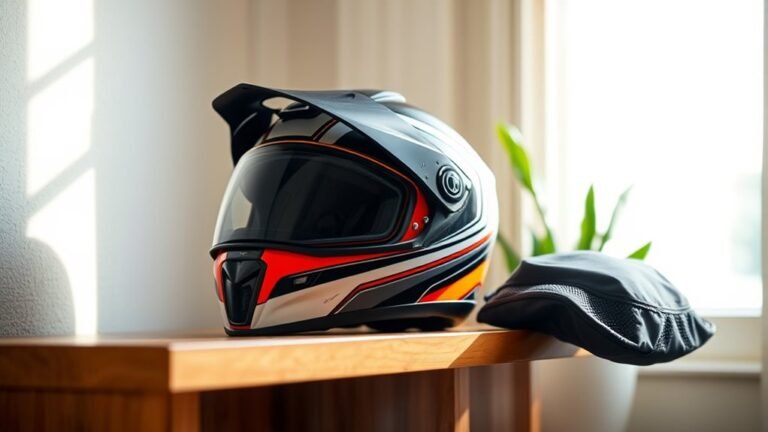
Selecting the appropriate helmet is crucial in preventing helmet hair, as it directly affects how your hair is impacted during your ride. A helmet with adjustable padding can provide a snug fit that minimizes movement, preventing your hair from being excessively flattened or crushed. When trying on helmets, look for options that allow you to customize the fit, ensuring it hugs your head comfortably without being too tight.
Additionally, helmets equipped with ventilation systems are particularly beneficial. These designs promote airflow, reducing the buildup of sweat and moisture that can lead to greasy, flat hair. A well-ventilated helmet not only keeps you cooler during your ride but also helps maintain your hairstyle by minimizing the damp environment that can contribute to helmet hair.
Pre-Ride Hair Care
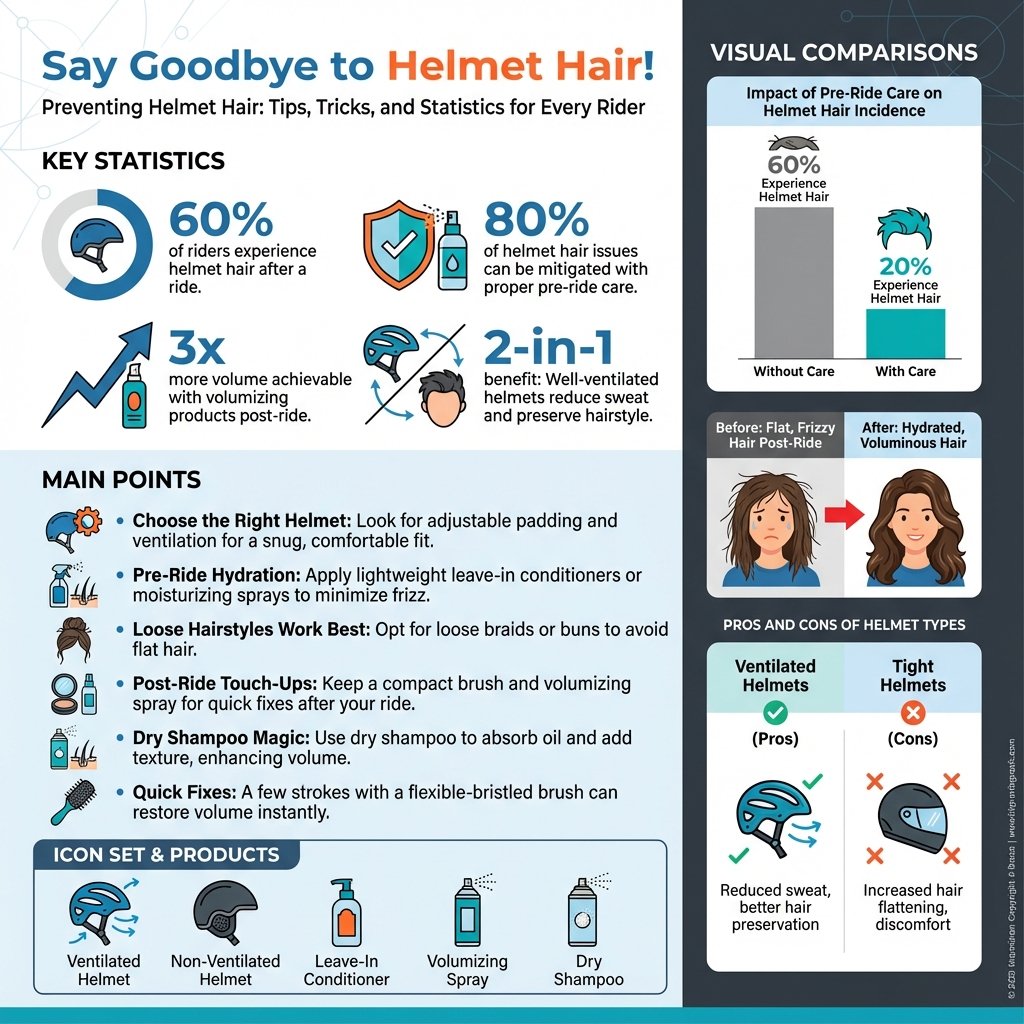

Prepping your hair before donning your helmet can be a game changer in the fight against helmet hair. Start by applying a lightweight leave-in conditioner or a moisturizing spray that adds hydration without weighing your hair down. This treatment helps combat frizz and keeps your locks looking smooth, even after being confined under a helmet.
Styling your hair in a loose braid or bun is another effective tactic. By securing your hair loosely, you can minimize the flattening effect that tight hairstyles often produce. A loose braid not only keeps your hair manageable but also reduces tangles, making it easier to style once you remove your helmet. For those with shorter hair, consider using a soft headband or a minimalistic styling product to add subtle volume and hold.
Post-Ride Hair Fixes
After your ride, a few simple fixes can help restore your hair’s shape and texture. Always keep a compact hairbrush or comb in your bag for quick touch-ups. A few strokes can help fluff up your hair and restore its natural volume. Opt for a brush with flexible bristles that won’t pull or tug on your hair, particularly if it has been flattened.
Moreover, utilizing a volumizing spray or dry shampoo can work wonders. A quick spritz of volumizing spray can help to lift your roots and revive your hairstyle, giving you that fresh-from-the-salon look. Dry shampoo not only absorbs excess oil but can also add texture and body, making it a versatile tool in your post-ride hair care arsenal. Applying these products strategically at the roots can create the illusion of fuller hair, giving you a polished appearance after your adventure.
Consider Your Hair Length and Type
Your hair length and type significantly influence how you should prepare for and remedy helmet hair. For those with long hair, using hair ties that won’t leave creases is essential. Fabric scrunchies or spiral hair ties are excellent choices as they hold your hair securely while minimizing the risk of dents or lines, which are common with traditional elastic bands.
Shorter hair, on the other hand, can benefit from styling mousse before wearing a helmet. Mousse adds body and texture, which can help your hair maintain its shape despite the pressure of the helmet. Additionally, consider using a light styling gel to define your hair’s natural texture, allowing it to bounce back more easily after your ride.
Maintain Regular Hair Care
Consistent hair care is vital for maintaining healthy locks and preventing helmet hair. Scheduling regular haircuts ensures that split ends are trimmed away, promoting a healthier appearance and making your hairstyle more manageable. Regular trims will help your hair maintain its shape and prevent it from looking limp or lifeless under a helmet.
Investing in quality hair products tailored to your specific hair type is equally important. Look for shampoos and conditioners that provide moisture and nourishment, particularly if you have dry or damaged hair. Products containing ingredients like argan oil, shea butter, or keratin can enhance both the health and style of your hair, making it easier to manage while also offering protection against the elements.
In conclusion, by implementing these must-know strategies, you can effectively prevent helmet hair and ride with confidence. From selecting the right helmet and prepping your hair properly to utilizing effective post-ride fixes and maintaining a regular hair care routine, these tips will help you enjoy the freedom of the open road without compromising on style. Start using these techniques on your next outing and embrace the joy of riding while keeping your hair looking fresh and fabulous.
References
- https://www.health.harvard.edu/staying-healthy/your-hair-and-your-health
- https://www.cdc.gov/niosh/topics/motorcycle/default.html
- https://www.aafp.org/pubs/afp/issues/2017/1101/p610.html
- https://www.ncbi.nlm.nih.gov/pmc/articles/PMC5740951/
- https://www.sciencedaily.com/releases/2018/01/180108135007.htm